
 By adnanshabbir942@gmail.com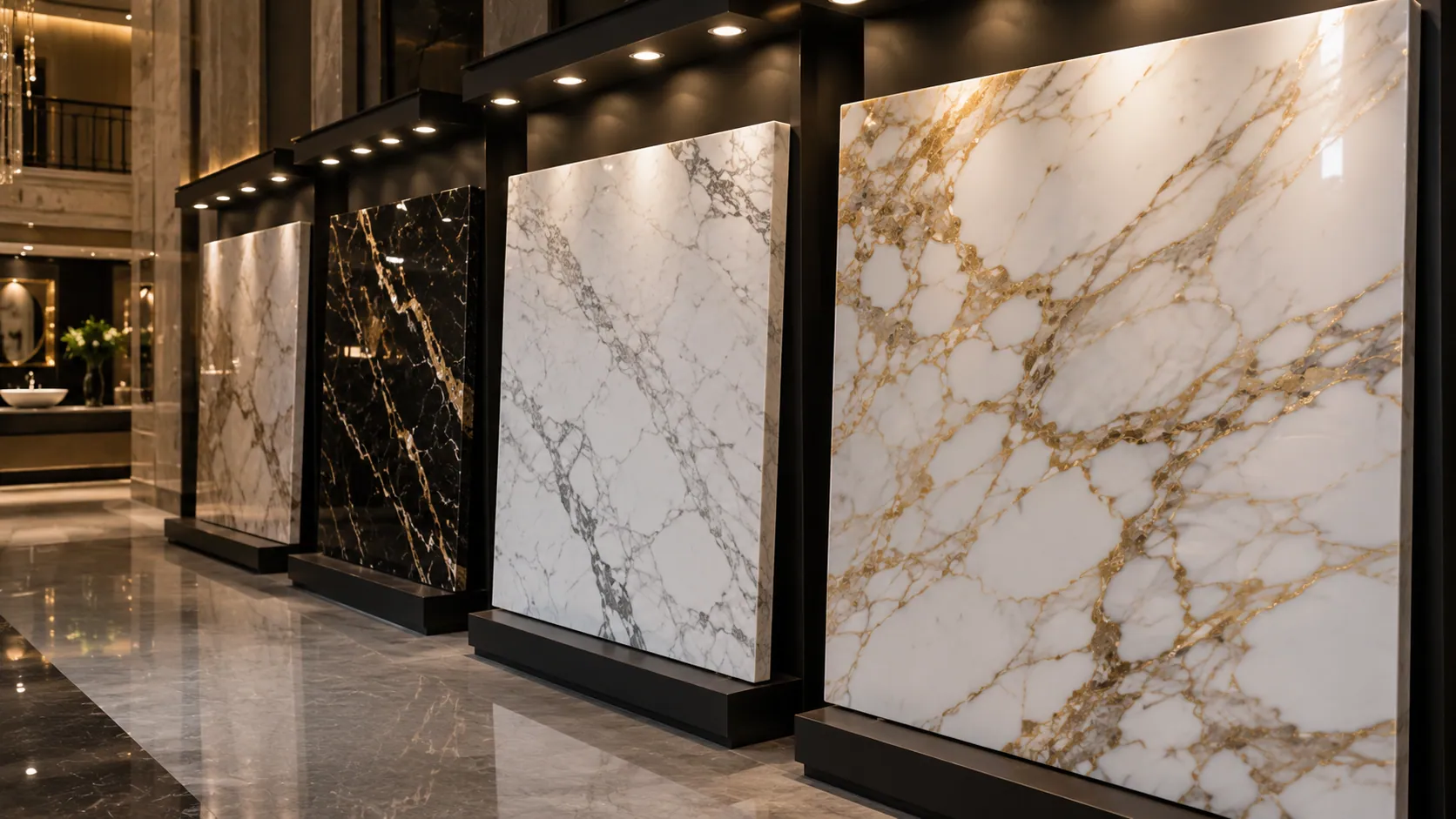
Most expensive marble in the world is a phrase that instantly brings to mind luxury, prestige, and the kind of natural stone used in royal palaces, five-star hotels, and unforgettable high-end interiors. But the answer is not as simple as naming one slab and ending the conversation. In real-world design and construction, the title often goes to elite stones such as Calacatta Marble, Calacatta Gold Marble, White Statuario Marble, and in some niche cases Portoro Marble, depending on quarry rarity, distinctive veining, purity, origin, and overall slab quality.
That is exactly why so many people search for which marble is the most expensive in the world, what makes marble valuable, and why rare marble is so expensive. They are not only looking for a famous name. They also want to know whether that stone is actually worth the price, where it comes from, how much it costs per square meter, and whether it works best for countertops, flooring, walls, stairs, or bathrooms. If you are trying to understand the world’s most luxurious marble, this guide breaks it down clearly and practically.
What Is the Most Expensive Marble in the World?
If you want the shortest honest answer, high-grade Calacatta Marble is often considered the most expensive marble in the world, with White Statuario Marble close behind. In some luxury markets, Calacatta Gold Marble and Calacatta Borghini Marble are treated as the ultimate symbols of exclusivity because of their white background, gold veining, and restricted quarry output from Italy, especially around the Carrara and Tuscany region.
Still, the phrase most valuable marble in the world can also apply to stones like Portoro Marble, known for its dramatic black background and rich gold veins, or rare specialty stones such as Thassos Marble, Arabescato Marble, and certain low-yield premium slabs that are available only in a few blocks per year. So the real answer depends on what you mean by “expensive.” Are you talking about raw slab price, installed marble cost, rarity of the quarry, luxury demand, or the market value of a nearly flawless, large-format slab?
That is why the best way to answer what’s the most expensive marble in the world is this: Calacatta usually leads the conversation, Statuario is one of its strongest rivals, and the true winner depends on grade, source, pattern, finish, thickness, and demand.
Why Some Marble Costs So Much
Not all marble is created equal. Two slabs can look similar from a distance, yet one may cost several times more than the other. That difference usually comes down to a few important factors.
The first is rarity. Some marble comes from quarries with very limited production capacity. If a quarry produces only a small number of usable premium blocks each year, prices climb quickly. The second is visual character. Buyers pay more for slabs with a clean crystalline white background, balanced gray veining or gold veining, and bold but elegant natural movement. This is why premium Calacatta Gold Marble and Statuario Marble are so highly prized.
The third factor is purity and structure. A luxury slab must not only look beautiful, but also have strong internal quality with fewer flaws, fewer visible repairs, and better fabrication potential. Then there is specialized processing. Large premium blocks are harder to extract, harder to transport, and harder to cut without breakage. Some quarries are located in difficult terrain, which increases extraction method costs, transport difficulty, and overall export expenses.
Finally, there is prestige. Marble with strong heritage from Italy, Greece, or famous historic quarry zones carries symbolic value. Some stones are linked to art, architecture, sculpture, and even the visual legacy of the Renaissance and Ancient Roman times. That history matters. A slab is not just stone. For many buyers, it is a status symbol, an investment in prestige, and a major design statement.
Top Premium Marble Types Ranked by Prestige and Typical Price
Below is a practical comparison of the most talked-about luxury stones in the market.
| Marble Type | Origin | Visual Traits | Typical Luxury Use | Why It’s Expensive |
|---|---|---|---|---|
| Calacatta Marble | Italy | White background, bold gold veining or gray movement | Countertops, statement walls, premium bathrooms | Rare quarry output, high demand, prestige |
| Statuario Marble | Italy | Bright white base, dramatic gray veins | Luxury kitchens, feature walls, sculptures | Strong rarity, premium visual contrast |
| Carrara Marble | Italy | Softer white-gray appearance, more common veining | Bathrooms, floors, walls, classic interiors | Prestige and heritage, though usually less rare |
| Portoro Marble | Italy | Deep black base with golden veins | Accent walls, high-end decorative panels | Very dramatic, highly exclusive look |
| Thassos Marble | Greece | Brilliant pure white appearance | Floors, bathrooms, elegant minimal interiors | Extreme whiteness and clean visual purity |
| Arabescato Marble | Italy | Artistic flowing gray veining | Statement surfaces and bookmatched walls | Distinctive pattern and designer appeal |
Calacatta Marble
Calacatta Marble is often the first name mentioned in any top 10 most expensive marble in the world discussion. It stands out for its luminous white base and luxurious veins that may appear in gray, taupe, or gold. The best slabs are rare, highly sought-after, and often used in elite interior projects. This stone is a favorite in luxury interiors, where buyers want obvious elegance the moment someone walks into the room.
Statuario Marble
If Calacatta Marble is the celebrity, Statuario Marble is the connoisseur’s choice. It is famous for its high-contrast beauty and refined, dramatic veining. Because supply is limited and strong slabs are hard to source, White Statuario Marble price can be extremely high. Many designers use it where they want a surface to feel both classic and exclusive.
Carrara Marble
Carrara Marble is one of the best-known Italian marble types in the world. It is deeply tied to the history of sculpture and architecture, including associations with Michelangelo and Michelangelo’s David. While it is prestigious, it is generally more available than top-grade Calacatta or Statuario. That means it is luxurious, but not always the single most expensive option.
Portoro Marble
Portoro Marble is one of the most visually dramatic stones in existence. Its rich black base and golden movement make it feel instantly exclusive. It may not always top general market lists, but for dramatic design impact, it belongs in any serious conversation about the most precious marble and most valuable marble types in the world.
Thassos Marble
Thassos Marble from Greece is loved for its bright, almost glowing white appearance. In highly minimalist spaces, that pure white look can feel incredibly expensive. For buyers who want a clean, refined aesthetic, Greek White Thassos Marble is a premium choice.
Arabescato and Other Rare Luxury Stones
Beyond the best-known names, stones such as Arabescato Marble, Belgian Black Marble, Sahara Noir Marble, Black Marquina Marble, and Blue Sodalite Slab serve the niche luxury market. These are not always the first answer to which marble is most expensive, but they can command exceptional prices when rarity, dramatic color, and design context align.
Calacatta vs Statuario vs Carrara: Which Is Really the Most Expensive?
This is one of the most important questions buyers ask, and it deserves a clear answer.
Carrara Marble is usually the most accessible of the three. It has a famous heritage and timeless beauty, but it is generally more available. Statuario Marble is rarer and often costs more because of its brighter white background and stronger, more dramatic vein structure. Calacatta Marble, especially high-end Calacatta Gold Marble or Calacatta Borghini Marble, often sits at the top because of its lower availability and bold luxury appeal.
So if you are asking which marble is rarer, Calacatta or Statuario, the answer depends on the exact quarry and slab quality. In many markets, Calacatta is perceived as more luxurious because of its bold pattern and association with premium kitchens and designer interiors. Statuario, however, can be just as exclusive and sometimes even more desirable in specialized design contexts.
The most practical takeaway is simple: Carrara gives you heritage and beauty, Statuario gives you striking elegance, and Calacatta often gives you the strongest overall luxury signal.
Where the World’s Most Valuable Marble Comes From
Origin matters a great deal in marble pricing. The most prestigious stones often come from Italy, especially the Carrara area in Tuscany. This region has produced some of the world’s most iconic marble for centuries, and its name alone adds value in the minds of architects, designers, and luxury homeowners.
But Italy is not the only source of premium stone. Greece is strongly associated with Thassos Marble and other elegant white stones. Egypt is known for materials such as Sunny Menia Marble, Galala Extra Marble, and Silvia Marble, which appear in export and flooring markets. India, especially Rajasthan and Kishangarh, is a major center for imported marble trade, processing, and distribution, with businesses like Bhandari Marble Group India building strong global visibility.
In other words, where the world’s most valuable marble comes from is not just a geographic question. It is also a question of quarry origin verification, market reputation, and the story attached to the stone.
Price Guide: How Much Does Expensive Marble Cost?
Luxury marble pricing varies enormously. You may see references like $70 to $700 per square-meter, $350 to $450 per square meter, $300 to $400 per square meter, or even Rs 500 to Rs 5000 depending on type, finish, location, and quality. That range is wide because the final price depends on much more than the stone name.
The marble slab price is only the beginning. Once you add cutting, edge work, finishing, polishing, sealing, shipping, waste allowance, and installation, the installed marble cost can rise quickly. A premium slab that looks affordable on paper can become a major investment once fabrication begins.
Another factor is slab size. Larger slabs, such as 2 meter × 1 meter and above, are often valued more highly because they allow cleaner design with fewer seams. Thickness matters too. Premium slabs are commonly available in 1.5 cm to 2 cm and 2 cm formats, and the selected thickness affects both cost and application.
So when people search Calacatta Gold marble price per square meter or Statuario marble price per square meter, they should remember one thing: the real cost of a marble project is not only about the slab. It is about the whole installation journey.
What Makes One Marble Slab More Expensive Than Another?
This is where real expertise matters. A marble type can be famous, but not every slab from that type is equally valuable.
A top-tier slab usually has a cleaner background, more balanced and attractive veining, better structure, and fewer visible repairs or imperfections. Slabs selected for bookmatched marble slabs can command even more attention because they create a mirror-image visual effect that feels custom and artistic. In elite homes and luxury hospitality projects, that detail alone can transform a wall or island into a centerpiece.
Finish also matters. Honed vs polished marble is not just a style choice. A polished surface emphasizes depth, reflection, and drama, while a honed finish feels softer and more understated. Depending on the design goal, one finish may carry stronger buyer appeal than the other.
So if you are wondering what makes one marble slab more expensive than another, the answer is a mix of aesthetic perfection, usable size, fabrication quality, finish, rarity, and the emotional reaction the slab creates when someone sees it.
Best Uses for Luxury Marble in Homes and Commercial Spaces
The most expensive stones are not always used everywhere. Smart designers place them where their beauty has the biggest visual impact.
For example, Calacatta Marble and Statuario Marble are excellent for kitchen islands, bathroom vanities, and statement walls. Portoro Marble works beautifully in decorative panels, dramatic powder rooms, and upscale hospitality areas. Thassos Marble is often chosen for bright, elegant bathrooms and serene floors that feel pure and refined.
In commercial design, these stones shine in hotel lobbies, corporate buildings, five-star hotels, and premium retail spaces. They are also common in stairs, wall cladding, and feature installations where luxury must be visible immediately.
The secret is not to use expensive marble everywhere. It is to use it where it creates the strongest emotional effect.
Is Expensive Marble Worth It?
For some buyers, absolutely yes. For others, not always.
If your priority is prestige, beauty, uniqueness, and timeless appeal, luxury marble can be worth every cent. It brings character that engineered surfaces often struggle to match. Natural veining, depth, and variation make each slab feel original. In the right setting, that can elevate property value, strengthen luxury branding, and add lasting design impact.
But expensive marble also asks for compromise. It can be more vulnerable to etching, stains and spills, and surface wear than alternatives like quartz or granite. It also requires more care, more budget, and more confidence in the selection process.
So is expensive marble worth it? Yes, if you value design presence, natural beauty, and material prestige. No, if your top priority is low maintenance and maximum practicality.
Marble vs Quartz vs Granite: Which Luxury Surface Gives the Best Value?
This is one of the biggest gaps competitors leave open. Marble wins on elegance, heritage, and soft natural movement. Quartz wins on consistency and easier maintenance. Granite usually wins on hardness and durability.
If you want a surface that feels artistic and luxurious, marble is hard to beat. If you want something with less maintenance anxiety, quartz may be the safer option. If you want high durability with natural variation, granite can be excellent.
For statement design, marble remains the benchmark. For busy family kitchens or high-traffic areas, buyers should carefully compare marble vs quartz, marble vs granite, and even marble vs porcelain before deciding. The best value depends on how the room will actually be used.
How to Maintain High-End Marble Without Damaging It
Luxury marble needs smart care, not panic. Regular cleaning marble with a pH-neutral cleaner, wiping spills quickly, and avoiding harsh chemicals goes a long way. The biggest rule is simple: avoid acidic substances such as vinegar, lemon, and aggressive bathroom cleaners because they can cause etching.
Most premium marble also benefits from sealing marble at the right interval, depending on the stone and the location. Kitchen surfaces usually need more attention than decorative wall panels. If you are wondering does marble stain easily or does marble etch, the honest answer is yes, it can. But proper maintenance greatly reduces the risk.
That is why luxury marble works best when owners understand both its beauty and its needs.
How to Identify Real Italian Marble and Avoid Overpaying
If you are spending serious money, authenticity matters. Buyers should ask for the quarry origin, slab photos, finish details, and clear product identification. A trusted supplier should be able to explain whether the stone is true Italian marble, a similar-looking alternative, or a lower-grade selection.
This matters because many buyers love the prestige of Calacatta Gold Marble, White Statuario Marble, or Italian Carrara Marble, but not every slab sold under those labels meets the same standard. Learning how to verify source, grade, and overall slab quality helps you avoid overpaying for stone that only looks premium in marketing photos.
FAQ: Common Questions About the Most Expensive Marble in the World
Is Calacatta more expensive than Carrara?
Usually, yes. Calacatta Marble is generally rarer and more luxurious in appearance than Carrara Marble, which tends to be more widely available.
Is Statuario rarer than Calacatta?
Sometimes, depending on the exact slab and quarry output. Both are elite materials, and high-grade examples of either can be extremely expensive.
What is the most expensive white marble?
In many luxury markets, the answer is Calacatta Gold Marble or top-grade White Statuario Marble.
Does marble color influence price?
Yes. Highly desirable combinations, such as a bright white base with elegant gold or gray veining, often command higher prices.
How often should premium marble be sealed?
It depends on use, finish, and stone type, but kitchen surfaces typically need more regular care than walls or low-contact areas.
Final Words: Which Marble Deserves the Title?
When people ask about the most expensive marble in the world, they usually want one simple answer. But the real answer is more interesting. In most luxury conversations, Calacatta Marble stands at the top, with Statuario Marble very close behind. Carrara Marble remains iconic, while stones like Portoro Marble and Thassos Marble dominate specific high-end niches.
So the best conclusion is this: the “winner” is usually the slab that combines rarity, origin, visual perfection, prestige, and the right use case. That is what turns a beautiful stone into a truly unforgettable one.
Disclaimer:
This article is for general informational and design guidance purposes only. Marble prices, quality, rarity, origin, availability, installation costs, and maintenance needs can vary by supplier, quarry, slab grade, location, and market demand. Always verify details with a trusted stone supplier, fabricator, or design professional before purchasing luxury marble.