
 By adnanshabbir942@gmail.com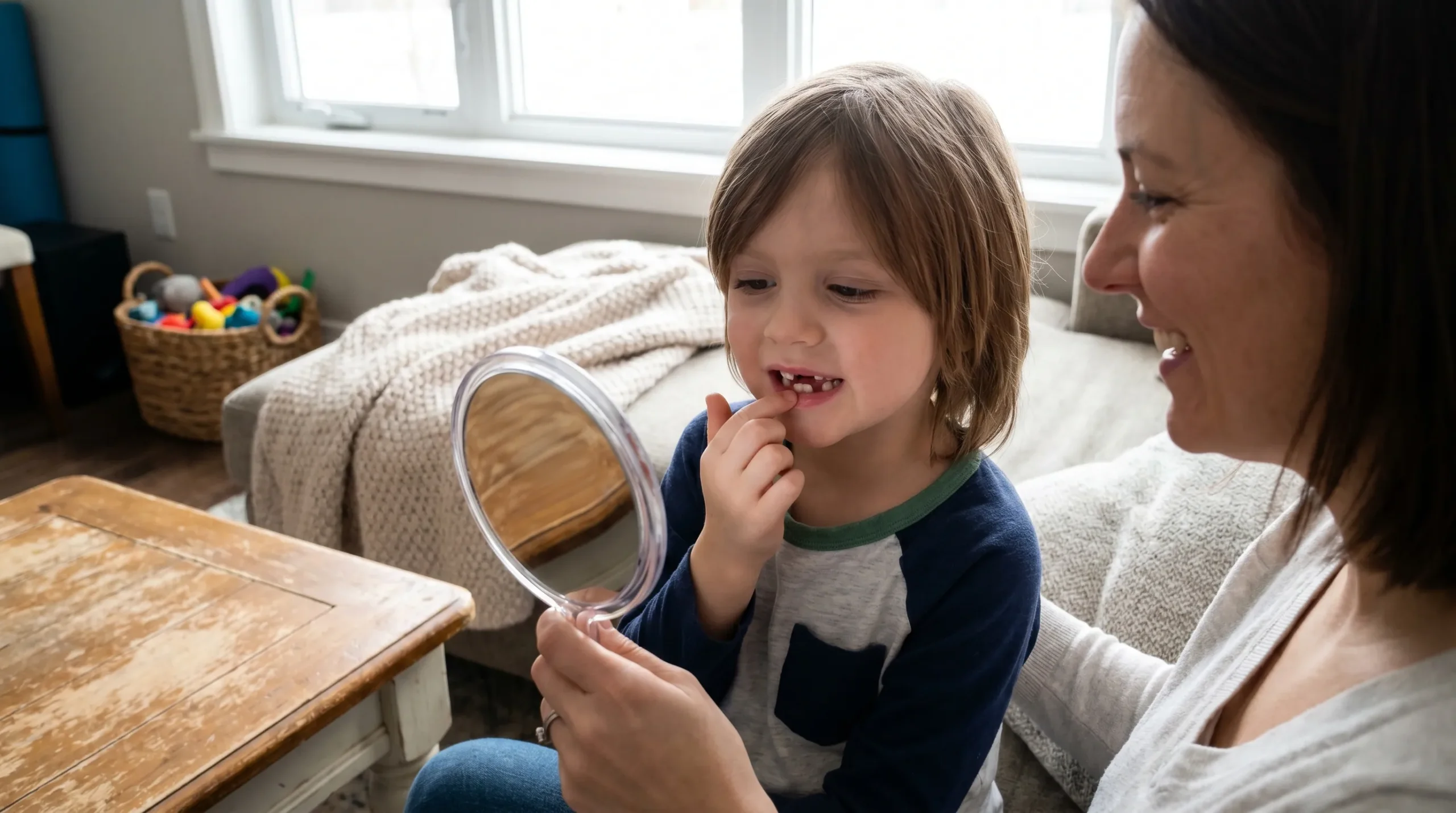
When do kids lose their first tooth is one of the most common questions parents ask when their child starts growing up fast. In most cases, kids lose their first baby tooth around age 6, although some children begin a little earlier and others a little later. The first teeth to loosen are usually the lower central incisors, followed by the upper central incisors. This stage is a normal part of children’s oral development, and while every child has a slightly different loose tooth timeline, there is a general pattern parents can follow.
For many families, the first lost tooth feels like a big milestone. It can be exciting, emotional, and sometimes a little stressful. A child may suddenly complain that a tooth feels funny, becomes visibly loose, or starts to wiggle while eating. Parents often wonder whether this is the right age, whether the tooth should be pulled, and what it means if an adult tooth starts coming in before the baby tooth falls out.
The good news is that normal tooth shedding usually happens naturally. A child’s primary teeth, also called baby teeth, milk teeth, or deciduous teeth, are meant to loosen and fall out to make room for adult teeth. Most children have 20 baby teeth, and over time these are replaced by permanent teeth. Understanding the timing, the order, and the signs of healthy tooth loss can make the whole process much easier for both kids and parents.
At What Age Do Kids Lose Their First Tooth?
The average age of tooth loss in children is usually around 5 or 6 years old, with age 6 often treated as the most typical starting point. That means if you are asking at what age do children start losing their baby teeth, the clearest answer is that many children begin around first grade, but a small amount of variation is still considered normal.
Some children lose a first tooth at 4 years old, while others do not begin until 7 years old. In many cases, this difference is related to when the child’s teeth first came in. If a child’s baby teeth erupted early, they may also start losing baby teeth early. If their teeth came in later, their tooth loss in children may also begin later. This is why parents should allow for a little wiggle room in the timeline.
A useful rule of thumb is that many kids begin to shed their teeth between 5–7 years, and the process continues until around age 12, with some of the last baby teeth falling out closer to by age 13. So if you are wondering, is it normal for a child to lose their first tooth after 7 years old, the answer depends on the child’s overall development, but mild delay is not automatically a problem.
What matters most is the bigger picture. If your child is healthy, has no pain, and their dentist is not concerned, a slightly early or slightly late first tooth is usually still within the normal range.
Which Baby Tooth Falls Out First?
Parents often ask which baby teeth fall out first or which teeth do kids lose first. In most children, the answer is the lower central incisors. These are the two small front teeth in the middle of the lower teeth. After that, the upper central incisors often follow.
This pattern makes sense because the first teeth that come in are often the first teeth to go out. In other words, the order of tooth eruption and the order of tooth loss often mirror each other. These early teeth are designed to hold space and help with biting until the permanent teeth underneath are ready.
When these front teeth become loose, a child may notice that the tooth wiggles, feels strange while chewing, or becomes easy to move with the tongue. This stage is a normal sign that the roots under the primary teeth are dissolving and the new adult teeth are getting ready to rise from under the gums.
So, if your child suddenly has a loose lower front tooth, that is usually a normal and healthy sign. The body is simply beginning the process of replacing baby teeth with lasting teeth.
Baby Teeth Falling Out Order: A Simple Tooth Loss Timeline
The order of baby teeth falling out can vary a little, but there is a common sequence most children follow. A simple baby teeth chart by age can help parents understand what to expect.
| Tooth Type | Typical Eruption Age | Typical Loss Age |
| Lower central incisors | 6–12 months | 6–7 years |
| Upper central incisors | 8–12 months | 6–7 years |
| Upper lateral incisors | 9–13 months | 7–8 years |
| Lower lateral incisors | 10–16 months | 7–8 years |
| First molars | 13–19 months | 9–11 years |
| Canines | 16–22 months or 17–23 months | 9–12 years |
| Second molars | 23–31 months or 25–33 months | 10–12 years |
This tooth loss chart for kids shows the usual pattern, but remember that a child does not always lose teeth in exact textbook order. Some kids lose teeth in waves. A front tooth may come out, then nothing happens for a while, and then several more begin to loosen close together.
Parents should also know that 6-year molars are a little different. These are permanent molars that usually come in around age 6, but they do not replace a baby tooth. Later, 12-year molars appear as well. This is why the mouth can seem very busy during these years. A child may be losing baby teeth, getting adult teeth, and developing new molars at the same time.
By the end of the process, the child will move from 20 baby teeth to a full set of 32 permanent teeth, including later third molars or wisdom teeth in adolescence or adulthood.
Signs a Child’s Tooth Is Ready to Fall Out
Many parents do not just want to know when do kids lose their first tooth. They also want to know the signs a tooth is ready to fall out. The first sign is usually a loose tooth. A child may say the tooth feels funny, awkward, or different when eating. You may notice gentle wiggling with the tongue or finger, and the tooth may become more visibly loose over time.
Some children also have mild gum bleeding, a little soreness or discomfort, or tenderness near the gum line. This does not always mean something is wrong. In many cases, it simply means the tooth’s roots have become loose and the body is preparing for normal exfoliation.
A tooth that is ready to come out often moves more from side to side than up and down. A child may also avoid biting into harder foods because the tooth feels unstable. These are common signs that the tooth is close, even if it still hangs on for a bit.
One important point is that normal looseness should not come with severe swelling, strong pain, or signs of infection. A tooth that is ready to fall out usually causes only mild irritation, not intense distress.
How Long Does a Loose Baby Tooth Take to Fall Out?
There is no perfect universal answer to how long does a loose baby tooth take to fall out. Some teeth come out within a few days. Others may stay loose for days or even weeks before they finally fall out. That is why parents should try not to panic if the tooth does not come out right away.
In general, once a baby tooth is loose, the best approach is patience. The body is doing the work naturally. The tooth often becomes looser over time as the permanent teeth push them out from below. If the tooth is barely moving, forcing it can cause unnecessary pain or inflammation.
This is also why many parents ask how long should a baby tooth stay loose. A practical answer is that it should gradually become more mobile. If it stays only slightly loose for a very long time, or if the new tooth begins erupting behind it, it may be worth calling a dentist.
The goal is to let the baby tooth fall out naturally whenever possible. Natural tooth loss is usually easier, less painful, and less scary for children.
Should You Pull a Child’s Loose Tooth or Let It Fall Out Naturally?
Most of the time, parents should let it fall out naturally. A little gentle wiggling is fine if the tooth is already hanging on by very little. But if the tooth is still firmly attached, painful to move, or bleeding heavily, it is better to leave it alone.
Many parents ask, should I pull out my child’s loose tooth or wait. The best answer is usually to wait unless the tooth is extremely loose and the child is comfortable. Pulling too early can hurt, scare the child, and irritate the gums.
A simple approach works best. Encourage your child to wiggle the tooth with clean hands or the tongue. Offer soft foods if chewing feels uncomfortable. If the tooth comes out, apply gentle pressure with clean gauze if there is light bleeding. Usually, the bleeding stops quickly.
If your child is nervous, stay calm and positive. A relaxed parent helps make the moment feel normal. For many children, the first loose tooth is more emotional than physical.
What If My Child Loses a Tooth Early or Late?
It is natural to wonder, what if a child loses teeth early or late. In many cases, small differences in timing are completely normal. A child who loses a first tooth at 4 years old may simply have developed early. A child who has not lost one by 7 years old may just be on the later side of normal.
Still, there are a few reasons for premature loss of baby teeth. These include accident, injury, tooth decay, dental caries, or severe cavities. If a child loses a baby tooth too early, a dentist may sometimes want to monitor spacing or talk about space maintainers, especially if the loss affects future proper alignment.
Late tooth loss can also happen. If a child’s teeth erupted later in infancy, later shedding may follow naturally. But if a child is clearly outside the expected pattern, or if a tooth seems stuck while the new tooth is erupting, the dentist may recommend X-rays or a closer exam.
So, is my child losing teeth too early or too late? Usually the answer depends on the whole picture, not just the exact birthday. Mild timing differences are common. Pain, swelling, infection, or very unusual eruption patterns matter more than a month or two of variation.
What If the Adult Tooth Grows Behind the Baby Tooth?
One of the biggest parent worries is what if the adult tooth grows behind the baby tooth. This situation is often called shark teeth in kids because it can look like a double row of teeth in children.
This happens when the adult tooth coming in starts erupting before the baby tooth has fallen out. It often appears behind the lower front teeth. In many cases, this looks alarming but resolves naturally once the front baby teeth loosen more and fall out.
Parents should encourage gentle wiggling of the loose baby tooth and watch closely. Often, the new permanent teeth guide the baby teeth out over time. But if the baby tooth is not loose at all, or if the new tooth is coming in far behind it and there is crowding, it is wise to call a pediatric dentist.
This is one of the most useful gaps to cover because many parents search it in real life even though many general articles barely explain it. Knowing that adult tooth behind baby tooth can be common is reassuring, but it still deserves attention if it does not improve.
When Should Parents Call a Dentist?
Most cases of a wiggly tooth are normal, but there are times when parents should not wait. If you are asking when to worry about baby teeth not falling out, there are a few clear warning signs.
Call a dentist if your child has heavy bleeding that does not stop, severe swelling, fever, strong pain, facial swelling, or signs of infection. You should also schedule an exam if your child has a loose tooth after an injury, if a tooth looks dark or damaged, or if there are signs of cavities or dental caries.
It is also smart to get professional advice if no teeth have started loosening well beyond the expected age range, or if a new tooth is clearly erupting while the baby tooth remains firmly in place. In those cases, the dentist may use oral examinations or X-rays to see what is happening under the gums.
Regular checkups matter too. Children generally benefit from dental visits twice a year. Good oral healthcare makes it easier to spot delayed eruption, decay, or alignment issues before they become bigger problems.
How to Care for New Permanent Teeth After the First Tooth Falls Out
Once a child starts getting adult teeth, good habits become even more important. New permanent teeth need strong protection because they are meant to last for life.
Parents should help children brush twice a day with fluoride toothpaste and begin or continue to floss daily in the areas where teeth touch. Encourage healthy eating and choose water or milk over sugary drinks whenever possible. Limit sticky sweets and frequent snacking, since sugar can increase the risk of tooth decay.
It is also a good time to ask the dentist about fluoride varnish or dental sealants, especially for molars. These preventive steps can reduce the risk of cavities in new teeth. This matters because dental problems are common in school-age children. Good daily care and regular dental visits can make a big difference.
The first tooth loss stage is also a chance to teach a child that oral care is part of growing up. Instead of treating it as just something that happens, parents can turn it into a positive milestone with better brushing, more independence, and gentle encouragement.
Baby Teeth vs. Permanent Teeth: Why Baby Teeth Still Matter
Some people assume baby teeth do not matter much because they fall out anyway. That is not true. Primary teeth play an important role in chewing, speech, jaw growth, and saving space for the adult teeth that come later.
When baby teeth loosen and fall out to make room for adult teeth, they help guide proper development. Losing a tooth much too early because of decay or trauma can sometimes affect spacing and lead to crowding or alignment concerns later. That is one reason dentists take early childhood cavities seriously.
Baby teeth also help children bite, chew, and speak clearly during important years of development. They support comfort and confidence too. A painful or infected baby tooth can affect eating, sleep, and concentration.
So while parents focus on when do kids lose their first tooth, it is equally important to remember why those teeth matter before they fall out. Healthy baby teeth create a healthier path toward healthy permanent teeth.
FAQ: Quick Answers Parents Usually Need
Do kids always lose their bottom front teeth first?
Usually yes. The lower central incisors are often the first teeth to loosen and fall out, followed by the upper front teeth.
Is it normal to lose a first tooth at age 5?
Yes. Many children start around 5 or 6 years old.
Is it normal not to lose a first tooth until age 7?
Yes, it can be. Some children are simply later. If you are worried or see no signs of movement over time, ask a dentist.
Does losing baby teeth hurt?
Usually it causes only mild pressure, tenderness, or slight gum bleeding. Severe pain is not typical.
Can kids swallow a loose tooth while sleeping?
It can happen, but it is usually harmless. Most loose teeth fall out during eating or brushing instead.
What should I do after the tooth comes out?
Have your child rinse gently, bite on clean gauze if needed, and avoid poking the area too much. Keep brushing carefully.
When do kids stop losing baby teeth?
Most children finish losing their baby teeth by around age 12, though a few may continue closer to age 13.
Conclusion
When do kids lose their first tooth? For most children, it happens around age 6, usually starting with the lower central incisors. But there is plenty of normal variation in tooth loss, so a slightly earlier or later timeline is often still healthy.
The most important things for parents to watch are simple: Is the tooth loosening naturally? Is the child comfortable? Are new permanent teeth coming in as expected? In most cases, this stage is a normal part of growing up and does not need medical treatment.
Disclaimer:
This article is for informational purposes only and does not replace professional dental advice. Children may lose baby teeth at different ages, and parents should consult a dentist if they notice pain, swelling, delayed tooth loss, injury, or unusual tooth development.