
 By adnanshabbir942@gmail.com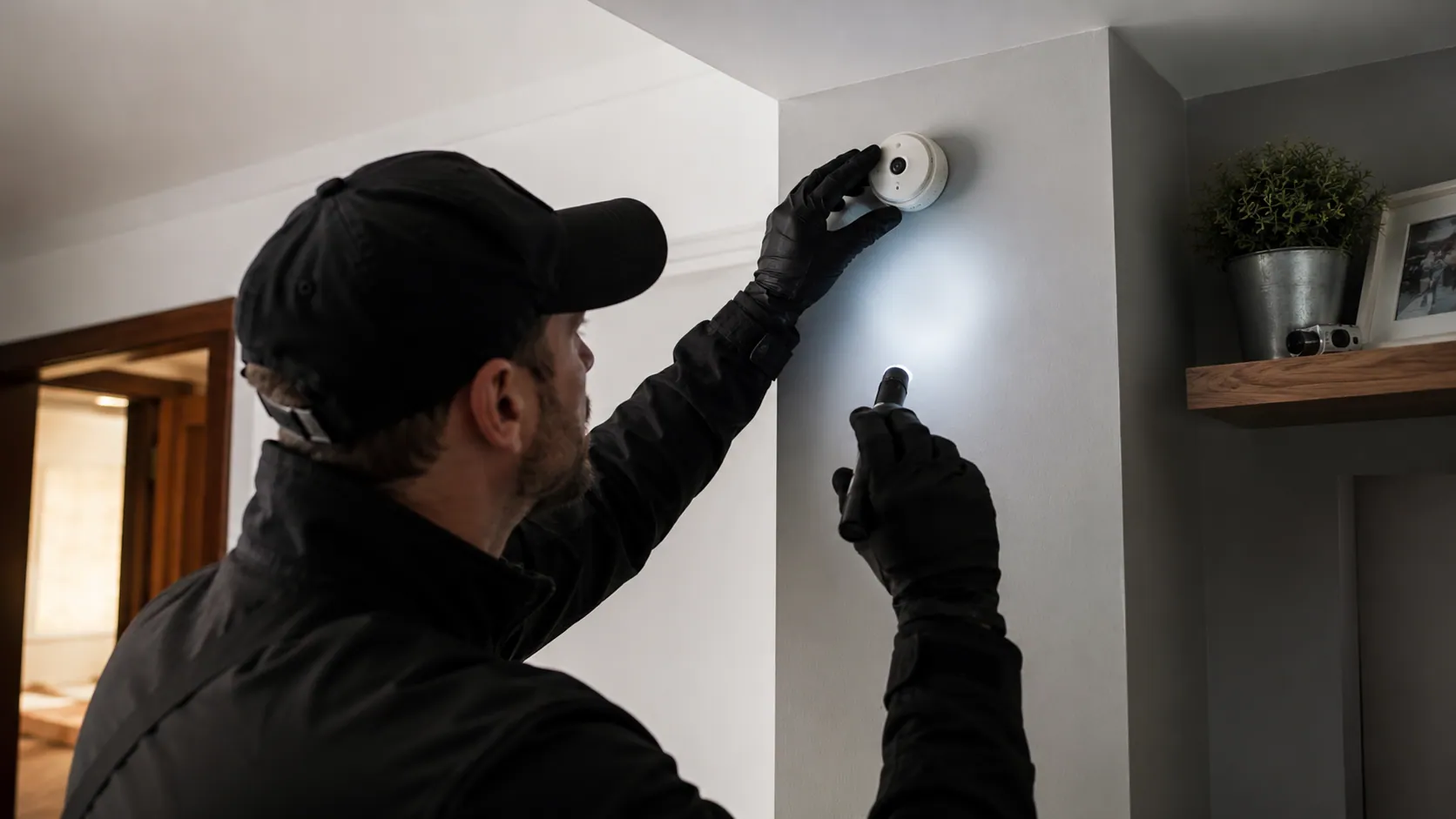
Introduction
How to tell if your house is bugged is a question people usually ask when something feels off: a strange noise on a call, a device acting oddly, a new object that seems out of place, or the uneasy sense that someone knows things they should not know. In simple terms, a bugged house is a home where someone may have placed a hidden listening device, hidden camera, wiretap, or another form of surveillance device to monitor conversations, movement, or activity. Competitor coverage consistently treats the topic as a mix of listening bugs, hidden cameras, wiretaps, electronic interference, and professional bug sweeping, which makes that the right core frame for a thorough article.
That said, modern surveillance is not always a classic spy movie scenario. Sometimes it is a small audio bug hidden in a lamp or smoke detector. Sometimes it is a camera in a clock or behind décor. And sometimes what looks like physical bugging is actually a smart-home privacy issue, an unknown device on your Wi-Fi, or a compromised connected account. Recent pages on this topic increasingly include Wi-Fi or network-based surveillance and smart device monitoring tools, which means a useful guide should cover both physical and digital clues.
The key is to stay calm and check things methodically. Not every strange sound means eavesdropping, and not every battery issue means your home is under surveillance. But some patterns are worth taking seriously.
What “Bugged” Usually Means Today?
When people say a house is bugged, they usually mean one of five things:
- A hidden listening device is recording or transmitting audio.
- A hidden camera is watching a room.
- A wiretap is interfering with a phone line or device.
- A GPS tracking device is being used alongside in-home monitoring.
- A connected device or account is being misused to monitor activity.
The competitor set leans hardest on the first three: listening devices, wiretaps, and hidden cameras. Some pages also extend the topic to GPS trackers and wireless bugging devices, especially in product-led or service-led content.
So if you are trying to figure out how to check for hidden bugs in your house, you should think in terms of both physical concealment and signal or network clues.
10 Signs Your House May Be Bugged
The most common competitor heading by far is a signs section, and that makes sense. People searching this keyword are usually trying to compare what they are noticing against recognizable warning signs.
-
You hear strange sounds on calls or devices
Buzzing, clicking, static, volume changes, or odd echoes on a phone, radio, or TV are repeatedly mentioned as possible signs of a wiretap or other listening device. This does not prove anything on its own, but it is one of the oldest and most repeated indicators in the space.
-
Electronics start behaving differently
Unexpected interference, unusual signal disruption, or devices acting in ways they normally do not can be a clue. Some pages specifically mention radio and TV interference, while others point to unusual device behavior more broadly.
-
Something in the room looks out of place
A new charger, clock, smoke detector, picture frame, power strip, lamp, or wall fixture that you do not recognize deserves a closer look. Multiple sources recommend paying attention to unexpected new objects, shifted décor, or anything that seems recently installed or moved.
-
You find signs of tampering
Loose switch plates, disturbed outlet covers, tiny holes, drywall dust, or fresh marks near walls and ceilings can suggest that someone has installed something where it was not before. Tim Wilson’s page especially emphasizes physical clues like disturbed surfaces and concealment in household items.
-
Your Wi-Fi or network suddenly looks unusual
An unknown device on your network, unexpected drops in Wi-Fi performance, or unfamiliar connections can be a warning sign. More recent coverage expands beyond classic bugs to include Wi-Fi or network-based surveillance.
-
Your phone or smart devices behave strangely
A phone heating up for no clear reason, a smart speaker activating on its own, or camera lights behaving oddly could mean many things, but they belong on your checklist. Newer coverage increasingly links suspicious device behavior with surveillance concerns.
-
You notice suspicious vehicles or repeated nearby presence
Some older investigative pages mention service vehicles, delivery vehicles, or people lingering nearby as possible indicators of surveillance activity. This is not a common everyday sign, but in context it can matter.
-
A break-in happened, but nothing valuable was taken
If there has been a burglary or unauthorized entry and no obvious theft, some people worry the real goal was installation rather than stealing. SpyCentre and related pages explicitly connect post-burglary checks with searches for surveillance devices.
-
You spot a tiny reflection or unusual light
A camera lens can sometimes reflect light in a dark room or when a flashlight is moved slowly around suspicious objects. This is often suggested as a hidden camera check, especially for hardwired or well-concealed devices.
-
Someone seems to know private details they should not know
This is the human clue many articles only hint at. If private conversations keep showing up elsewhere, especially along with one or more technical signs, the pattern matters more than any single symptom.
Where Hidden Listening Devices and Cameras Are Commonly Placed?
If you want to know how to inspect a room for hidden microphones or cameras, start with the most realistic hiding spots. Across the competitor set, the same locations show up again and again: smoke detectors, electrical outlets, light switches, telephones, lamps, clocks, picture frames, and areas in walls or ceilings.
The reason is simple. A bug needs either power, a good listening angle, a useful view, or a believable place to hide. Objects that people ignore every day are ideal. That is why décor items, electronics, chargers, fake plants, shelving, and wall fixtures are worth inspecting closely.
Rooms where private conversations happen most often deserve the most attention: bedrooms, living rooms, home offices, and any area where you handle personal calls or financial information. Hidden cameras are also more likely to be placed where they have a stable view of the room.
A practical rule helps here: if an object is new, misaligned, unusually placed, or has extra wiring, inspect it first.
What Types of Devices Could Be in a Home?
Not all bugs work the same way. Knowing the difference makes it easier to understand what you are looking for.
| Device type | What it does | Common clue |
|---|---|---|
| Audio bug / listening device | Records or transmits conversations | Buzzing, unexpected object, tiny mic hole |
| Hidden camera | Captures video, sometimes audio too | Lens reflection, odd placement, unusual power source |
| Wiretap / phone-line bug | Intercepts or uses phone equipment | Static, clicks, volume changes, line interference |
| Wireless bugging device | Sends signals to a receiver | RF activity, signal anomalies |
| GPS tracker | Tracks location, often on a vehicle | Usually not in the house, but often tied to surveillance cases |
Tim Wilson’s page talks about two most common types of bugs, while SpyCentre and Bug Sweeping UK broaden the field to wiretaps, eavesdropping devices, hidden cameras, and GPS tracking devices.
This is why the question “what does a listening device look like?” has no single answer. Some are designed to look like ordinary household objects. Others are just tiny components hidden inside something bigger.
How to Check If Your House Is Bugged Yourself?
If you are looking for the easiest way to check for hidden bugs, a calm and structured DIY sweep is the best first step. Multiple sources recommend starting with a basic physical scan and listening for unusual noises with electronics turned down or off.
Step 1: Start with a visual sweep
Walk through each room slowly. Look for anything that seems recently moved, newly added, slightly crooked, or unusually placed. Focus on smoke detectors, outlets, light switches, lamps, picture frames, clocks, routers, and decorative items.
Step 2: Check for tampering and extra power
A lot of surveillance gear still needs power. Look for odd cables, splitters, extensions, extra chargers, or new battery packs. If something seems to exist only to power a small device, that is worth noting.
Step 3: Listen in a quiet room
Some sources suggest turning off electronics and listening for faint buzzing or clicking. This is not perfect, but it is a reasonable low-tech check.
Step 4: Inspect your network
Open your router admin panel if you can and review connected devices. Unknown devices on Wi-Fi do not automatically mean your home is bugged, but they do deserve investigation. This is especially important in homes with smart speakers, video doorbells, smart plugs, or IP cameras.
Step 5: Try a dark-room camera check
Turn off the lights and slowly scan the room with a flashlight. A hidden lens can sometimes reflect light. This is one of the more practical ways to look for a hidden camera.
Step 6: Document before touching
If you notice something suspicious, take clear photos and notes before removing anything. That one step can matter a lot later.
One important point: do not rely on a single sign. What matters is the pattern. A little static by itself is weak evidence. Static plus a new object plus unexplained Wi-Fi activity is a different story.
Do RF Detectors, Camera Finders, and Apps Actually Work?
This is where many articles overpromise. RF detectors can be useful because they may detect signals from some wireless bugging devices and some transmitting hidden cameras. SpyCentre explicitly describes them as one of the best ways to detect unseen RF frequencies from hidden devices.
But they are not magic. A consumer bug detector may produce false positives from ordinary electronics, routers, Bluetooth devices, and other wireless gear. And a device that is not actively transmitting may not be easy to find with RF alone.
Phone apps are even less reliable. They can sometimes help you inspect a network or spot odd Bluetooth behavior, but they are not a substitute for a real physical search or professional sweep. That is why many investigator-led and service-led pages still pair detector advice with physical inspection and escalation to experts.
So the honest answer is this:
- RF detectors can help.
- Camera lens finders can help.
- Apps have limits.
- None of them, by themselves, guarantee certainty.
That is also why some professionals use more advanced tools such as thermal imaging, non-linear junction detectors, and specialized counter-surveillance equipment during a full TSCM sweep.
What to Do If You Find a Hidden Device?
This is one of the most important sections because many competitor pages spend more time on discovery than on what comes after it.
If you think you have found a hidden listening device, wiretap, or camera, do not rush to rip it out. The better approach is to document first, protect your safety, and think about evidence.
Take photos from different angles. Note the date, time, room, and exact placement. If you suspect you are dealing with stalking, coercive control, or a legal dispute, avoid confronting the person you suspect right away. A direct confrontation can sometimes make the situation worse.
After documenting, consider whether the situation calls for law enforcement, legal advice, or a professional bug sweep to check for more than one device. If the threat feels immediate, put safety first and leave the property if needed.
A simple case example makes this clearer. Imagine someone notices a new smoke detector in a room where no replacement was needed. They also had strange phone noise and an unknown device on Wi-Fi. Instead of pulling it down immediately, they photograph it, document the network list, and call for help. That sequence protects both safety and evidence much better than reacting on impulse.
When to Call a Professional Bug Sweep or TSCM Expert?
Sometimes DIY checks are enough to rule out obvious issues. Sometimes they are not.
You should seriously consider a professional bug sweep or TSCM expert if:
- you have multiple warning signs at once,
- you found something suspicious but are not sure what it is,
- the issue involves a legal battle, divorce, custody dispute, or business risk,
- you believe the device may be intermittent or professionally concealed,
- or your safety is at stake.
Competitor pages repeatedly push users toward expert help, especially when certainty matters. NPI, SpyCentre, and Bug Sweeping UK all present escalation to a counter-surveillance expert as the best path when suspicion remains high.
The value of a professional sweep is not just better tools. It is also the experience to tell the difference between a real threat and an innocent device or signal.
Can Smart-Home Devices Make It Look Like Your House Is Bugged?
Yes, and this is where many weaker articles fall behind.
A home can feel bugged even when the issue is not a classic hidden microphone at all. Amazon Echo, Google Nest, video doorbells, smart displays, IP cameras, smart locks, and other connected devices can create privacy concerns through misconfiguration, shared access, or account compromise.
For example, if someone still has access to your smart-home account after a breakup, they may not need to physically enter the house to monitor activity. That is why it is smart to review:
- connected devices,
- shared account access,
- password reuse,
- and whether two-factor authentication is enabled.
This angle matters because newer coverage on the topic increasingly mentions smart device monitoring tools and network-based surveillance, even when older competitor pages stay focused on classic bugs alone.
So if you are asking can someone bug my house without entering it, the answer can sometimes be yes, especially in the digital sense.
Hidden Cameras, Trackers, and Stalkerware: Related Risks People Confuse With “Bugging”
People often search this keyword when the real issue is broader than a listening bug.
A hidden camera is different from an audio bug, but both violate privacy. A GPS tracker is usually not inside the home, but it may appear in the same situation. Stalkerware or spyware on a phone can expose location, messages, and behavior without any hardware hidden in a room.
That is why a complete privacy check may include:
- inspecting rooms,
- checking vehicles for trackers,
- reviewing your phone and accounts,
- and looking for unknown Bluetooth or Wi-Fi devices.
This broader view creates a stronger article because it reflects how real surveillance concerns often overlap.
Is It Illegal for Someone to Bug Your House?
In many places, illegal surveillance is unlawful, but the details depend on local law. Consent laws, audio recording laws, and the legal expectation of privacy vary by country and sometimes by state or region.
That means the answer is not always as simple as “yes” or “no.” A spouse, landlord, roommate, employer, or neighbor may each raise different legal issues. Audio and video rules can differ too.
So the practical advice is simple: treat this as a general information issue first, but get local legal advice if the risk is real. If you find a device, the safest move is usually to preserve evidence and speak to the right authority instead of guessing the law yourself.
How to Reduce the Chances of Your Home Being Bugged?
No prevention plan is perfect, but a few habits lower your risk.
Change your Wi-Fi password and review connected devices regularly. Use strong account security on smart-home systems. Check rooms after repairs, contractor visits, break-ins, or tense personal situations. Be cautious about unusual gifts, chargers, décor, or electronics that suddenly appear in your space.
It also helps to do a simple periodic scan of high-risk hiding spots: smoke alarms, outlets, light switches, clocks, and network-connected devices. You do not need to live in fear. You just need a consistent, sensible routine.
Conclusion
Learning how to tell if your house is bugged is really about spotting patterns, not panicking over one strange clue. Hidden cameras, listening devices, wiretaps, RF signals, unknown Wi-Fi devices, and smart-home access issues can all play a role. The smartest approach is to check methodically, document anything suspicious, and bring in law enforcement or a professional bug sweep when the risk is real. Competitor guidance is consistent on the core signs: odd electronic interference, unfamiliar objects, physical concealment points, and the value of escalating to experts when DIY checks are not enough.
FAQ
Can someone bug my house without entering it?
Yes, in some cases. A person may not need to enter physically if they still have access to smart-home accounts, connected cameras, or networked devices. Physical installation, though, usually requires prior access unless the device was already present.
What’s the easiest way to check for hidden bugs?
Start with a slow visual inspection, then listen for unusual sounds, review connected devices on Wi-Fi, and check suspicious objects with a flashlight in a dark room. If multiple signs line up, escalate.
Are phone apps reliable for detecting bugs?
Not fully. Apps may help you review networks or Bluetooth activity, but they are not a dependable replacement for physical inspection or professional equipment.
What does a listening device look like?
There is no one look. Some resemble ordinary household items. Others are tiny microphones hidden inside smoke detectors, clocks, lamps, wall fixtures, or chargers.
How often should I sweep my home for bugs?
There is no universal rule. Some competitor content mentions monthly or every few months depending on risk level, but most people only need a check after a suspicious event or clear warning signs.
Disclaimer:
This article is for general informational and privacy-awareness purposes only and should not be considered legal, security, or professional surveillance advice. Signs of possible bugging, hidden cameras, listening devices, Wi-Fi concerns, or smart-home access issues can have different causes. If you believe your safety, privacy, or legal rights are at risk, document concerns carefully and contact a qualified security professional, legal advisor, or local authority.