
 By adnanshabbir942@gmail.com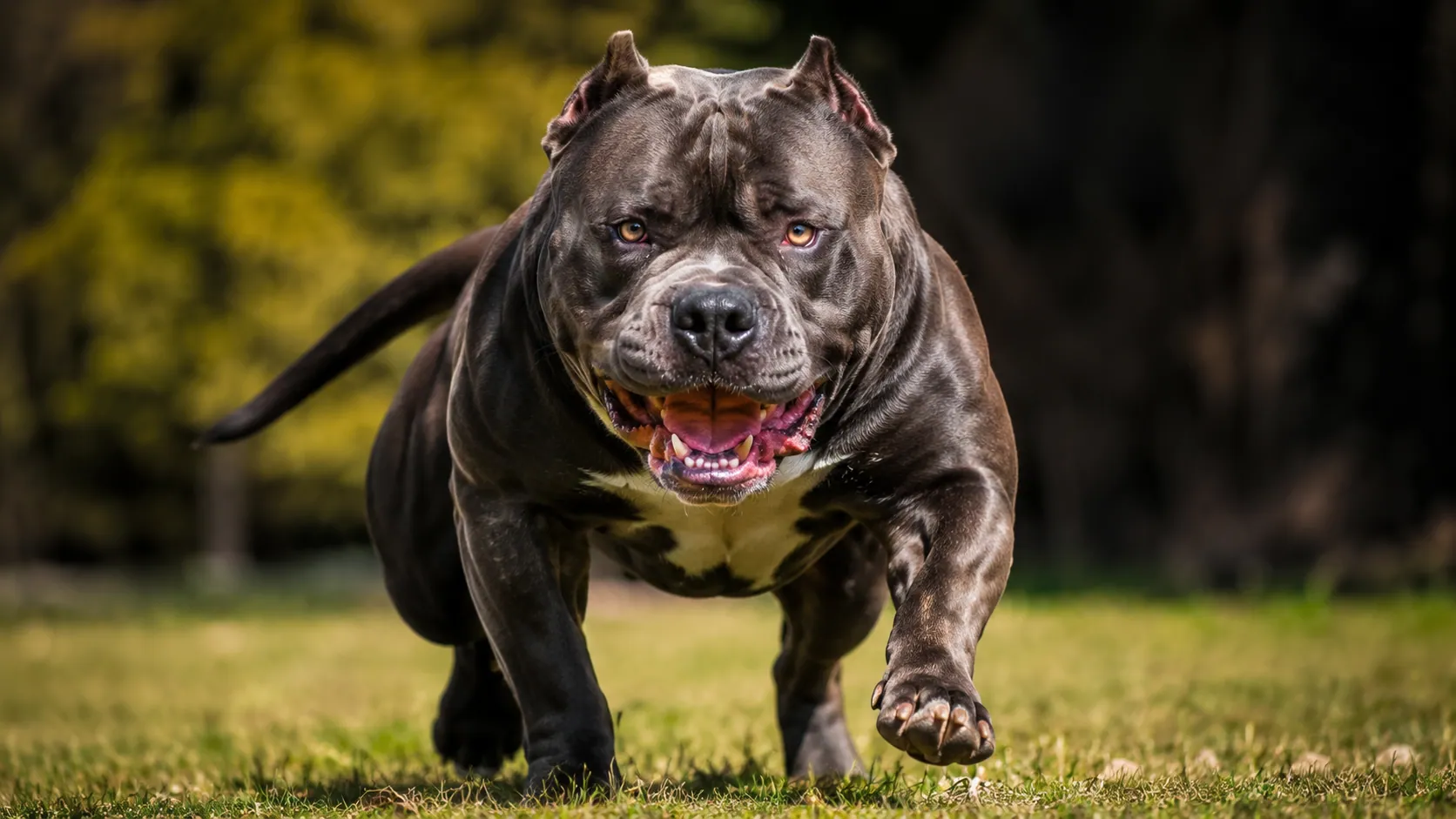
Which is the most dangerous dog is a question many people ask when they see headlines about dog attacks, dog bite injuries, or certain dangerous dog breeds being blamed in the news. The honest answer is that pit bull–type dogs are the breed group most often labeled the most dangerous dog breeds in rankings, lawsuits, and fatality discussions, but that does not mean breed alone tells the full story. Experts such as the AVMA and the CDC repeatedly stress that any dog can bite, and that behavior is influenced by training, socialization, supervision, owner accountability, environment, and the individual dog’s temperament.
That is why a strong answer has to go beyond a simple breed name. Some people define “dangerous” by fatal dog attacks. Others mean dog bite statistics, bite force, public safety risk, or the chance that a dog can cause severe injuries if something goes wrong. Those are not the same thing, and mixing them together is one reason so many articles on most dangerous dogs feel confusing.
In this guide, you will get a clear, balanced answer, along with the dog bite-related fatalities data, the breeds most often discussed, the limits of breed-based rankings, and practical dog bite prevention advice that most competitors leave out.
What “Most Dangerous” Actually Means
When readers search for which dog breed is the most dangerous, they usually expect one direct answer. But “dangerous” can mean several different things. It can refer to a breed’s appearance in fatal dog attacks, its involvement in dog bite incidents, its bite force, its size and strength, or whether it appears often in breed-specific legislation and restricted breed laws.
For example, some articles emphasize pit bulls responsible for fatal dog attacks. Others focus on Rottweilers, German Shepherds, or other aggressive dog breeds with strong protective instincts and high prey drive. Still others look at jaw strength and quote bite-force numbers such as 235 to 260 PSI, even though bite force alone does not tell you whether a dog is more likely to attack a person.
The CDC notes that around 4.5 million dog bites yearly occur in the United States and that nearly 1 in 5 people bitten by a dog requires medical attention. Those are serious numbers. Still, the AVMA warns that breed is not a reliable sole predictor of dangerousness. In other words, a big, strong dog can clearly do more damage than a small one, but that does not mean every dog of that breed is aggressive or unsafe.
So before asking which dog is most dangerous, it helps to ask a better question: dangerous by what measure?
Which Dog Breed Is Most Often Called the Most Dangerous?
If you look at competitor content, legal pages, and breed-risk discussions, pit bulls are the dogs most often described as the most dangerous dogs. The ranking is usually based on their appearance in reports about fatal dog attacks, severe bite cases, and injury claims. Several competitor pages also repeat figures like 65% of fatal dog attacks or 284 deaths linked to pit bulls over a given study period.
That is the answer many readers expect, and it is fair to say that pit bull terrier and American Pit Bull Terrier terms dominate this search space. But there is an important catch: the same topic is also one of the most controversial in dog policy and public safety. The AVMA argues that breed alone does not explain risk well enough, because bite severity and aggression are shaped by many factors, including owner neglect, poor socialization, lack of training, chaining, fear, pain, and supervision failures.
So a balanced answer sounds like this: pit bull–type dogs are the breed group most often ranked or described as the most dangerous in public-facing articles, but experts do not consider breed alone enough to predict whether an individual dog will be dangerous.
That distinction matters because searchers are often not just curious. They may be parents, first-time owners, renters dealing with public housing breed restrictions, or people researching liability after a bite. They need a useful answer, not just a dramatic one.
The Dog Breeds Most Commonly Listed as Dangerous
Pit Bull / American Pit Bull Terrier
The most repeated breed in the SERP is the pit bull. Competitors link pit bulls to fatal dog attacks, severe injuries, and danger rankings, and some also connect them to breed-specific legislation. Because the term “pit bull” can refer to multiple related dogs rather than one exact breed, discussions about breed identification can become messy fast.
Rottweiler
The Rottweiler is another breed frequently listed among the most dangerous dog breeds. That reputation comes from their strength, guarding history, and the fact that a large, poorly managed Rottweiler can cause very serious injuries. Competitors often pair pit bulls and rottweilers when discussing dog bite-related fatalities.
German Shepherd
The German Shepherd often appears because it is powerful, highly trainable, and naturally protective. Those qualities make it excellent in law enforcement, police dogs, and service work, but they also mean poor training or bad handling can create risk. A German Shepherd dog with fear issues, weak socialization, or territorial stress may be more reactive than owners expect.
Doberman Pinscher
The Doberman Pinscher has long been associated with protection work and alert behavior. Competitors often frame Dobermans as dogs that can be aggressive toward strangers if not raised and trained properly. That makes them a classic example of a breed whose temperament depends heavily on good breeding, guidance, and early exposure.
Chow Chow
The Chow Chow shows up because of its independent nature, reserved personality, and potential for territorial behavior. It is not always the first breed people think of, but it appears in aggressive-breed lists more often than casual readers expect.
Dogo Argentino, Cane Corso, and Wolf-Dog Hybrid
Breeds such as the Dogo Argentino, Cane Corso, and wolf-dog hybrid are usually mentioned because of their size, power, prey drive, and ownership complexity. These are not usually beginner-friendly dogs. Competitors use them as examples of breeds that can be difficult for first-time dog owners or unprepared households.
Other breeds that often appear
You will also see American Bulldog, Bullmastiff, Boxer, Siberian Husky, Alaskan Malamute, Great Dane, Dachshund, and even Dalmatian in some ranking-style pages. That does not mean all of them are equally risky. It shows how broad the “dangerous dog breeds” label becomes once articles start blending public safety, aggressive behavior, breed history, and bite anecdotes into one list.
Dog Bite Statistics and Fatality Data
Statistics are one of the most important parts of this topic, but they need context. Competitors frequently cite long-range fatality totals such as 523 Americans over a 15-year period from 2005 to 2019, or 433 Americans over 2005 to 2017, plus older references to a 20-year government study from 1979 to 1998 with 238 dog bite-related fatalities. Some pages also cite 52% increase or claims that certain breeds were responsible at over 7 times the rate of others.
Here is the basic pattern:
| Metric | Common claim in competitor content |
|---|---|
| Annual dog bites | 4.5 million dog bites yearly |
| Medical attention | Nearly 1 in 5 people bitten needs medical care |
| Annual deaths | 30 to 50 people killed annually |
| Long-range fatality totals | Figures such as 238, 433, and 523 over different study periods |
| Breed-linked fatality share | Competitor claims such as 65%, 66% (284), or 76% (398) in specific datasets |
These numbers help explain why searchers want a clear answer to which breeds are linked to severe dog bite injuries. But they also come with real limits. First, datasets differ. Second, not all studies use the same breed-identification method. Third, severe attacks naturally get more media and legal attention than millions of ordinary safe dog-human interactions.
That is why dog bite statistics should guide caution, not replace judgment. Data can show patterns. It cannot tell you whether the dog in front of you is safe, scared, undertrained, or about to react because it is in pain.
Why Breed Alone Does Not Tell the Whole Story?
This is the section most competitors need badly, and it is where your article can outperform them.
The AVMA is clear that breed alone does not predict behavior well enough to support simple dangerous-dog conclusions. Dogs bite for many reasons. A dog may be anxious, afraid, sick, startled, guarding food, protecting puppies, or reacting to rough handling. A dog can also become more risky because of owner neglect, poor socialization, weak boundaries, or lack of structure.
That means individual dog temperament matters more than many people realize. A well-socialized Rottweiler with responsible owners may be safer than a neglected small dog that has learned to lunge and bite. Size changes the outcome, of course, because bigger dogs can inflict worse damage. But environmental factors in dog aggression are still central to the story.
The CDC also emphasizes that any dog can bite, especially when it is eating, sleeping, caring for puppies, or feeling threatened. This is one reason responsible pet ownership matters so much. The real conversation should not be only about breed reputation. It should be about supervision, training, safe interaction, and owner accountability.
Warning Signs a Dog May Bite
A useful article on dangerous dogs should teach readers what most ranking pages ignore: warning signs a dog may bite.
The ASPCA says understanding canine body language is one of the best ways to prevent injuries. A dog that looks stiff, freezes in place, growls, shows the whites of its eyes, lifts its lip, or gives a hard stare may be telling you it is uncomfortable. Some dogs back away when stressed. Others go forward. Both can be signs of trouble.
This matters because the public often imagines dangerous dogs as dogs that attack “out of nowhere.” In reality, many dogs show signals first, but people miss them. A dog may appear territorial, guarded around strangers, protective of a toy, or reactive when a child hugs it too tightly. That does not excuse a bite, but it does show why prevention starts before the moment of contact.
One practical rule stands out: if a dog looks tense, do not test it. Give it space.
Child Safety Around Dogs
Children are one of the biggest hidden angles behind the query dangerous dog breeds for households with young children. The CDC has long advised adults to supervise all interactions between kids and dogs, even familiar dogs. Children move unpredictably, may not read body language well, and often get close to a dog’s face, which increases the risk of serious injury.
A few simple rules can prevent a lot of pain. Children should not disturb a dog that is sleeping, eating, chewing a toy, or caring for puppies. They should not climb on dogs, pull ears or tails, or corner an animal that wants space. Adults should teach kids to let a dog see and sniff them first. These are small habits, but they can dramatically improve child dog safety.
This is one reason the “most dangerous dog” question is often too narrow. For families, the better question is usually: Which dog is safest in my home, with my experience level, my children, and my ability to supervise and train?
How to Prevent Dog Bites and Reduce Risk?
The best response to scary statistics is not panic. It is dog bite prevention.
The CDC and ASPCA both recommend a few consistent habits. Always ask permission before petting an unfamiliar dog. Let the dog approach and sniff first. Avoid running up to dogs, leaning over them, or reaching suddenly toward their face. Respect warning signs a dog may bite. And never assume a wagging tail means full comfort.
For owners, the basics are just as important: early training, routine socialization, proper containment, attention to leash laws, and realistic breed matching. Powerful dogs with strong protective instincts or high prey drive need owners who can manage them consistently. That is true whether the breed is a pit bull, German Shepherd, Doberman Pinscher, or Cane Corso.
A short rule worth remembering is this: prevention is easier than prediction. It is often easier to reduce risk through smart handling than to argue online about which breed “wins” the danger ranking.
What to Do After a Dog Bite?
If a bite happens, priorities change fast. First, get to safety. Then wash the wound with soap and water, apply pressure if needed, and seek medical care, especially for deep punctures, facial injuries, hand injuries, or bites involving children or older adults.
This part matters because a dog bite is not just a trauma issue. It is also an infection issue. The CDC warns that dog bites can spread germs, including Capnocytophaga, which can in some cases lead to serious illness. Rabies prevention also matters when vaccination status is unknown or local public-health guidance indicates follow-up is needed.
So while competitor pages talk about medical expenses, personal injury claims, and liability, readers also need the public-health version of the answer: what to do after a dog bite for medical care is just as important as what to do legally.
Dangerous Dog Laws and Breed-Specific Legislation
The legal side of this topic is one reason the keyword has such strong emotional pull. Many cities, landlords, insurers, and housing authorities have rules about certain breeds. Competitors mention public housing breed restrictions, military regulation, and city-level restrictions in over 900 U.S. cities.
But the law is not one-sided. The AVMA argues that behavior-based dangerous dog laws are more effective than blanket breed bans because dangerous behavior is influenced by multiple factors, not just breed label. That is an important distinction for readers dealing with breed-specific legislation, because a law may treat a dog one way while modern veterinary guidance evaluates risk more broadly.
So if your concern is legal rather than theoretical, the safest advice is simple: check your local rules. The answer in California may differ from the answer in another state, and the answer for a landlord may differ from the answer for animal behavior experts.
So, Which Is the Most Dangerous Dog?
If you want the blunt SERP-style answer, pit bull–type dogs are the breed group most often identified as the most dangerous in rankings, lawsuits, and fatality-focused articles. That is the pattern across your competitors, and it is why terms like pit bulls account for 26.74% of all dog bite incidents or pit bulls involved in 61 fatalities over three years appear so often in this content space.
But if you want the best answer, it is more nuanced. A dog’s risk is shaped by breed traits, yes, but also by individual dog temperament, owner behavior, training quality, health, supervision, and context. The most dangerous dog is not simply the dog with the scariest reputation. It is the dog with the greatest potential for harm combined with poor management or dangerous circumstances.
That is why the smartest takeaway is this: take breed seriously, but do not stop there.
Frequently Asked Questions About Dangerous Dogs
Is the pit bull the most dangerous dog?
In public-facing rankings and many competitor articles, pit bulls are the breed group most often presented as the answer. But the AVMA says breed alone is not enough to predict dangerousness in an individual dog.
Are Rottweilers more dangerous than pit bulls?
That depends on the metric. Rottweilers are frequently listed among high-risk dog breeds, but most competitor pages give pit bulls the top spot in fatality-focused discussions.
Can small dogs be aggressive too?
Yes. Small dogs can absolutely bite and show aggressive behavior. They usually cause less severe injuries because of their size, but that does not make the behavior harmless.
Are dangerous dogs born that way or raised that way?
Neither answer is complete on its own. Genetics matter, but so do socialization, health, fear, supervision, and training. That is why experts focus on responsible pet ownership instead of simple breed blame.
What dog is safest for families with children?
There is no perfect breed answer. The safer choice is a dog with a stable temperament, proper training, realistic exercise needs, and adults who will supervise every child-dog interaction carefully.
Final Thought
A good article on which is the most dangerous dog should do more than repeat scary rankings. It should help readers understand dog bite statistics, recognize limits in the data, and make safer choices in real life. The competitors mostly cover the rankings. Your article now covers the rankings and the reasons behind them, the content gaps, the legal context, the child-safety angle, and the prevention advice readers actually need.