
 By adnanshabbir942@gmail.com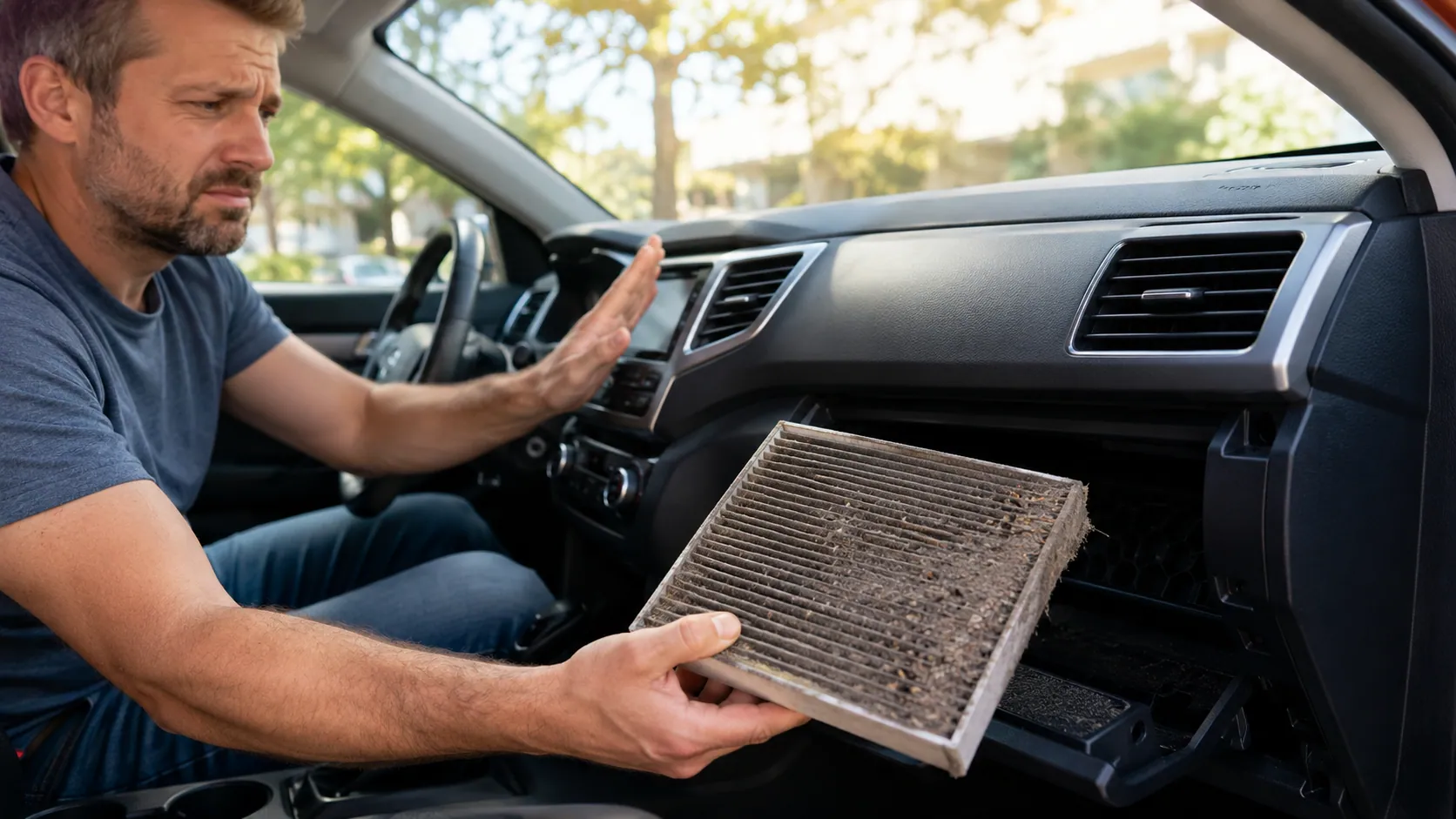
Can a dirty cabin filter affect AC? Yes — in many cars, a dirty cabin air filter can make the A/C feel weaker because it restricts airflow through the HVAC system, which can lead to weak vent output, longer cool-down times, musty smells, and worse air quality inside your car. A clogged filter usually does not cause every kind of air-conditioning problem, but it can absolutely make your system feel less effective, especially on a hot summer day when you need strong, clean airflow the most. Sources aimed at drivers and technicians consistently describe the same pattern: a loaded filter reduces airflow through the vents and can make cooling feel sluggish even when the rest of the system is still working.
That distinction matters. Many drivers search because their car AC is not cooling the way it used to, but what they are really noticing is a drop in airflow efficiency, not always a failure to produce cold air. If the fan sounds like it is running normally, but less air is coming out of the vents, a blocked air filter is one of the simplest things to check first. Replacing the cabin air filter is often a low-cost maintenance step, and in some cases it restores the crisp, comfortable airflow drivers were missing.
How a Cabin Air Filter Affects Your Car’s AC System
The cabin air filter has one main job: it cleans the air moving into the passenger compartment. It traps dust, pollen, soot, and other airborne contaminants before that air reaches your vents. In many vehicles, the filter sits behind the glove box or near the cowl at the base of the windshield, so all the air moving through the ventilation system passes through it first. That is why a dirty filter can influence both air quality and A/C performance.
When the filter becomes packed with debris, the HVAC system has to pull air through a tighter barrier. Less air reaches the cabin, and the blower may have to work harder to push it through. That is the basic reason a dirty cabin air filter can affect AC temperature in a practical sense: the air may still be cooled, but because the airflow from the vents is weaker, the cabin can take longer to reach the target temperature. In other words, the system can feel less powerful even if the refrigerant side of the A/C is fine.
You can think of it like breathing through a dusty mask. The air is still there, but it does not move as freely. That is why so many drivers describe the problem as lukewarm air, poor AC performance, or “the fan is on high, but it still feels weak.”
Can a Dirty Cabin Filter Really Make the AC Feel Weak or Less Cold?
This is the question most people actually want answered, and the honest answer is yes, but mostly through airflow.
A dirty cabin filter is most likely to cause weak airflow from vents, reduced cooling efficiency, and longer cool-down times. If less air reaches the cabin, your car can still be producing cold air at the evaporator, but the cooling effect inside the cabin will feel underwhelming. That is why many sources describe the result as weak vent output rather than complete A/C failure.
It helps to separate three different complaints:
| What you notice | What it often suggests | Is the cabin filter a likely cause? |
|---|---|---|
| Air is cold, but airflow is weak | Restricted airflow | Yes, often |
| Airflow is strong, but air is not cold | Refrigerant or A/C system issue | Less likely |
| Airflow is weak and cooling is slow | Filter restriction, blower issue, or both | Possible |
That difference is important because a dirty cabin air filter usually does not “turn off” the A/C in the way a failed compressor or major refrigerant issue might. Instead, it makes the system feel less effective. Some drivers interpret that as “the AC stopped working,” but the more precise explanation is that the filter can obstruct cooling by starving the cabin of airflow.
So, can a dirty filter stop the AC from blowing cold air? In a strict sense, not usually. But can it make the car cool so slowly that it feels like the A/C is failing? Absolutely.
Signs Your Cabin Filter Is Dirty
The most common symptoms of a dirty cabin filter are surprisingly easy to notice once you know what to look for.
The first sign is usually reduced airflow. Even at the highest level fan setting, the air coming from the vents may feel weak. That is one of the most repeated symptoms across car-service sources and dealership service pages.
The second big clue is unpleasant odors. A filter loaded with grime and moisture can contribute to a musty smell, a wet sock smell, or stale cabin air when you first turn on the system. That smell does not always mean there is major damage inside the A/C, but it often tells you the air moving into the cabin is no longer as clean as it should be.
Other common warning signs include more dust inside the cabin, foggy windows that take longer to clear, and extra fan or airflow noise as the system struggles against the blockage. Some sources also mention that allergy-prone passengers may notice more irritation if the filter is no longer trapping contaminants effectively.
A practical checklist looks like this:
- Weak airflow even when the fan is turned up
- Musty or stale smells from the vents
- Longer cool-down times on warm days
- Fogged windshield or slower defroster performance
- Dusty cabin air or visible interior dust
- Whistling or extra blower noise
If you are seeing two or more signs at once, the cabin air filter replacement should move near the top of your troubleshooting list.
Dirty Cabin Filter vs. Low Refrigerant: How to Tell the Difference
One of the biggest user pain points is figuring out whether the problem is a cheap filter or a more expensive A/C repair.
A dirty cabin filter usually causes airflow problems first. The air coming out may still be cool, but there is not enough of it. You might notice that the fan speed feels normal but airflow is weak, or the system takes much longer to cool the cabin. In contrast, low refrigerant or another refrigeration-side problem often shows up as normal airflow but poor cooling. The air may come out in full volume, yet it is not cold enough.
Here is a simple rule of thumb:
If the air is cold but weak, suspect the cabin filter or possibly the blower motor.
If the airflow is strong but warm, suspect a deeper A/C system issue.
That does not mean diagnosis is always that simple. A weak blower, electrical problem, or airflow door issue can overlap with filter symptoms. But for everyday troubleshooting, the cabin air filter is one of the cheapest and easiest first checks. That is why so many maintenance sources recommend inspecting it before paying for more involved service.
Can a Dirty Cabin Filter Cause Bad Smells, Allergies, and Poor Air Quality?
Yes, and this is one of the reasons the topic matters beyond comfort.
The cabin filter is not only about making the A/C feel stronger. It also helps keep the air inside the car cleaner by trapping pollen, dust, and other contaminants. When it gets clogged, dirty, or damp, drivers may notice musty odors, stale air, and a general drop in cabin freshness. Several sources directly connect a dirty filter with bad smells and reduced air quality inside your car.
For people with allergies or other respiratory issues, that can be especially frustrating. A loaded filter does not necessarily create a health emergency, but it can make the cabin feel stuffier and less pleasant. This is also where activated charcoal filters and HEPA-style cabin filters get attention, because they are often marketed as better at controlling odors or finer particles than standard paper designs.
If your car smells fresh on some days and stale on others, especially right after startup, the filter is worth a look.
Can a Dirty Cabin Filter Damage the Blower Motor or HVAC System?
A clogged filter can make the system work harder, but it is best to explain this carefully.
When airflow is restricted, the blower motor may need to push against more resistance to move air through the cabin. Some service sources say that extra strain can contribute to blower noise and may shorten component life over time. That does not mean every neglected filter will destroy a motor, but it does mean a dirty filter is not great for long-term HVAC component wear.
In real life, that extra strain may show up first as a louder fan, inconsistent airflow, or a system that no longer feels as smooth and quiet as it once did. Replacing a filter is far cheaper than replacing a blower motor, so as a maintenance decision, it is usually the obvious move.
Does a Dirty Cabin Filter Affect Defogging and Windshield Visibility?
It can, and this is one of the most overlooked symptoms.
Your defroster depends on airflow. If the system cannot move enough air toward the glass, the windshield and front windows may take longer to clear. Some car-service sources specifically mention that restricted airflow can make the defroster feel sluggish and leave windows foggy for longer than normal, especially in humid conditions.
That means a dirty cabin filter can affect more than comfort. It can also affect everyday usability when visibility matters. If your windows seem to stay hazy longer than they used to, especially with other filter symptoms, the filter deserves attention.
When Should You Replace a Cabin Air Filter?
There is no single mileage number that fits every vehicle, but a common guideline is around 12,000 to 15,000 miles, and some sources phrase it as about once a year depending on the vehicle and driving conditions. Cars.com notes that owner’s-manual guidance matters and that replacement timing depends on how and where you drive.
The “normal interval” is only the starting point. You may need to replace the filter sooner if you often drive in:
- Dusty or heavily polluted areas
- Stop-and-go traffic with lots of outside odors
- Pollen season
- Areas with smoke, soot, or road grime
- Dirt roads or sandy roads
These conditions load the filter faster, which is why a driver in one region might need replacement far sooner than someone in a cleaner environment. That is also why articles that only give one static number miss the real-world picture.
How to Check if the Cabin Filter Is the Problem
You do not need to be a technician to do a basic check.
Start the car and run the fan through different speeds. If the fan speed changes but the actual airflow from the vents still feels weak, that points toward restriction somewhere in the airflow path. Then pay attention to smell. If you notice musty air right at startup, the filter moves higher on the suspect list.
Next, inspect the filter if your vehicle makes it accessible. In many cars, the cabin air filter is behind the glove box, and owner’s-manual instructions or model-specific videos can show the exact location. Cars.com specifically recommends checking instructions before you buy a replacement so you can decide whether it is an easy DIY job.
If the filter looks dark, packed with debris, or obviously overdue, replacing it is a sensible first step. If airflow stays weak afterward, then it is time to look deeper at the blower motor, doors, or refrigeration system.
DIY Replacement vs. Mechanic Visit
A lot of drivers are surprised by how simple this job can be. Many vehicles let you access the cabin filter through the glove box area, and that makes replacement much easier than many other maintenance tasks. Cars.com explicitly notes that owner’s-manual directions or year/make/model videos can help you judge whether you want to tackle it yourself.
A DIY swap makes sense when:
| Situation | Best move |
|---|---|
| Filter is easy to reach and symptoms are mild | DIY replacement |
| You have weak airflow plus odors | DIY first, then retest |
| Airflow stays poor after replacement | Mechanic inspection |
| Air is warm even with strong airflow | Mechanic inspection |
If you are dealing with a Toyota Camry, SUV, truck, or most modern daily drivers, the job is often straightforward. But if access is awkward, or if you suspect more than just a filter issue, a professional inspection can save time.
Best Cabin Filter Types: Standard vs. Charcoal vs. HEPA
Not every filter is built the same, and this is an easy way to add value for readers.
Standard paper filters do the basic job of trapping dust and larger debris. Activated charcoal filters add odor control, which can help if your biggest complaint is stale or polluted air. HEPA-style cabin filters are often marketed for finer filtration, though exact performance varies by brand and vehicle. Some articles also mention scented cabin air filters, but for most drivers, the practical choice is between standard and charcoal.
If your main issue is musty smell, city traffic odors, or pollution, a charcoal filter may be worth the extra cost. If you simply want to restore normal airflow and keep maintenance affordable, a standard filter is often enough.
Seasonal and Regional Factors That Make Cabin Filters Clog Faster
This is where real-life driving conditions matter.
A filter in a mild, clean-air environment may last close to the usual replacement interval. But filters in dusty areas, pollen-heavy spring conditions, smoky regions, or heavy urban traffic can clog much faster. Cars.com notes that especially dirty driving conditions can justify earlier replacement than the normal schedule.
That means pollen season, road dust, brake dust, smoke, and humid conditions can all change how often you should inspect the filter. If you drive in a particularly dirty area, “once per year” may be too long. This is one of the best places to build topical authority because it reflects how real drivers experience the problem.
Does Recirculate Mode Help if the Cabin Filter Is Dirty?
The Recirc button helps your A/C cool the cabin faster by reusing interior air instead of constantly pulling hot outside air into the car. Sources explaining recirculation describe it as closing off or reducing the outside air intake and recirculating cabin air, which improves cooling speed and helps keep outside odors and pollution out.
But does recirculate mode solve a dirty cabin filter? Not really. It may improve comfort somewhat because the system is cooling already-conditioned interior air, but it does not magically remove the airflow restriction created by a clogged filter. Depending on vehicle design, recirculated air may still interact with the cabin filter or at least remain affected by the same airflow bottleneck.
So yes, close the windows and use recirculate when cooling the cabin, but do not treat the Recirc button as a replacement for proper cabin air filter replacement.
Quick Troubleshooting Table
Here is a fast symptom guide you can use before booking service:
| Symptom | Likely cause | Is the cabin filter likely? | What to do next |
|---|---|---|---|
| Weak airflow, air still cool | Restricted airflow | Yes | Check and replace filter |
| Normal airflow, air not cold | Refrigerant or A/C issue | No / less likely | Diagnose A/C system |
| Musty smell from vents | Dirty or damp filter | Yes | Replace filter, retest |
| Foggy windows slow to clear | Poor airflow | Yes, possible | Check filter and defroster airflow |
| Whistling or noisy fan | Air restriction or blower strain | Possible | Inspect filter, then blower |
Conclusion:
So, can a dirty cabin filter affect AC? Yes — and in many cases it does so by cutting airflow, lowering cooling efficiency, increasing longer cool-down times, worsening musty smells, and reducing air quality inside the car. It is one of the simplest explanations for weak airflow from vents, and it is also one of the easiest maintenance items to fix.
The smartest takeaway is this: if your A/C feels weak, start with the simple things. Check the cabin air filter, especially if you also notice dust, odors, or slow defogging. If replacing it restores airflow, great — you solved the problem cheaply. If it does not, and the air is still warm or the system still struggles, then the issue is probably deeper than the filter alone. Either way, you have ruled out one of the most common and most affordable causes first.
Disclaimer:
This article is for general informational and vehicle maintenance guidance only. Cabin air filter effects, A/C performance, airflow issues, odors, and replacement intervals can vary by vehicle make, model, driving conditions, and HVAC system design. Always check your owner’s manual or consult a qualified mechanic for diagnosis and repair advice.