
 By adnanshabbir942@gmail.com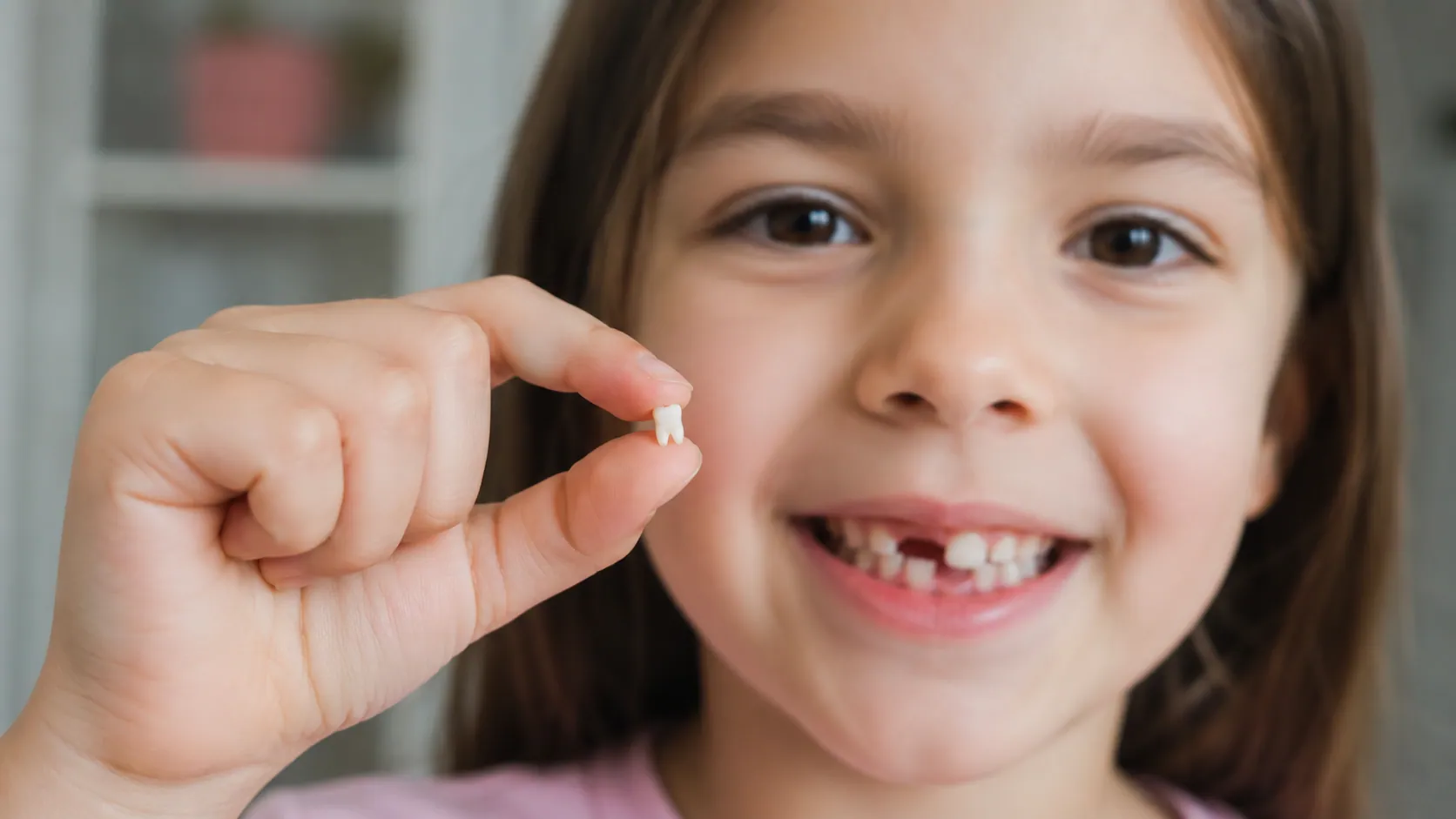
What age do baby teeth fall out is one of the most common questions parents ask when their child gets a first loose tooth. In most children, baby teeth start to fall out around age 6, although some kids may lose their first tooth closer to age 5 or age 7. Most children finish losing their primary teeth, also called milk teeth or temporary teeth, by around ages 12–13.
This process is a normal part of dental development. As permanent teeth grow underneath the gums, the roots of baby teeth slowly dissolve. The baby tooth becomes loose, wiggles more, and eventually falls out naturally.
Still, timing can vary from child to child. Some children lose teeth earlier than classmates, while others keep baby teeth longer. This guide explains the baby teeth timeline, the normal baby teeth falling out order, what to do with a wiggly tooth, and when parents should call a pediatric dentist.
What Age Do Baby Teeth Fall Out?
Most children start losing baby teeth around age 6. The first teeth to fall out are usually the lower central incisors, which are the two bottom front teeth. After that, the upper central incisors often loosen and fall out.
The full tooth loss timeline usually continues for several years. A child may start losing front teeth in early elementary school and continue losing baby molars until around age 12 or 13. By this age, most children have lost all 20 baby teeth and many of their adult teeth have already come in.
However, the exact timing is not the same for every child. A child who loses a first tooth at age 5 may still be completely normal. Another child may not lose a first tooth until age 7. What matters most is the overall pattern, the child’s comfort, and whether the permanent teeth are developing properly.
Parents should think of the timeline as a helpful guide, not a strict deadline. If your child’s teeth are falling out in a reasonable order and there is no pain, swelling, infection, or injury, the process is usually part of normal growth.
Baby Teeth Falling Out Chart by Age
A baby teeth falling out chart helps parents understand which teeth usually fall out at each stage. The chart below gives a general timeline, but every child may be slightly different.
| Age Range | Baby Teeth That Usually Fall Out | Parent Notes |
| 6–7 years old | Lower central incisors | Usually the first baby teeth to fall out |
| 6–8 years old | Upper central incisors | Often follow the bottom front teeth |
| 7–8 years old | Lateral incisors | These are the teeth beside the front teeth |
| 9–11 years old | First molars | Back chewing teeth may begin to loosen |
| 9–12 years old | Canines | Also called cuspids; timing can vary |
| 10–12 years old | Second molars | Often among the last baby teeth lost |
| 12–13 years old | Final baby teeth | Most children have lost all baby teeth by this stage |
Children usually have 20 primary teeth. These teeth are replaced gradually as permanent teeth erupt. Adults usually have 32 permanent teeth, including wisdom teeth, although not everyone develops or keeps wisdom teeth.
One important point: the first permanent molars often come in around age 6, but they do not replace baby teeth. They come in behind the baby molars. Because of this, parents sometimes miss them and may not realize these are permanent teeth that need careful brushing.
What Order Do Baby Teeth Usually Fall Out?
The baby teeth falling out order often follows the same general order in which the teeth first came in. The bottom front teeth usually fall out first, followed by the top front teeth. Then the side front teeth, canines, and molars fall out later.
A common order is:
- Lower central incisors
- Upper central incisors
- Lateral incisors
- First molars
- Canines
- Second molars
This order is common, but it is not perfect for every child. Some children may lose an upper tooth before a lower tooth. Others may lose teeth slightly earlier or later than the average range. A small difference in order does not always mean something is wrong.
The bigger concern is when a baby tooth is lost very early because of tooth decay, a fall, or a sports accident, or when a permanent tooth appears but the baby tooth does not loosen. In those cases, a dentist may want to check the tooth position, spacing, and eruption pattern.
When Do Kids Lose Their First Tooth?
Many children lose their first tooth around age 5 or 6. The first lost tooth is usually one of the two bottom front teeth. For many families, this becomes an exciting milestone, especially with the Tooth Fairy tradition.
Some children lose a first tooth as early as age 4, while others may not lose one until closer to age 7. This can still be normal if the child is healthy and the tooth became loose naturally.
Parents often worry when their child’s classmates start losing teeth first. But dental development is like height, shoe size, or speech timing: children do not all follow the exact same schedule. If your child is around the normal age range and has no pain, swelling, or injury, there is usually no need to panic.
A helpful parent tip is to avoid comparing children too closely. Instead, watch whether the tooth becomes loose gradually, whether the gum looks healthy, and whether the child can eat and brush comfortably.
Is It Normal for Baby Teeth to Fall Out Early?
Sometimes baby teeth falling out early can be normal, especially if the child is around age 5 and the tooth was already loose. But tooth loss before age 4 should usually be checked by a pediatric dentist, especially if the tooth fell out suddenly or was linked to pain, decay, or injury.
Early tooth loss may happen because of tooth decay, cavities, trauma, falls, sports accidents, or dental infection. In these cases, the issue is not only the missing baby tooth. Baby teeth act as natural space holders for permanent teeth. If a baby tooth is lost too early, nearby teeth can shift into the empty space. This may affect how the adult tooth comes in later.
A dentist may sometimes recommend a space maintainer if a baby tooth is lost too soon. This small dental appliance helps hold the space open until the permanent tooth is ready to erupt.
For example, imagine a 4-year-old loses a back baby molar after severe decay. That molar was meant to stay in place for several more years. Without the proper space, nearby teeth may drift, creating crowding or alignment problems later. That is why early tooth loss deserves careful attention.
Is It Normal for Baby Teeth to Fall Out Late?
Late tooth loss can also worry parents. Some children simply lose baby teeth later than others, especially if other signs of growth are also on the slower side. However, if a child has not lost any baby teeth by around age 7 or 8, it is reasonable to ask a dentist for an evaluation.
A dentist may use a simple exam or dental X-rays to see whether the permanent teeth are present under the gums and whether they are moving in the right direction. Sometimes late tooth loss happens because of delayed eruption, crowding, retained baby teeth, or a permanent tooth that is missing or blocked.
If a child still has several baby teeth at age 13 or 14, a dental check is especially helpful. One remaining baby tooth may not be an emergency, but it should be evaluated. The dentist can check whether the adult tooth is developing, impacted, or absent.
Late baby tooth loss does not always mean your child will need major treatment. But early evaluation helps parents avoid surprises and gives the dentist time to guide the child’s bite and spacing.
Why Baby Teeth Fall Out
Baby teeth fall out because permanent teeth are developing underneath them. As the adult tooth grows, it puts gentle pressure on the root of the baby tooth. Over time, the tooth roots dissolve, leaving less support for the baby tooth.
Once most of the root has dissolved, the baby tooth becomes loose. The child may notice it moving while eating, brushing, or touching it with the tongue. Eventually, the tooth falls out and the permanent tooth grows into place.
This stage is called the mixed dentition phase because the child has a mix of baby teeth and adult teeth at the same time. During this phase, it is common for teeth to look uneven, larger, or slightly spaced. Adult teeth may also appear more yellow than baby teeth because permanent enamel is naturally different.
Baby teeth are not “throwaway teeth.” They help with chewing, speech development, jaw growth, and spacing for adult teeth. Keeping them healthy until they fall out naturally supports a smoother transition to the adult smile.
Signs a Baby Tooth Is Ready to Fall Out
A baby tooth is usually ready to fall out when it becomes very loose and moves easily. A child may be able to wiggle it gently with the tongue or clean fingers. The tooth may shift forward, backward, or side to side without causing strong pain.
Common signs include mild tenderness, slight gum redness, and a small amount of bleeding when the tooth finally comes out. Some children feel excited, while others feel nervous or scared. Both reactions are normal.
A tooth is usually not ready if it feels firmly attached, causes sharp pain when moved, or has swollen gums around it. Parents should not force it. Pulling a baby tooth too early can cause unnecessary pain, bleeding, and fear.
A simple rule is this: if the tooth is barely hanging on and the child can move it without pain, it may be close to falling out. If the child cries, pulls away, or says it hurts, leave it alone and let nature do more of the work.
Should Parents Pull a Loose Baby Tooth?
Parents should not force a loose baby tooth out. In most cases, the safest approach is to let the child wiggle it gently until it falls out on its own.
If the tooth is extremely loose and almost detached, a parent may use clean hands or a clean tissue to help remove it gently. But there should be little to no pain. If the tooth resists, it is not ready.
Avoid tying the tooth to a string, yanking it, or using force. These methods can hurt the gum, cause bleeding, or make the child afraid of future loose teeth.
If the tooth is loose because of a fall, swelling, infection, or injury, treat it differently from a normal loose tooth. Call a pediatric dentist for guidance. A tooth that became loose from trauma may need evaluation, especially if nearby teeth, gums, or the jaw were affected.
The best advice is gentle patience. Most baby teeth fall out naturally when the permanent tooth is ready.
What to Do After a Baby Tooth Falls Out
After a baby tooth falls out, a little bleeding is normal. Have your child rinse gently with water. If bleeding continues, place clean gauze or a clean tissue over the area and ask the child to bite down gently for a few minutes.
Avoid harsh rinsing, poking the empty space, or brushing the gum aggressively right away. The area may feel tender for a short time. Soft foods can help if chewing feels uncomfortable.
Good options include yogurt, applesauce, mashed potatoes, scrambled eggs, soup that is not too hot, smoothies, soft pasta, and oatmeal. Crunchy or sharp foods may irritate the gum for a day or two.
Your child should still brush their teeth, but they can be gentle around the area. Keeping the mouth clean helps protect both the gum and the new adult tooth.
Call a dentist if there is heavy bleeding, swelling, pus, strong pain, fever, or if the tooth broke and a fragment seems left behind.
What If an Adult Tooth Comes In Behind a Baby Tooth?
Sometimes an adult tooth appears behind a baby tooth before the baby tooth falls out. Parents often call this shark teeth because it can look like a double row of teeth.
This is most common with the lower front teeth. In many cases, if the baby tooth is already loose, it falls out soon and the adult tooth gradually moves forward with help from the tongue and normal mouth movement.
However, if the baby tooth is still firm and the permanent tooth is clearly coming in behind it, a dentist should check it. The issue may involve crowding, retained baby teeth, or an eruption path that needs monitoring.
Not every case of shark teeth requires treatment. But it is worth watching closely. A dentist may recommend waiting, taking X-rays, or removing the baby tooth if it is blocking the adult tooth.
Parents should avoid trying to pull a firm baby tooth at home. If the permanent tooth is visible and the baby tooth is not loosening, professional advice is safer.
What If a Baby Tooth Falls Out but No Adult Tooth Comes In?
Sometimes a baby tooth falls out but no adult tooth appears right away. This can be normal. Adult teeth do not always erupt immediately after a baby tooth is lost. The timing depends on the tooth, available space, jaw development, and the position of the permanent tooth under the gum.
If the gum looks healthy and your child has no pain, it may simply need time. However, if several months pass with no sign of the adult tooth, or if other teeth seem delayed too, a dental visit can help.
A dentist may use dental X-rays to check whether the permanent tooth is present, impacted, delayed, or missing. Sometimes the adult tooth is there but needs more time. In other cases, crowding or a blocked eruption path may slow it down.
Parents do not need to assume the worst, but they should not ignore a long delay either. A calm dental check gives clear answers and helps guide the next step.
Knocked-Out Baby Tooth vs. Naturally Lost Baby Tooth
A naturally lost baby tooth usually becomes loose first. The child may wiggle it for days or weeks before it falls out. A knocked-out baby tooth, however, happens suddenly because of a fall, accident, or sports injury.
This difference matters. If a baby tooth is knocked out, parents should not try to put it back into the socket. Replanting a baby tooth can harm the developing permanent tooth underneath.
Instead, call a pediatric dentist. The dentist may want to check the gum, nearby teeth, and jaw. This is especially important if there is swelling, heavy bleeding, tooth discoloration, pain, or injury to the lips or face.
For children who play sports, a properly fitted mouthguard can help protect both baby teeth and permanent teeth. Dental trauma can happen quickly, and prevention is much easier than emergency treatment.
How to Keep Baby Teeth and New Adult Teeth Healthy
Good oral hygiene matters during the tooth-loss years. Even though baby teeth eventually fall out, cavities and infection can still cause pain, early tooth loss, spacing problems, and trouble eating.
Children should brush twice a day with fluoride toothpaste. They should brush for about two minutes, using a soft toothbrush that fits comfortably in the mouth. Parents may still need to supervise younger children to make sure all surfaces are cleaned.
Flossing is important once teeth touch each other. Food and plaque can get trapped between teeth, even in children. Regular flossing helps lower the risk of cavities between teeth.
Diet also matters. Frequent sugary snacks, chewy sweets, juice, soda, and sticky foods can raise the risk of tooth decay. Water and plain milk are better everyday drink choices.
Regular dental visits, often every 6 months, help catch small problems early. Dentists may also recommend dental sealants or fluoride treatments for extra protection, especially on permanent molars.
Healthy baby teeth support healthy adult teeth.
When Should Parents Call a Pediatric Dentist?
Parents should call a pediatric dentist if something feels outside the normal baby teeth timeline or if the child has pain or signs of infection.
A dental visit is helpful if a child loses a tooth before age 4, has no loose teeth by age 7 or 8, or still has several baby teeth at age 13 or 14. Parents should also call if a permanent tooth is coming in behind a baby tooth that is not loose.
Other warning signs include swelling, pus, fever, severe pain, bleeding that does not stop, a bad smell from the gum, or a baby tooth that breaks instead of falling out cleanly. Tooth loss from a fall or sports accident should also be checked.
The dentist may perform a physical exam and, if needed, take X-rays. This can show whether adult teeth are present, whether they are erupting correctly, and whether crowding or impacted teeth may be involved.
A timely visit does not always mean treatment is needed. Sometimes the dentist simply confirms that everything looks normal.
Baby Teeth, Jaw Growth, Speech, and Chewing
Baby teeth do more than fill a child’s smile. They help children chew food properly, speak clearly, and develop normal jaw function. They also guide permanent teeth into better positions.
When a baby tooth is lost too early, nearby teeth may shift into the open space. This can make it harder for the adult tooth to come in correctly later. That is one reason dentists take early tooth loss seriously.
Baby teeth also support comfort and confidence. A child with painful cavities or infected teeth may avoid chewing on one side, struggle with certain foods, or feel nervous about brushing.
Healthy baby teeth create a better foundation for permanent teeth. This is why parents should care for baby teeth even though they are temporary. They are part of a bigger growth system that includes the gums, jaw, bite, speech, and adult smile.
Baby Tooth Loss Checklist for Parents
Use this simple checklist to decide whether your child’s tooth loss seems normal or needs a dental opinion.
Normal Signs
Your child’s tooth loss is usually normal if the child is around age 5–7, the tooth becomes loose before falling out, discomfort is mild, and bleeding is light and brief. It is also normal for the first missing tooth to be one of the bottom front teeth.
It is common for adult teeth to look larger than baby teeth. It is also common for the smile to look uneven during the mixed dentition phase.
Call a Dentist If
Call a dentist if tooth loss happens before age 4, no teeth are loose by age 7 or 8, several baby teeth remain after age 13, or your child still has baby teeth at age 14.
You should also call if there is strong pain, swelling, pus, injury, crowding, a firm baby tooth with an adult tooth behind it, or a baby tooth that breaks and leaves a possible fragment.
This checklist does not replace dental care, but it helps parents know what is usually normal and what deserves a closer look.
FAQs
What age do baby teeth fall out?
Most children start losing baby teeth around age 6. Some start around age 5, while others begin closer to age 7. Most children finish losing baby teeth by ages 12–13.
What age do kids stop losing baby teeth?
Most kids stop losing baby teeth around 12 or 13 years old. If a child still has several baby teeth at age 13 or 14, a dentist may check for retained baby teeth, delayed eruption, or missing permanent teeth.
Is it normal for a 5-year-old to lose teeth?
Yes, it can be normal for a 5-year-old to lose a tooth, especially if it became loose naturally. If the tooth fell out because of decay, pain, or injury, parents should schedule a dental visit.
Is it normal if my child has not lost teeth by age 7?
Some children start later than others. However, if your child has no loose teeth by age 7 or 8, it is a good idea to ask a dentist to check the tooth development pattern.
Which baby teeth fall out first?
The lower central incisors, or bottom front teeth, usually fall out first. The upper central incisors often follow.
Do baby molars fall out?
Yes. Baby molars do fall out, but they usually fall out later than front teeth. First molars and second molars often loosen between ages 9 and 12.
What are shark teeth in kids?
Shark teeth happen when a permanent tooth comes in behind a baby tooth before the baby tooth falls out. It is often seen with lower front teeth. A dentist should check it if the baby tooth is not loosening.
Should I pull my child’s loose tooth?
Do not force a loose tooth. Gentle wiggling is fine if the tooth is already very loose. If it hurts, feels stuck, or has swollen gums around it, let a dentist check it.
Conclusion:
Most children start losing baby teeth around age 6, usually beginning with the lower central incisors. The process continues for several years as permanent teeth replace the child’s 20 primary teeth. By around ages 12–13, most children have lost all of their baby teeth.
A little variation is normal. Some children lose their first tooth at age 5, while others begin closer to age 7. What matters most is that teeth loosen naturally, adult teeth develop properly, and there are no signs of pain, infection, trauma, or serious delay.
Parents can support this stage with gentle care, good oral hygiene, fluoride toothpaste, regular brushing and flossing, and routine dental visits. When in doubt, a pediatric dentist can confirm whether your child’s baby teeth timeline is on track.
Disclaimer:
This article is for general informational purposes only and should not replace professional dental advice. Every child’s dental development, comfort level, and situation may vary. Parents should consult a qualified pediatric dentist for personalized guidance or concerns about baby teeth, pain, injury, or delayed tooth loss.