
 By adnanshabbir942@gmail.com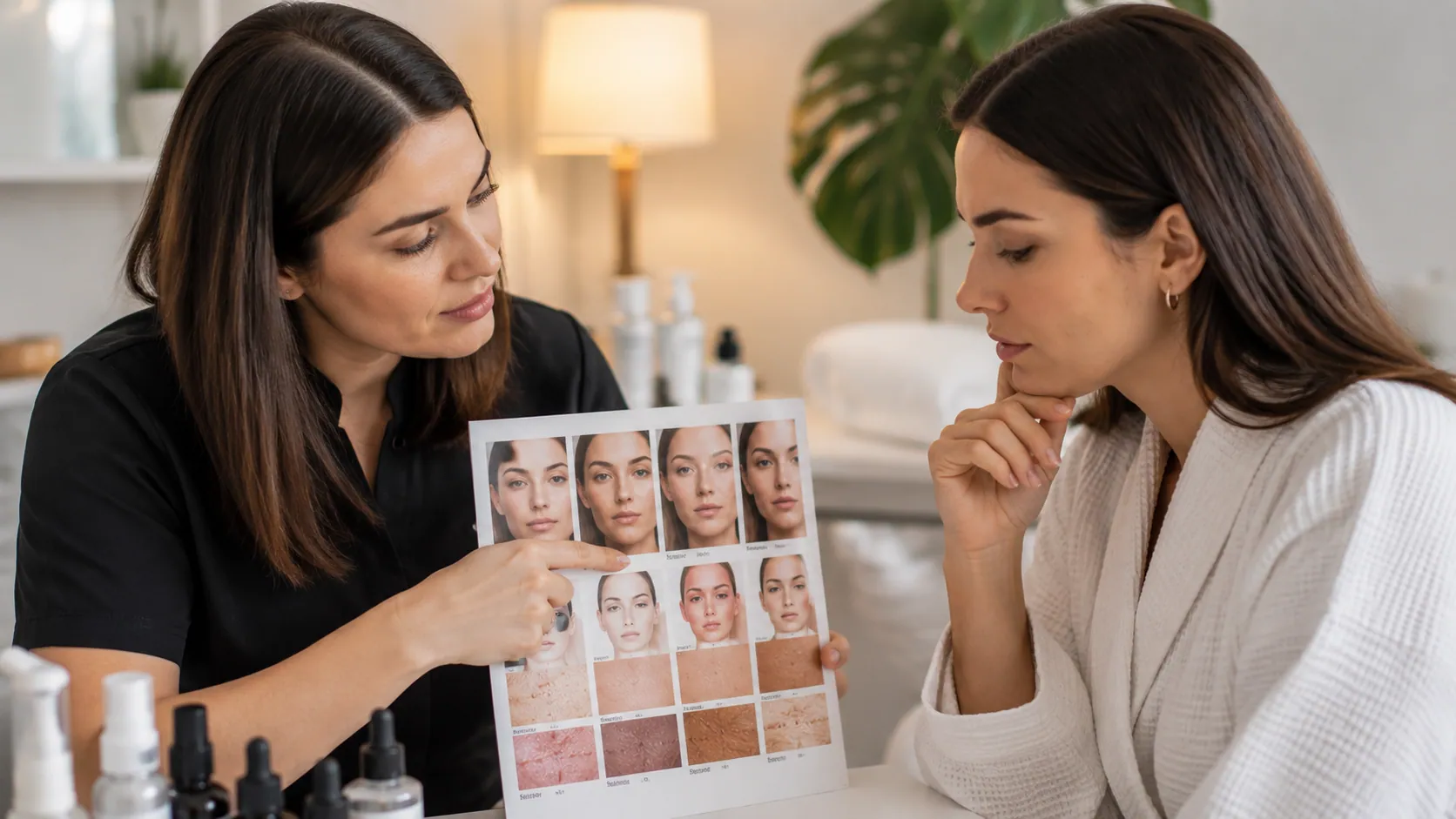
What kind of facial should I get is the first question to ask before booking any treatment, because the right choice depends on your skin type, main concern, sensitivity level, and how much downtime you can tolerate. A facial that works beautifully for someone with oily, resilient skin may be a bad fit for someone with dry, reactive, or rosacea-prone skin. Dermatology guidance consistently stresses that aggressive exfoliation and scrubbing can irritate skin and worsen certain concerns instead of improving them.
That is why the smartest way to choose a facial is not by trend, celebrity hype, or the most expensive option on the menu. It is by matching the treatment to what your skin actually needs right now: hydration, decongestion, calming, brightening, or firming. Many spa and med-spa facial categories overlap, but they do not do the same job. A classic facial, HydraFacial, LED facial, acne facial, oxygen facial, chemical peel, and microcurrent facial can all be helpful, just for different goals. Official HydraFacial materials, for example, position the treatment as a multi-step facial that cleanses, exfoliates, extracts, and hydrates while aiming to improve the look of dullness, pores, fine lines, and texture.
This guide will help you choose the best facial for your skin with a simple decision framework, clear treatment comparisons, practical safety advice, and FAQs.
Quick Answer: Best Facial by Skin Type and Goal
If you want the short version before diving deeper, use this cheat sheet:
| Skin Type / Goal | Best Starting Facial | Why It Usually Fits |
|---|---|---|
| Dry or dehydrated skin | Hydrating facial or classic facial | Supports moisture, comfort, and glow |
| Oily or congested skin | Deep-cleansing facial or acne facial | Targets buildup, clogged pores, and blackheads |
| Combination skin | Customized facial | Treats oily and dry zones differently |
| Sensitive or reactive skin | Gentle facial or LED facial | Lower irritation potential |
| Dull, tired-looking skin | Brightening facial or HydraFacial | Improves the look of glow and smoothness |
| Acne-prone skin | Acne facial with careful extractions | Helps manage congestion and surface breakouts |
| Fine lines and early aging | HydraFacial, microcurrent facial, or mild anti-aging facial | Focuses on plumping, hydration, and temporary firmness |
| Dark spots or uneven tone | Brightening facial or mild exfoliating treatment | Targets surface dullness and tone irregularity |
This is a good starting point, but choosing correctly gets easier when you look at both skin type and skin concern together.
Start With Your Skin Type, Not the Trendiest Treatment
The biggest mistake people make is choosing a facial because it sounds advanced. In reality, the best facial is usually the one your skin can tolerate consistently. The American Academy of Dermatology advises that exfoliation needs to match your skin type and warns that people with dry, sensitive, or acne-prone skin can irritate their skin if they exfoliate too aggressively.
Dry or dehydrated skin
If your skin feels tight, looks dull, or gets flaky, go for a hydrating facial first. Look for treatments built around hyaluronic acid, glycerin, soothing masks, and very mild exfoliation. Cleveland Clinic notes that dry facial skin often benefits from gentler care and barrier-supportive moisturizing rather than aggressive stripping.
A HydraFacial can also work well here because it combines cleansing, exfoliation, extraction, and hydration. That makes it attractive for people who want a fresher look without the heavy peeling or recovery associated with stronger resurfacing.
Oily or congested skin
If you get blackheads, visible pores, or a shiny T-zone, a deep-cleansing facial or acne facial usually makes more sense than a purely hydrating treatment. These facials often include cleansing, mild exfoliation, and carefully chosen extractions. The goal is to reduce buildup, not to over-dry the skin.
AAD guidance notes that exfoliation can make large pores look less noticeable and help remove dead surface cells, but it still has to be done carefully.
Combination skin
Combination skin needs flexibility. If you are oily around the nose and forehead but dry on the cheeks, a customized facial or classic facial is often ideal because the provider can adjust the treatment area by area. This is where a personalized facial treatment beats a one-size-fits-all approach.
Sensitive or reactive skin
If your skin stings, flushes, or reacts to many products, keep it simple. Cleveland Clinic describes sensitive skin as skin that reacts more easily to triggers such as products, temperature, wind, or friction.
For this skin type, look for gentle facials, limited active ingredients, and sometimes LED light therapy rather than anything harsh. If you also deal with redness or possible rosacea, the AAD recommends avoiding rubbing, scrubbing, and exfoliating tools that can worsen symptoms.
Choose Based on Your Main Skin Concern
Once you know your skin type, the next step is to match the facial to your biggest concern.
If your biggest issue is acne
If you are searching for what kind of facial is best for acne, choose an acne facial or deep-cleansing facial designed for clogged pores, blackheads, and mild breakouts. A good acne-focused treatment may include gentle cleansing, mild exfoliation, controlled extractions, and calming steps. What it should not include is harsh scrubbing. The AAD specifically advises people with acne not to scrub their skin, because that can irritate it and make things worse.
If you have painful, cystic, or widespread acne, skip the spa-first approach and see a dermatologist.
If your biggest issue is dullness and rough texture
A brightening facial, HydraFacial, or mild enzyme-based exfoliating facial is usually a better first step than a strong peel. Cleveland Clinic notes that exfoliation can brighten the look of skin and improve texture, but it must be gentle enough for your skin type.
If your biggest issue is fine lines and early aging
For fine lines, loss of firmness, or a tired look, common options include HydraFacial, microcurrent facial, and other anti-aging facials. HydraFacial officially markets its treatment toward improving the appearance of fine lines, wrinkles, and elasticity.
A microcurrent facial is often chosen for temporary lift and contour. It is popular before events because it is more about visible polish and firmness than deep correction.
If your biggest issue is dark spots or uneven tone
For post-acne marks, uneven tone, and visible dullness, a brightening facial or carefully selected exfoliating treatment can help. But this is also where irritation can backfire. If your skin tends to darken after inflammation, you do not want a treatment that leaves it more irritated than before. AAD advice on safe exfoliation is especially important here.
Different Types of Facials and Who They’re Best For
Classic facial
A classic facial or European facial is often the best starting point for beginners. It usually includes cleansing, mild exfoliation, facial massage, a mask, moisturizer, and sometimes extractions. It is flexible, familiar, and easy to customize.
HydraFacial
A HydraFacial is a strong choice if you want hydration, smoother-looking texture, and visible glow with relatively little downtime. According to HydraFacial’s official explanation, the treatment uses a multi-step system to cleanse, extract, and hydrate the skin while delivering targeted serums.
It is often a good fit for dry skin, combination skin, and people who want a polished look before a wedding, photo shoot, or big event.
LED facial
An LED facial or light therapy facial is often used as a calming or acne-supportive treatment. It tends to appeal to people who want a gentle option or an add-on rather than a strong resurfacing service. This can be a good fit for sensitive, reactive, or acne-prone skin, depending on the rest of the routine.
Acne facial
An acne facial focuses on decongestion. It is best for people dealing with blackheads, whiteheads, mild breakouts, and visible congestion. The best acne facials are methodical and gentle. The worst ones are overly aggressive and leave skin angry.
Oxygen facial
An oxygen facial is commonly marketed for fresh, glowy, event-ready skin. It is usually more of a radiance treatment than a corrective one, which makes it appealing before occasions where you want skin to look polished quickly.
Chemical peel or exfoliating facial
A chemical peel or stronger exfoliating facial can help with texture, surface dullness, and some tone issues, but this is not the best starting treatment for everyone. If your skin is reactive, very dry, or barrier-damaged, a milder facial is often smarter first. AAD guidance makes it clear that the more irritation-prone your skin is, the more careful you should be with exfoliation.
Microcurrent facial
A microcurrent facial is mostly about temporary firming and contour. Think of it as an event-focused option for someone bothered by mild sagging or loss of definition, not as the first-line answer for acne or sensitive skin.
Microneedling facial
A microneedling facial is more treatment-oriented than spa-oriented. It is usually considered for acne scars, texture, and collagen-focused improvement. It can be effective, but it is not usually where beginners should start just because it sounds advanced.
HydraFacial vs Classic Facial vs Chemical Peel
A lot of people narrow their choice to these three.
Choose a classic facial if you are a beginner, you want a flexible and lower-pressure option, or you are not yet sure how reactive your skin is.
Choose a HydraFacial if you want a balanced treatment that combines cleansing, exfoliation, extraction, and hydration, especially if your goals are brighter, smoother-looking skin and a refreshed look without obvious recovery.
Choose a chemical peel only if your skin tolerates exfoliation well and your goal is more corrective, especially for texture or visible dull buildup. If your barrier is already irritated, peeling harder is usually the wrong move.
What to Ask Before Booking a Facial
A good facial consultation should answer these questions clearly:
- What is my actual skin type right now?
- What facial fits my main concern best?
- Will this treatment involve strong exfoliation or extractions?
- How much downtime should I expect?
- What products should I pause before and after?
This kind of pre-booking checklist is useful because many people do not actually need the strongest treatment on the menu. They need the safest one that still moves them toward their goal.
How Often Should You Get a Facial?
For many people, every 4 to 6 weeks is a reasonable schedule because it lines up fairly well with the skin’s natural turnover rhythm and gives enough time to see how your skin responds. More frequent treatments are not always better. Consistency with a suitable facial usually matters more than intensity with a trendy one.
If you are doing event prep, a glow-focused treatment may be timed closer to the occasion, while more exfoliating or corrective treatments are often better scheduled earlier. Official HydraFacial content also emphasizes customization and recurring maintenance options rather than a one-time miracle approach.
Who Should Avoid Certain Facials?
Be careful with stronger facials if you have:
- Very sensitive skin
- Rosacea-prone skin
- A compromised skin barrier
- Active irritation from retinoids, strong acids, or over-exfoliation
- Severe inflamed acne
- Skin that burns, stings, or peels easily
AAD rosacea guidance recommends avoiding scrubbing, exfoliating tools, and irritating skin-care habits that trigger redness. Sensitive skin guidance from Cleveland Clinic points in the same direction: less friction and fewer irritants usually help.
What to Do Before and After a Facial
Before your appointment, avoid overdoing active ingredients. If you have been using retinol, tretinoin, strong acids, or scrubs, it is worth asking your provider whether you should pause them briefly. The AAD advises against layering too many potent products together, because irritation risk rises quickly when you combine strong actives.
After a facial, keep your routine simple:
- Gentle cleanser
- Moisturizer
- SPF 30 or higher
- No aggressive scrubs or strong exfoliants right away
That is especially important if your facial included exfoliation or extractions.
When to See a Dermatologist Instead of Booking a Facial
A facial is not the best answer for every skin problem. See a dermatologist if you have:
- Painful or cystic acne
- Persistent redness or likely rosacea
- A skin barrier that burns and stings frequently
- Pigmentation problems like melasma
- A condition that keeps coming back despite facials and skincare
Cleveland Clinic notes that a dermatologist or healthcare provider can help determine what is triggering sensitive skin and how best to manage it.
FAQs
What kind of facial should I get for the first time?
A classic facial is usually the best first facial because it is flexible, familiar, and easier to customize. If your main goal is hydration and glow with minimal downtime, a HydraFacial is also a solid beginner-friendly option.
What kind of facial should I get for acne-prone skin?
An acne facial or deep-cleansing facial is usually the best place to start for mild congestion and breakouts. If your acne is severe, painful, or cystic, a dermatologist is a better first stop than a spa. The AAD also advises against scrubbing acne-prone skin.
What is the best facial for dry skin?
A hydrating facial is usually the best choice for dry or dehydrated skin. Look for barrier-supportive ingredients such as hyaluronic acid and glycerin, plus gentle treatment steps rather than aggressive exfoliation.
What facial is best for sensitive skin?
A gentle facial or LED facial is often safest for sensitive skin, especially if your skin reacts easily. If you also have redness or rosacea-like symptoms, avoid harsh exfoliation and scrubbing.
Is HydraFacial better than a classic facial?
Not automatically. A HydraFacial may be better if you want hydration, glow, and a polished result with little downtime. A classic facial may be better if you want a simpler, more customizable option or you are just getting started.
Should I get a chemical peel or a facial?
If you are new to treatments, reactive, or unsure of your tolerance, start with a facial instead of a peel. A chemical peel is better reserved for people who tolerate exfoliation well and want a more corrective approach. AAD guidance supports being careful with exfoliation, especially for irritation-prone skin.
How often should I get a facial?
For many people, every 4 to 6 weeks is a reasonable rhythm. Your ideal schedule depends on your skin type, your goals, and how reactive your skin is.
Can facials cause breakouts?
They can, especially if your skin is irritated, if extractions are too aggressive, or if the treatment is not a good match for your barrier. Acne-prone skin should be handled gently, not scrubbed harshly.
What facial should I get before a wedding or event?
If you want skin to look glowy and refreshed close to an event, a HydraFacial, classic facial, or oxygen facial is often a safer choice than a strong peel. More aggressive resurfacing treatments are usually better done well ahead of time.
Can I get a facial if I have rosacea?
Possibly, but only a very gentle one and only if the provider understands redness-prone skin. The AAD recommends avoiding scrubbing and irritation triggers for rosacea.
Conclusion
If you want the safest broad answer, start with a classic facial if you are a beginner, a hydrating facial if your skin is dry or tight, an acne facial if you are oily and congested, and a HydraFacial if you want a balanced combination of exfoliation, extraction, and hydration with a polished, low-downtime finish.
The best facial is not the strongest one or the most expensive one. It is the one that matches your skin type, respects your skin barrier, targets your biggest concern, and leaves your skin calmer and healthier-looking afterward. If your skin is highly reactive, acne is severe, or redness is persistent, choosing a dermatologist over a spa may be the better move.