
 By adnanshabbir942@gmail.com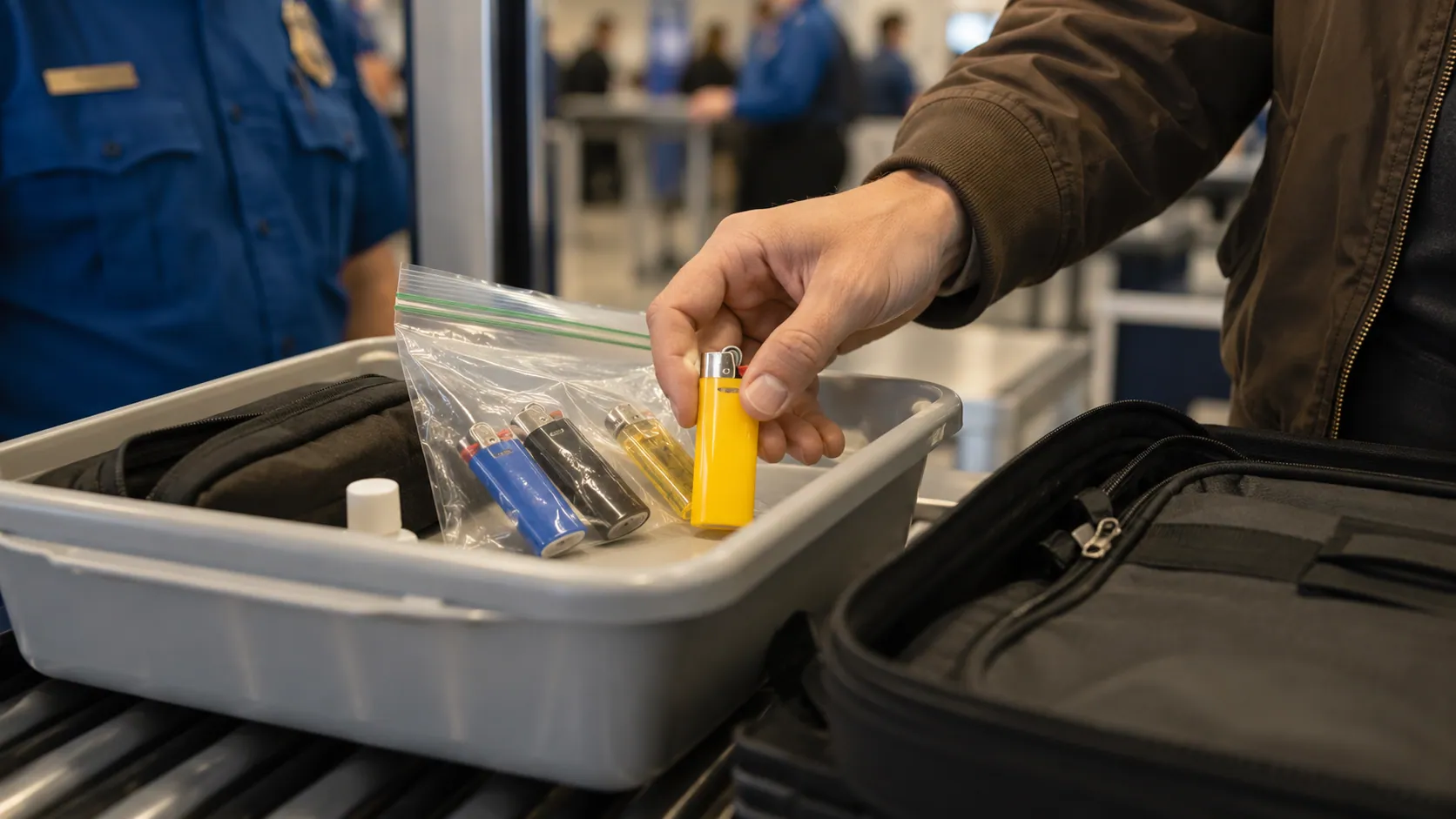
Can you take a lighter on the airplane? Yes, sometimes — but the real answer depends on what kind of lighter you have, where you pack it, and which country’s airport and airline rules apply. In the United States, the FAA says absorbed liquid-fuel and butane lighters are generally limited to one lighter per passenger in carry-on baggage or on your person, while lighters with fuel are prohibited in checked bags unless they meet a narrow approved-container exception. TSA also separates disposable/Zippo lighters, torch lighters, and arc/electronic lighters, because they are not treated the same. In the UK, the rule is stricter in practice: you can carry only one lighter, it must go in a resealable plastic bag at screening, and you must keep it on your person throughout the flight.
That difference is exactly why so many travelers get confused. A disposable lighter, a Zippo lighter, a torch lighter, and an electric or plasma lighter may all look like “just a lighter,” but airport security does not treat them the same way. Add in carry-on vs checked baggage, international flight lighter rules, and airline-specific lighter rules, and a simple packing question turns into a real pre-flight problem. This guide breaks it down in plain English so you know what is usually allowed, what is usually banned, and what you should double-check before you head to the airport.
Quick Answer: Which Lighters Are Allowed and Where?
Before going into details, here is the practical version most travelers need.
| Lighter type | Carry-on | On your person | Checked baggage | Key note |
| Disposable lighter / Bic lighter | Usually yes | Usually yes | Without fuel only | Fueled versions are generally prohibited in checked bags. |
| Zippo lighter | Usually yes | Usually yes | Without fuel only | Fueled Zippo-style lighters are generally not allowed in checked baggage. |
| Torch lighter / jet-flame lighter / butane torch lighter | No | No | No, unless in approved exception container | TSA forbids torch lighters in the cabin. FAA references a narrow approved-container exception in checked baggage. |
| Arc lighter / electric lighter / plasma lighter / e-lighter | Yes, with special instructions | Best treated as cabin item | No | TSA lists lithium-battery-powered and arc/electronic lighters as carry-on only. |
| Matches | Safety matches only, limited | Usually yes | No | UK and FAA guidance both restrict how many and what type. |
| Lighter fluid / butane refills | No | No | No | Fuel containers are forbidden in both carry-on and checked baggage. |
That table already shows the core SEO answer behind queries like can you put a lighter in carry-on luggage, can you put a lighter in checked baggage, and what kind of lighter is TSA approved: the lighter type matters more than travelers expect.
Can You Bring a Lighter in Carry-On, Checked Baggage, or on Your Person?
This is where most of the confusion starts. People ask can you bring a lighter on a plane, but what they really mean is one of three questions: Can it go in my carry-on? Can it go in my checked bag? Or do I have to keep it in my pocket?
For U.S. flights, the FAA PackSafe guidance says absorbed liquid-fuel and butane lighters are limited to one lighter per passenger in carry-on baggage or on one’s person. The FAA also adds an important detail many travelers miss: if your carry-on bag gets checked at the gate or planeside, the lighter must be removed and kept with you in the cabin. That makes “on your person” more than just a technical phrase — it can become the deciding factor when your bag stops being a carry-on at the last minute.
For checked baggage, the rule is much stricter. TSA says Disposable and Zippo lighters without fuel are allowed in checked bags, but lighters with fuel are prohibited in checked bags unless they comply with the narrow FAA-approved exception. That is why a traveler searching can you take a lighter on a plane in checked luggage needs a more specific answer than “yes” or “no.” The honest answer is usually: only if it has no fuel, or only under a special approved case exception.
The phrase lighter in hand luggage also changes meaning by country. In the UK, the government says you may carry only 1 lighter on board, place it in a resealable plastic bag at screening, and then keep it on your person throughout the flight. You cannot put it into hold luggage, and you cannot put it back into your hand luggage after screening. That is a sharper rule than many U.S.-focused articles explain, and it matters for people flying internationally or connecting through British airports.
So if you are asking can you keep a lighter in your pocket on a plane, the safest answer is: sometimes, and in some systems that is exactly where it must stay. But you still need to know what type of lighter it is first.
Which Types of Lighters Are Allowed on a Plane?
Search engines reward articles that separate lighter categories clearly because the official rules do exactly that. Below are the main categories travelers should know.
Disposable and Bic Lighters
For most people, this is the most common scenario. If you are asking can you take a disposable lighter on a plane or can you take a Bic lighter on a plane, the answer is usually yes in carry-on or on your person, at least under U.S. rules. The FAA groups butane lighters and absorbed liquid lighters into the allowed cabin category, limited to one lighter per passenger. TSA also allows Disposable and Zippo lighters in carry-on baggage.
Where travelers get into trouble is checked baggage. A Bic lighter or other disposable butane lighter may look harmless, but once it contains fuel and is placed in a checked suitcase, the rule changes. Fueled lighters are generally prohibited in checked bags. That means the best practice is simple: if you are flying with a standard disposable lighter, keep it in the cabin or on your person when allowed, not buried in your checked suitcase.
Zippo Lighters
A Zippo lighter gets searched separately because travelers know it is different from a cheap plastic disposable lighter. Under TSA guidance, Disposable and Zippo lighters are treated together for the basic carry-on rule. But fuel status matters. TSA says Zippo lighters without fuel are allowed in checked bags, while lighters with fuel are prohibited in checked bags.
The FAA adds nuance here. It distinguishes liquid-fuel lighters based on whether the fuel is absorbed or unabsorbed. Unabsorbed liquid-fuel lighters are forbidden, while absorbed liquid-fuel lighters may be allowed in the cabin or on your person. That means a traveler asking can you take a Zippo lighter on a plane should think beyond the brand name and ask, what kind of fuel design does my lighter use, and where am I packing it?
Torch, Jet-Flame, and Butane Torch Lighters
This is one of the clearest no-go categories. If your lighter produces a thin, intense jet flame, it likely counts as a torch lighter. TSA specifically says torch lighters create a hotter, more intense flame and are not allowed in carry-on or checked bags under the standard rule. The FAA’s lighter FAQ also explains that micro torches, chef torches, and utility torches are not treated like ordinary lighters and are forbidden unless carried under the narrow approved-container exception in checked baggage.
So if you are searching are torch lighters allowed on planes or can you take a butane lighter on a plane, be careful. A normal butane lighter and a butane torch lighter are not the same thing. One may be allowed in the cabin; the other is generally prohibited. That distinction is one of the biggest content gaps in weaker competitor articles.
Electric, Arc, Plasma, and Rechargeable Lighters
This is the newer category that confuses travelers because it combines fire-related rules with battery rules. TSA lists Arc Lighters, Electronic Lighters, and E-Lighters as allowed in carry-on bags with special instructions and not allowed in checked bags. TSA separately lists Lithium Battery Powered Lighters as Yes for carry-on, No for checked.
That means if you are wondering can you take an electronic lighter on a plane, can you take an arc lighter on a plane, can you take a plasma lighter on a plane, or can you take a rechargeable lighter on a plane, the safest answer is: carry-on only, never checked baggage, and make sure it cannot accidentally activate. The reason is not just the lighter function itself, but also the lithium batteries inside some models.
Are Lighters Allowed in Checked Bags? Fuel vs Empty Cases vs Approved Cases
A lot of articles oversimplify this question, but this is where readers really need precision. For checked baggage, there are three practical categories:
First, a lighter without fuel. TSA says Disposable and Zippo lighters without fuel are allowed in checked bags. That gives travelers a legal way to pack some empty lighters when necessary.
Second, a lighter with fuel. TSA says lighters with fuel are prohibited in checked bags. This is the standard answer most travelers should assume applies to them.
Third, the narrow exception. FAA materials say passengers may bring up to 2 additional lighters, including torch lighters, in checked baggage only if they are properly enclosed in a DOT-approved case. This is real, but it is a specialty exception, not the normal traveler rule. Most people do not own a compliant DOT-approved case, and most casual travel articles mention it without explaining how uncommon it is in practice.
So for the average reader asking can you put a lighter in checked baggage, the smartest advice is still: do not pack a fueled lighter in checked luggage. If your lighter is empty, check the specific type. If it is specialized, torch-style, or battery-powered, assume stricter handling rules and verify them before departure.
Can You Bring Matches, Lighter Fluid, or Refills on a Plane?
This is where travelers often make packing mistakes. Many people know to ask about the lighter itself, but forget that lighter fluid, butane refills, and even certain types of matches are separate regulated items.
According to the FAA lighter FAQ, containers of lighter fluid or gas (butane) are forbidden in carry-on and checked baggage. That means a traveler searching can you bring lighter fluid on a plane or can you take butane refills on a plane should assume the answer is no.
Matches are more nuanced. FAA materials indicate that one small book of safety matches may be carried on one’s person, while hazardous match types are not allowed. UK guidance similarly allows safety matches but not non-safety matches, and limits the quantity. That is why the phrase matches vs lighter on a plane matters: in some cases, safety matches are easier to carry legally than certain lighters, but only in very limited quantities and usually not in checked baggage.
If you want a one-line takeaway, it is this: the lighter may be allowed, but the fuel usually is not. That single rule would save a lot of travelers from unnecessary confiscation.
U.S. vs International Flights: Do Lighter Rules Change by Country, Airport, or Airline?
Yes — and this is one of the most important points competitors often under-explain.
In the United States, the most relevant baseline comes from TSA and FAA PackSafe. TSA focuses on security screening and baggage rules. FAA focuses on hazardous materials and transport safety. Together, they create the everyday U.S. framework most passengers follow.
But that framework does not automatically apply everywhere else. In the UK, the rule is more prescriptive: one lighter only, place it in a resealable plastic bag, and keep it on your person throughout the flight. You may not return it to hand luggage after screening. That is far more specific than the way many U.S.-focused blogs describe international flight lighter rules.
The larger lesson is that plane lighter rules by country can differ at three levels: national regulator, airport security operator, and airline policy. A traveler taking a lighter through one country’s airport may have a different experience in another, even when the lighter is the same. So if you are flying internationally, or even connecting internationally, always check both the departure country security rules and your airline-specific lighter rules.
This is also why content that says simply “yes, you can bring a lighter on an international flight” is too vague to be useful. A better answer is: sometimes, but only after checking the airport, airline, and country-specific rule set that applies to your journey.
What Happens If Airport Security Finds a Lighter in Your Bag?
Usually, the outcome depends on what kind of lighter it is, where it is packed, and whether the rule breach can be fixed immediately.
If you packed a standard lighter in the wrong place, the most common result is confiscation or being told to move it. If your carry-on gets checked at the gate and you forgot there was a lighter inside, the FAA says it must be removed and kept with you in the cabin.
If the item is something more restricted — like a torch lighter, lighter fluid, or butane refill — you should expect the item to be refused entirely. TSA’s torch-lighter rule is especially clear, so these are not the kind of items you want to “take a chance” with at the checkpoint.
Could airport security confiscate a lighter? Yes, absolutely, if it is packed improperly or if it violates the local rule set. And because TSA says the final decision rests with the officer on duty at the checkpoint, even technically allowed items can face extra scrutiny if the situation is unclear. That is one more reason to pack conservatively and keep rules handy before you travel.
Can You Take Cigarettes and a Lighter on a Plane?
In most routine cases, cigarettes themselves are not the problem. The issue is the lighter you pair with them. A traveler searching can you take cigarettes and a lighter on a plane usually can bring both, but only if the lighter follows the rules for its category. A standard disposable lighter is very different from a torch lighter or an electronic lighter.
It is also important not to confuse bringing smoking items with using them on the aircraft. Commercial flights are smoke-free, and the presence of ashtrays in lavatories exists for safety management, not permission. So yes, in many cases you can travel with cigarettes and a lighter, but that does not change onboard no-smoking rules.
A Practical Packing Checklist Before You Fly With a Lighter
The best way to avoid trouble is to think like airport security before you leave home.
Start by asking: What kind of lighter do I have? A disposable lighter, Zippo lighter, torch lighter, and plasma lighter can all trigger different rules.
Next ask: Does it contain fuel, or is it battery-powered? Fuel changes checked-bag legality. Batteries change whether the item must stay in the cabin.
Then ask: Where am I packing it? If there is any doubt, the safest rule for common lighters is usually cabin or on your person, not checked baggage. For UK travel, remember the plastic bag plus on-your-person rule.
Finally, ask: Does my airline or departure airport add extra restrictions? This last check is what separates smart packing from wishful packing. It takes a minute, and it can save you from losing the item at security.
FAQs
Can you take a lighter through TSA?
Often yes, but only if it is the right type and packed correctly. Disposable and Zippo lighters are generally allowed in carry-on, while torch lighters are not, and arc/electronic lighters are carry-on only.
Can you put a lighter in your carry-on bag?
For many common lighters, yes. The FAA allows one lighter per passenger for common butane and absorbed-liquid designs in carry-on or on one’s person.
Can you put a lighter in your checked suitcase?
Usually not if it contains fuel. TSA allows empty Disposable and Zippo lighters in checked bags, but fueled lighters are prohibited unless they meet the narrow approved-container exception.
Can you take a disposable lighter on a plane?
Usually yes, especially in the cabin or on your person, subject to local rules and quantity limits.
Can you take a Zippo lighter on a plane?
Usually yes in the cabin, but fuel matters, especially for checked baggage.
Can you take a torch lighter on a plane?
Normally no under standard passenger rules. TSA forbids torch lighters in the cabin, and they are heavily restricted overall.
Can you take an electric or plasma lighter on a plane?
Usually yes in carry-on only, no in checked baggage.
Can you keep a lighter in your pocket on a plane?
Sometimes yes, and in places like the UK, that is where it must remain after screening.
Can you bring matches and a lighter on a plane?
Sometimes, but quantity and type matter. Safety matches are treated differently from unsafe match types, and the lighter still has to follow its own category rule.
Final Verdict: The Safest Way to Travel With a Lighter
If you remember only one thing, remember this: a lighter is not just a lighter in airport rules. The safest answer to can you take a lighter on a plane is sometimes — and the right answer depends on the lighter type, fuel status, battery status, where you pack it, and which country or airline rules apply. Disposable and Zippo-style lighters are usually the easiest to carry legally in the cabin. Torch lighters are the riskiest and most often prohibited. Electronic, arc, and plasma lighters are typically carry-on only. Lighter fluid and butane refills are generally forbidden.
For the smoothest trip, check the rule set before you leave, keep a common lighter in your carry-on or on your person when allowed, avoid packing fueled lighters in checked baggage, and always verify departure country security rules and airline-specific lighter rules before you fly. That approach is safer, clearer, and far more reliable than trusting a generic yes-or-no answer.