
 By adnanshabbir942@gmail.com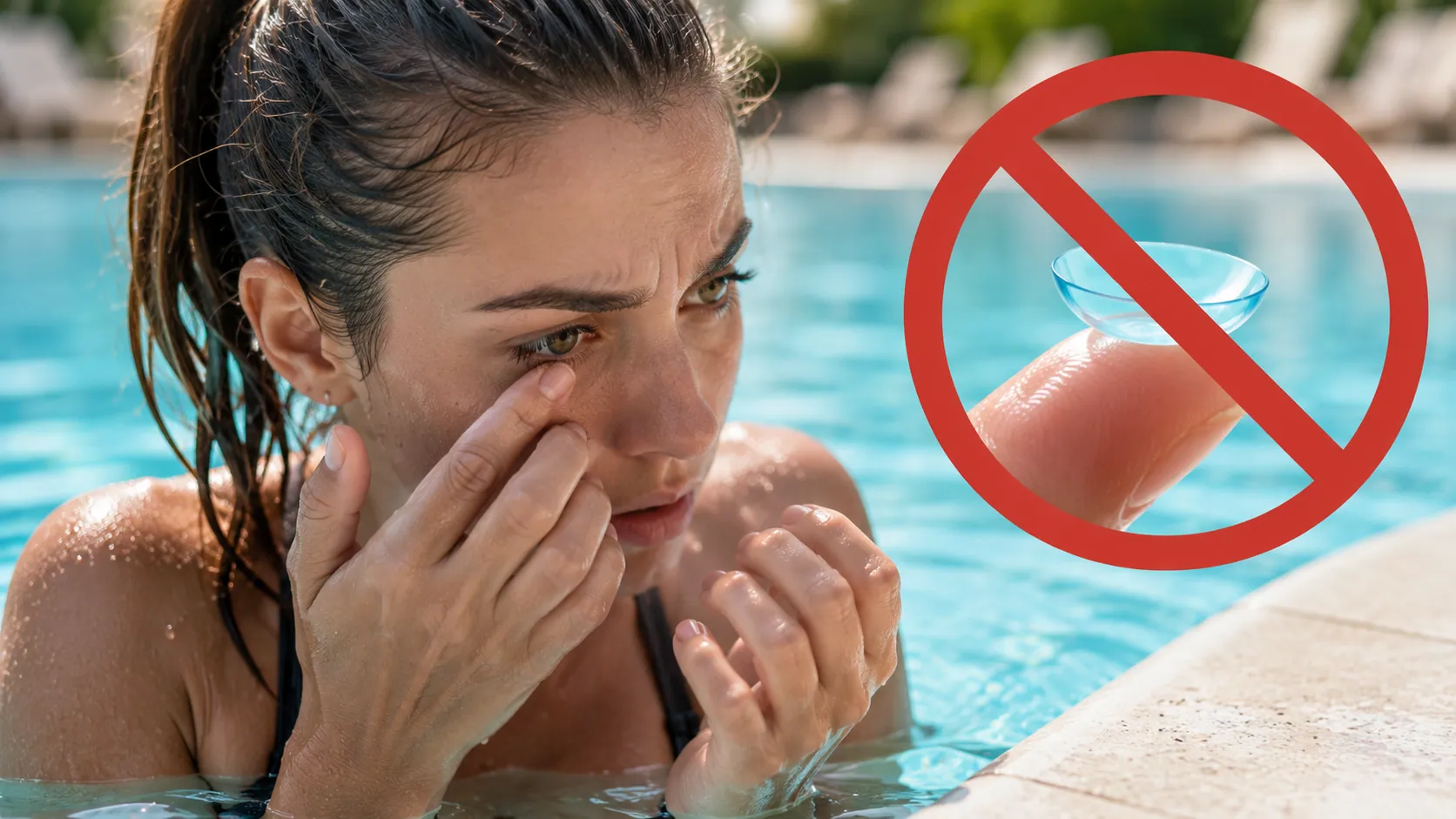
The safest answer is no — you should not wear contact lenses in the pool because pool water can expose your eyes to bacteria, microorganisms, chlorine, debris, and pathogens that may become trapped between the lens and your eye.
This can sound frustrating if you depend on contacts for clear vision, especially during summer, vacations, swim lessons, or pool parties. But even clean-looking chlorinated pool water is not sterile. The CDC says wearing contact lenses while swimming, using a hot tub, or showering may increase the risk of Acanthamoeba keratitis, a serious infection of the cornea. The FDA also advises people to remove contact lenses before swimming because bacteria in pool water, hot tubs, lakes, and oceans can increase the risk of eye infection.
If you need sharp vision in the water, the safer option is usually prescription swim goggles, not swimming with contacts.
Can You Wear Contacts in the Pool?
No, it is not recommended to wear contacts in the pool. This applies whether you wear soft contact lenses, daily disposable contact lenses, monthly lenses, or reusable contacts. The issue is not only the lens itself — it is the combination of contact lenses and wateThe safest answer is no — you should not wear contact lenses in the pool because pool water can expose your eyes to bacteria, microorganisms, chlorine, debrisr exposure.
When pool water gets into your eyes, your contact lenses can act almost like a tiny sponge or shield. Instead of the water washing away quickly, it may stay close to the cornea, which is the clear outer layer of the eye. That means chlorine, bacteria, chemicals, viruses, microbes, and tiny particles may sit against the eye longer than they normally would.
This is why swimming with contacts is different from simply getting water in your eyes. A person without contact lenses may still experience red or irritated eyes after swimming, but a contact lens wearer has an added risk because the lens can trap irritants and microorganisms.
You should also avoid opening your eyes underwater with contacts in. Even if your eyes stay closed most of the time, splashes and leaks can still happen. Pool water can get behind the lens, and that may lead to eye irritation, lens contamination, corneal abrasions, or eye infection.
So, if you are asking, “Is swimming with contacts safe?” the practical answer is: it is not worth the risk.
Why Pool Water and Chlorine Are Risky for Contact Lenses
Many people assume pool water is safe because it contains chlorine. Chlorine is a disinfectant, but it does not make a swimming pool completely sterile. Pool water can still contain pathogens, body oils, sweat, debris, microorganisms, and bacteria that survive or enter the water between cleaning cycles.
The main problem is that soft contact lenses are porous. They can absorb water and hold contaminants close to the eye. Once pool water gets onto the lens, the lens may become uncomfortable, tight, gritty, or dry. In some cases, it may even feel like the contact is stuck to the eye.
This is also why users often search questions like:
| Common Question | Simple Answer |
| Can chlorine damage contact lenses? | It may irritate the eyes and affect lens comfort. |
| Can contacts trap bacteria against your eye? | Yes, contaminated water can become trapped under or around the lens. |
| Can soft contact lenses absorb water? | Yes, soft lenses can absorb water and irritants. |
| Does chlorine kill pathogens on contact lenses? | Not reliably enough to make swimming with contacts safe. |
Pool chemicals can also worsen dryness and irritation. If your contacts feel dry, gritty, or tight after swimming, it may be because the lens has absorbed pool water or because chemicals and debris are irritating the surface of the eye.
This is why contact lens hygiene matters so much. Contact lenses should only be cleaned and stored with approved contact lens solution, not pool water, tap water, bottled water, or homemade saline.
Acanthamoeba Keratitis and Other Eye Risks
One of the biggest reasons eye-care professionals warn against wearing contact lenses in water is the risk of Acanthamoeba keratitis. Acanthamoeba is a microorganism that can be found in water and soil. When it gets trapped between a contact lens and the eye, it can infect the cornea.
Acanthamoeba keratitis is considered rare, but it can be serious. The CDC notes that it is most common among people who wear contact lenses, and water exposure such as swimming, showering, or hot tub use while wearing contacts may increase the risk of infection.
This does not mean everyone who swims with contacts will get an infection. But the risk is serious enough that the safer advice is to avoid exposing contact lenses to water altogether.
Possible problems from swimming with contact lenses include:
| Eye Risk | What It Means |
| Eye irritation | Burning, stinging, dryness, or redness after swimming |
| Corneal abrasion | A scratch on the cornea caused by debris, dryness, or a lens rubbing the eye |
| Corneal ulcer | An open sore on the cornea that may be linked to infection |
| Acanthamoeba keratitis | A serious corneal infection associated with water exposure |
| Permanent vision loss | A rare but severe outcome of untreated or serious infection |
A practical quote-style takeaway would be: “If water touches your contacts, treat the lenses as contaminated — not clean.”
That mindset helps prevent risky habits like putting the same contacts back in, rinsing them with tap water, or sleeping in lenses after pool exposure.
What to Do If You Already Swam With Contacts In
If you already wore contacts in the pool, do not panic — but do take it seriously. Many people accidentally swim with contacts once and never develop a problem. Still, your next steps matter because they can reduce the chance of irritation or infection.
Here is what to do:
- Wash and dry your hands first.
Do not touch your eyes or lenses with wet, dirty, or pool-contaminated hands. - Remove your contacts as soon as possible.
If the lenses feel stuck, do not force them out. Use approved lubricating eye drops or contact-safe rewetting drops, then try again gently. - Throw away daily disposable lenses.
If you wear daily contacts, discard them after water exposure. Do not reuse them later. - Clean and disinfect reusable lenses properly.
If you wear reusable or monthly lenses, clean them only with approved contact lens solution. Some eye-care guidance recommends extended disinfection after water exposure, but if your eyes are irritated, replacing the lenses may be the safer choice. - Use glasses for the rest of the day if your eyes feel irritated.
Give your eyes a break. Wearing contacts again too soon may worsen dryness, redness, or discomfort. - Monitor symptoms.
Watch for red eyes, eye pain, blurred vision, light sensitivity, swelling, watery eyes, mucus-like discharge, or the feeling that something is stuck in your eye. - Call an eye doctor if symptoms appear or worsen.
Do not wait several days if you have pain, vision changes, or strong light sensitivity.
A common mistake is thinking, “My contacts look fine, so they must be clean.” Contact lenses can look normal while still carrying microorganisms or irritants. The FDA specifically warns not to expose contacts to water and says contact lenses should be removed before swimming.
Should You Rinse Contacts With Water After Swimming?
No. You should never rinse contacts with water after swimming. That includes tap water, pool water, bottled water, distilled water, lake water, ocean water, or shower water.
This is one of the most important safety points in the article because many users think rinsing contacts with water will clean them. It does the opposite. Water can introduce microorganisms to the lens and the contact lens case. The CDC advises contact lens wearers to avoid rinsing or storing contacts in water and to use contact lens solution for cleaning.
Use only fresh, approved contact lens solution. Do not “top off” old solution in your lens case. If your case may have been contaminated, replace it. A dirty or wet case can reintroduce bacteria to the lenses even after you think they are clean.
A simple rule: contacts and water do not mix.
Can You Swim With Contacts If You Wear Goggles?
A common follow-up question is: can you wear contacts in the pool with goggles?
Swim goggles can reduce water exposure, but they do not make swimming with contacts completely safe. Goggles can leak, slip, fog up, or let water in when you dive, splash, or swim actively. Even a small leak can allow pool water to reach your contacts.
That said, if someone absolutely must be near water and needs vision correction, tight-fitting goggles with a good seal are better than swimming with bare eyes and contacts. But the safer choice is still prescription swim goggles, because they give you clearer vision without placing contact lenses directly on the eye.
Here is a quick comparison:
| Option | Safety Level | Best Use |
| Contacts in pool without goggles | Not recommended | Avoid |
| Contacts under swim goggles | Lower exposure but still risky | Not ideal; goggles may leak |
| Prescription swim goggles | Safer practical option | Swimming, lessons, pool exercise |
| Swim mask with prescription inserts | Good alternative | Snorkeling, vacation swimming |
| Glasses outside the pool | Safe outside water | Poolside use |
If your main concern is poor vision, prescription swim goggles are usually the best solution. They can help with clear vision, reduce the temptation to wear contacts in pool water, and protect your eyes from splashes.
Are Daily Contacts, Monthly Contacts, or Kids’ Contacts Any Safer?
Some people ask whether daily disposable contact lenses are safer for swimming because they can be thrown away afterward. Daily lenses may reduce the risk of reusing a contaminated lens, but they still do not make swimming safe.
The problem happens while the lens is on your eye. Even if you plan to throw it away later, pool water can still get trapped between the lens and your cornea during swimming. That means daily contacts, monthly lenses, reusable contact lenses, and specialty lenses all carry risk when exposed to water.
Monthly and reusable lenses may add another concern: if they are not cleaned correctly, they can carry contamination into the lens case and back onto the eye later. That is why proper contact lens hygiene, fresh solution, and a clean case are so important.
Parents should be especially careful with children and teenagers. Kids and teens should not wear contacts in the pool, especially during swim lessons, swim team practice, public pool visits, water parks, or hotel pool use. Younger swimmers may open their eyes underwater, rub their eyes, forget hygiene steps, or keep lenses in too long after swimming.
For children who need vision correction in the water, ask an eye doctor about kids’ prescription swim goggles. They are often a safer and more practical option than trying to manage contacts around pool water.
Also, avoid sleeping or napping in contacts after swimming. If the lenses were exposed to water, sleeping in them may increase irritation and infection risk.
Pool vs Ocean vs Lake vs Hot Tub: Is Any Water Safe for Contacts?
No type of water is truly safe for contact lenses. The FDA warns against exposing contact lenses to water and specifically mentions the risk of infection from swimming pool water, hot tubs, lakes, and the ocean.
Here is how different water types compare:
| Water Type | Contact Lens Risk | Why It Matters |
| Swimming pool | Risky | Chlorine does not remove all microorganisms and may irritate eyes |
| Saltwater pool | Risky | Still not sterile and may still irritate lenses and eyes |
| Ocean water | Risky | Saltwater, debris, and microbes can get trapped under contacts |
| Lake or river water | Risky | Freshwater may contain microorganisms linked to eye infection |
| Hot tub | Higher risk | Warm water can support microbial growth and irritate eyes |
| Shower or tap water | Risky | Water is not sterile for contact lenses |
This means the same basic rule applies in a hotel pool, public pool, backyard pool, cruise pool, indoor pool, heated pool, beach, lake, hot tub, or shower: remove contacts before water exposure.
Even if the water looks clean, you cannot see bacteria, pathogens, or microorganisms. Clean-looking water can still be unsafe for contact lenses.
Symptoms to Watch for After Swimming With Contacts
After swimming with contacts, mild irritation may improve once you remove the lenses and rest your eyes. But some symptoms should be taken seriously, especially if they do not improve or if they get worse.
Watch for:
- Eye pain
- Redness
- Burning or stinging
- Blurred vision
- Cloudy vision
- Light sensitivity
- Excessive tearing
- Watery eyes
- Eye discharge
- Mucus-like discharge
- Swelling
- A gritty feeling
- Feeling like something is stuck in the eye
The tricky part is that a contact lens-related eye infection may not always feel severe immediately. Some symptoms can become more noticeable later. That is why users often search for delayed eye infection after swimming with contacts or how long after swimming can an eye infection appear.
Do not ignore pain or vision changes. A scratch on the cornea, a corneal ulcer, or Acanthamoeba keratitis needs professional care. Waiting too long can make treatment harder.
If your eyes simply feel dry, use contact-safe lubricating drops or preservative-free artificial tears, but do not use drops as a substitute for medical care if symptoms are serious.
When to Call an Eye Doctor
You should call an eye doctor, optometrist, or ophthalmologist if you have symptoms after swimming with contacts, especially if they are painful, unusual, or persistent.
Seek professional help if you notice:
| Symptom | Why It Matters |
| Pain that does not go away | May suggest corneal irritation, abrasion, or infection |
| Blurred or cloudy vision | Could signal corneal involvement |
| Light sensitivity | Can be a warning sign of inflammation or infection |
| Discharge | May suggest infection |
| Severe redness | More concerning than mild irritation |
| Feeling something is stuck in the eye | May indicate a scratch or trapped debris |
Do not put contacts back in if your eyes are red, painful, or blurry. Wear glasses and arrange an eye exam. If symptoms are severe, urgent eye care is better than waiting.
This is especially important because some serious contact lens infections can affect the cornea, and the cornea is essential for clear vision.
Best Alternatives to Wearing Contacts in the Pool
The best alternative to wearing contacts in the pool is usually prescription swim goggles. They solve the biggest problem — needing clear vision — without putting a contact lens directly on your eye in water.
Good options include:
Prescription swim goggles: These are useful for regular swimmers, kids in swim lessons, people with nearsightedness, and anyone who wants clear vision in the pool.
Swim masks with prescription inserts: These may work well for snorkeling, vacation swimming, or people who want a wider field of vision.
Glasses before and after swimming: You cannot swim comfortably with regular glasses, but keeping a spare pair nearby helps you remove contacts before entering the water.
Daily disposable contacts for non-water activities: Daily lenses can be convenient for travel or sports, but they should still be removed before swimming.
LASIK or PRK: For some adults, laser vision correction may be a long-term option, though it requires an eye exam and professional advice.
Here is a simple case study example:
Case Study:
A teenager wears monthly contacts for school and joins a swim team. At first, they try wearing contacts under goggles, but the goggles leak during practice. Their eyes become red and dry after swimming. A better plan is to use prescription swim goggles during practice, remove contacts before entering the pool, and wear glasses afterward. This protects the eyes while still giving the swimmer clear vision.
The goal is not just comfort. It is preventing avoidable eye infection, lens contamination, and corneal irritation.
Quick Safety Tips for Contact Lens Wearers Around Pools
If you wear contacts and spend time around pools, keep these safety tips in mind:
- Remove contacts before swimming.
- Use prescription swim goggles if you need clear vision in the water.
- Do not rinse contacts with water.
- Do not store lenses in water.
- Use fresh contact lens solution every time.
- Keep a clean contact lens case.
- Bring backup glasses on swimming trips.
- Avoid rubbing your eyes after pool exposure.
- Throw away daily lenses after accidental water exposure.
- Call an eye doctor if pain, redness, discharge, blurry vision, or light sensitivity appears.
For vacations, water parks, hotel pools, or cruises, pack a small contact lens travel kit with glasses, fresh solution, a clean case, rewetting drops, and backup lenses. Better yet, bring prescription goggles so you do not feel tempted to swim in contacts.
FAQs About Wearing Contacts in the Pool
Can you wear contacts in the pool for a short time?
It is still not recommended. Even brief exposure can allow pool water to get behind the lens. One short swim may not always cause a problem, but it still creates unnecessary risk.
What if pool water only splashed in my contacts?
Wash and dry your hands, remove your lenses, and either throw them away if they are daily disposables or disinfect reusable lenses properly. Wear glasses if your eyes feel irritated and watch for symptoms.
Should I throw away contacts after swimming?
If they are daily disposable contacts, yes, throw them away. If they are reusable lenses, clean and disinfect them with approved solution, but consider replacing them if your eyes are irritated or if you are unsure they are safe.
Can you wear contacts in a saltwater pool?
No. A saltwater pool is still not sterile. Saltwater and pool chemicals can still irritate your eyes and contaminate contact lenses.
Can contacts get stuck after swimming?
Contacts may feel stuck because they become dry or tight. Do not force them out. Use contact-safe lubricating drops, blink gently, and seek help if the lens does not move or your eye hurts.
Can you swim with contacts if you keep your eyes closed?
Keeping your eyes closed may reduce exposure, but it does not remove the risk. Splashes, leaks, and accidental eye opening can still let pool water reach the lenses.
Are waterproof contact lenses available?
There are no truly waterproof contact lenses that make swimming risk-free. Contacts should still be kept away from pool water, ocean water, lake water, hot tubs, showers, and tap water.
How soon can I wear contacts again after swimming?
Wait until your eyes feel normal. If you have redness, pain, dryness, blurry vision, or irritation, wear glasses and avoid putting contacts back in. Call an eye doctor if symptoms persist or worsen.
Can you shower with contacts after swimming?
No. Shower water is also not safe for contacts. The CDC advises contact lens wearers to remove lenses before water activities such as showering or swimming.
Can swimming with contacts cause blindness?
It is rare, but severe infections linked to contact lens water exposure can threaten vision. That is why Acanthamoeba keratitis, corneal ulcers, and worsening eye symptoms should be taken seriously.
Conclusion
Can you wear contacts in the pool? The safest answer is no. Pool water, even when chlorinated, can contain bacteria, microorganisms, chemicals, and pathogens that may become trapped under contact lenses and irritate or infect the eye.
If you already swam with contacts, remove them with clean hands, discard daily lenses, disinfect reusable lenses properly, and watch for symptoms like eye pain, redness, blurred vision, discharge, or light sensitivity. For safer swimming, choose prescription swim goggles, swim masks with prescription inserts, or glasses outside the pool.
Clear vision matters, but protecting your cornea, eye health, and long-term vision matters more.