
 By adnanshabbir942@gmail.com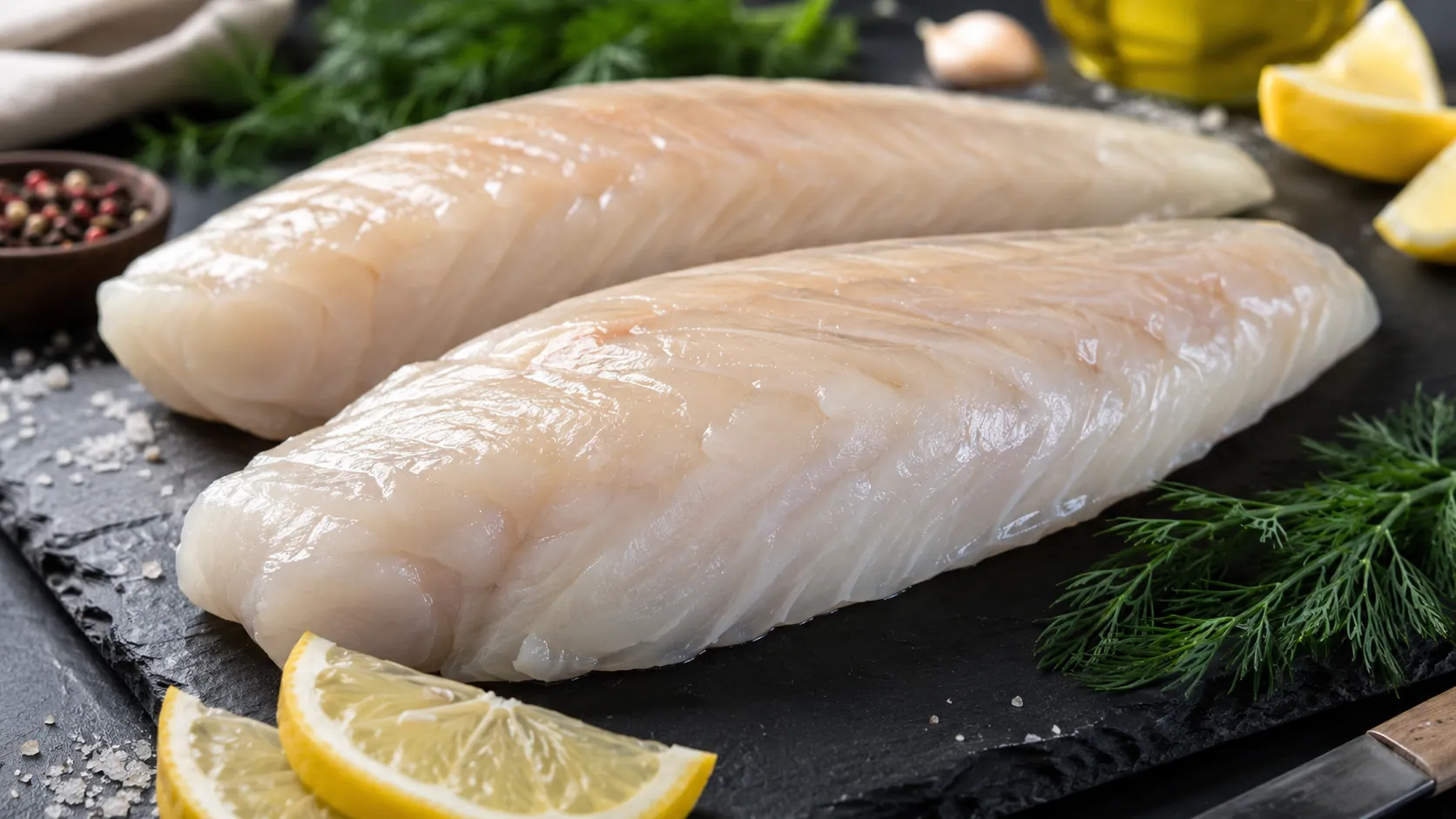
Alaskan seiti is a mild, lean white fish most commonly understood as Alaska Pollock, a popular seafood used in frozen fillets, fish sticks, surimi, and many everyday meals. If you have seen the term alaskanseiti, Alaska Pollock seiti, or mintai on a food label, nutrition page, or recipe, it usually points to the same fish known scientifically as Gadus chalcogrammus.
Many people search for what is alaskan seiti because the name can feel confusing. Some pages use Finnish terms like ravintosisältö, kalorit, and proteiini, while English searches focus more on alaskan seiti nutrition, alaskan seiti calories, cooking tips, and health benefits. This guide explains everything in simple language: what it is, where it comes from, how many calories it has, how it tastes, how to cook frozen alaskan seiti, and whether it is a good choice for your diet.
What Is Alaskan Seiti?
Alaskan seiti usually refers to Alaska Pollock, a cold-water fish from the cod family. In Finnish, it is commonly written as alaskanseiti, while another related name is mintai. Its scientific name is Gadus chalcogrammus, though older scientific references may also mention names such as Theragra chalcogramma.
In simple terms, alaskan seiti is a mild, white, low-fat fish. It belongs to the broader group of turskakalat, or cod-like fish, which includes several popular seafood species. It is not the same as salmon because salmon is richer, oilier, and stronger in flavor. Alaskan seiti is lighter, softer, and more neutral, which makes it easy to use in many recipes.
This fish is widely used because it is affordable, versatile, and easy to process. You may find it in frozen fish fillets, kalapuikot, fish fingers, fish and chips, and surimi products such as imitation crab or crab sticks. Many people eat it without even realizing it because it is often used in prepared seafood products.
The biggest reason users search for alaskan seiti meaning is that the name appears differently across regions. In grocery stores, it may be labeled as Alaska Pollock, Alaska Pollock seiti, alaskanseiti, or simply white fish.
Is Alaskan Seiti the Same as Alaska Pollock?
Yes, in most food and nutrition contexts, alaskan seiti is the same as Alaska Pollock. The word alaskanseiti is commonly used in Finnish and Nordic food contexts, while Alaska Pollock is the more familiar English name.
However, confusion happens because the word seiti can sometimes be associated with other white fish names, especially in translation or regional labeling. Some users wonder whether alaskan seiti is pollock or cod, while others compare it with saithe, Pacific cod, or haddock. For SEO and food clarity, the safest explanation is this: alaskan seiti usually means Alaska Pollock, but always check the product label for the exact species name.
If the label says Gadus chalcogrammus, it is Alaska Pollock. If it says another scientific name, then the product may be a different type of cod-family fish. This matters for people comparing alaskan seiti vs cod, checking allergies, or following a specific diet.
In cooking, though, alaskan seiti behaves much like other mild white fish. It flakes easily, absorbs seasoning well, and works in baked, fried, steamed, or breaded dishes.
Where Does Alaskan Seiti Come From?
Alaskan seiti, or Alaska Pollock, is mainly connected with the North Pacific. Important geographic entities include the Bering Sea, Gulf of Alaska, Sea of Japan, Alaska, and parts of the Pacific near California. It is usually considered a wild-caught cold-water fish rather than a farmed fish.
This fish often lives in deeper waters. Competitor data connects it with depths around 100–300 meters, with some references mentioning it can go as deep as 700 meters. Its average size is often described around 55–75 cm, depending on age, habitat, and fishery conditions.
Alaskan seiti is also a major commercial fish. It is important in global seafood markets because it provides a large amount of affordable white fish for frozen meals, fish sticks, surimi, and other processed seafood. Regions such as the Bering Sea and Alaskanlahti are especially important for pollock fisheries.
Because this fish is so widely harvested, sustainability and responsible sourcing matter. That is why shoppers often look for terms like MSC, Marine Stewardship Council, wild-caught fish, and responsibly sourced seafood when buying frozen alaskan seiti.
Alaskan Seiti Nutrition Facts Per 100 g
One of the most searched topics is alaskan seiti nutrition, especially alaskan seiti calories per 100 g. Plain alaskan seiti is generally a low-calorie fish, high-protein fish, and low-fat fish. Nutrition can vary by brand, water content, salt, breading, and preparation method, but plain fish usually has a simple macro profile.
Here is a helpful nutrition table based on the competitor nutrition patterns:
| Nutrient | Approximate Amount per 100 g |
| Calories | 71–75 kcal |
| Protein | 16–17 g |
| Carbohydrates | 0 g |
| Fat | Around 0.8 g to <1 g |
| Salt | Around 0.3 g, depending on product |
These numbers make alaskan seiti attractive for people tracking kalorit, kcal, ravintosisältö, proteiini, hiilihydraatti, rasva, and suola. In English, that means calories, protein, carbohydrates, fat, and salt.
Plain alaskan seiti has 0 g carbohydrates, which makes it suitable for many low-carb meals. The 16–17 g protein per 100 g also makes it useful for people who want lean protein without many calories. However, breaded or fried products are different. Fish fingers, paneroitu fillets, and ready-made frozen meals may contain extra carbs, fat, sodium, and calories.
So, when checking alaskan seiti calories, always compare plain fillets with processed versions.
Health Benefits of Alaskan Seiti
The main alaskan seiti benefits come from its lean nutrition profile. It is not a miracle food, but it can be a useful part of a balanced diet.
First, alaskan seiti is a strong source of lean protein. Protein helps support muscle maintenance, fullness, and balanced meals. With around 16–17 g protein per 100 g, it can fit well into lunches and dinners without making the meal too heavy.
Second, it is naturally low in calories. With roughly 71–75 kcal per 100 g, plain alaskan seiti is lighter than many richer fish and meat options. This is why users often search is alaskan seiti good for weight loss or alaskan seiti benefits for weight loss. It can be helpful for weight management when baked, steamed, grilled, or pan-cooked with a small amount of oil.
Third, it has very little fat. Unlike salmon, which is oily and rich, alaskan seiti is a vähärasvainen kala, meaning a low-fat fish. That makes it easy to pair with healthy fats such as olive oil, avocado, nuts, or yogurt-based sauces.
Finally, it is naturally low in carbohydrates. Plain alaskan seiti has 0 g carbohydrates, so it can work in low-carb, diabetic-friendly, or keto-style meals, depending on the full recipe. The key is to avoid heavy breading, sugary sauces, and deep frying if your goal is a lighter meal.
What Does Alaskan Seiti Taste Like?
Alaskan seiti has a mild, clean, slightly sweet taste. It is not usually strong or oily, which is why many people who dislike “fishy” seafood still enjoy it. In Finnish competitor language, it is close to miedon makuinen kala, meaning mild-flavored fish.
The texture is soft and flaky when cooked correctly. It is less firm than some cod fillets but still holds together well enough for baking, pan-frying, and fish cakes. Because the flavor is neutral, it absorbs lemon, herbs, garlic, butter, spices, curry sauces, tomato sauces, and marinades very well.
If alaskan seiti tastes watery, bland, or rubbery, the problem is usually not the fish itself. It may be caused by poor thawing, too much surface moisture, overcooking, or using low-quality frozen fillets with freezer burn. Patting the fish dry before cooking can make a big difference.
Common Uses of Alaskan Seiti
Alaskan seiti is one of the most practical fish used in everyday food products. Because it is mild, affordable, and easy to process, it appears in many forms.
You may find it as frozen fish fillets, fileepalat, annospalat, kalakuutiot, and plain frozen blocks. It is also widely used in kalapuikot, fish sticks, fish fingers, and fish and chips. These products are popular because the fish has a mild taste and a flaky texture that works well with breading.
Another major use is surimi. Surimi is a processed seafood paste often used to make crab sticks, surimipuikot, and imitation crab. Many consumers do not realize that imitation crab is often made from pollock-type white fish rather than real crab.
Alaskan seiti also appears in fast-food-style fish sandwiches and frozen ready meals. In home kitchens, it works well in soups, casseroles, fish tacos, curries, burgers, and simple baked fish dinners.
How to Cook Frozen Alaskan Seiti
Learning how to cook alaskan seiti is simple, but frozen fish needs the right handling. The most common mistake is cooking it while it is too wet. That can make the texture soft, watery, or bland.
For best results, thaw frozen alaskan seiti in the refrigerator overnight. If you need a faster method, keep it sealed and place it in cold water until thawed. Avoid leaving fish at room temperature for long periods.
Once thawed, pat the fillets dry with a paper towel. This helps seasoning stick and allows the fish to brown better. Season it with salt, black pepper, lemon juice, garlic, paprika, dill, parsley, or other yrtit. Because alaskan seiti is mild, it benefits from bright and aromatic flavors.
You can cook it in several ways. For baked alaskan seiti, place the fillets in a baking dish with lemon, herbs, and a light drizzle of oil. For pan-fried alaskan seiti, use medium heat and cook gently until the fish flakes. For air fryer alaskan seiti, lightly season and cook until firm and opaque. For soups and curries, add it near the end so it does not overcook.
The fish is ready when it turns opaque and flakes easily with a fork. Overcooking can make it dry or rubbery, so keep the cooking time short and gentle.
Easy Alaskan Seiti Recipe Ideas
There are many simple alaskan seiti recipes that work for quick meals. A basic baked version is one of the easiest: place the fillet in a dish, add lemon, garlic, herbs, a little oil, and bake until flaky. This is a good option for people who want a light dinner with vegetables, rice, or potatoes.
For a crispier meal, try pan-fried alaskan seiti with a light coating of flour or breadcrumbs. This gives a texture similar to fish and chips without needing deep frying. You can also use an air fryer for a lighter crispy result.
Alaskan seiti also works well in fish tacos. Season it with paprika, cumin, lime, and garlic, then serve it in tortillas with cabbage, yogurt sauce, and salsa. For colder months, it can be added to fish soup, seafood curry, or a creamy casserole. If you want a family-friendly meal, mix cooked flakes with mashed potato, herbs, and egg to make fish cakes or burgers.
Because the fish is mild, it can adapt to many cuisines. That is one reason it is popular in frozen seafood products and home cooking.
Alaskan Seiti vs Other White Fish
Many users compare alaskan seiti vs cod, alaskan seiti vs saithe, alaskan seiti vs tilapia, and alaskan seiti vs salmon before buying. The main difference is taste, texture, fat content, and price.
| Fish | Taste | Texture | Best For |
| Alaskan seiti / Alaska Pollock | Mild and light | Soft, flaky | Frozen fillets, fish sticks, surimi |
| Cod | Mild, slightly cleaner | Firmer flakes | Baking, frying, premium fillets |
| Saithe | Stronger seafood taste | Firmer | Stews, smoked dishes |
| Haddock | Mild-sweet | Delicate | Fish and chips |
| Tilapia | Very mild | Soft | Budget meals |
| Salmon | Rich and oily | Firm | Grilling, omega-3 meals |
If you want a budget-friendly white fish, alaskan seiti is a good option. If you want firmer texture, cod or haddock may be better. If you want richer flavor and more healthy fats, salmon is the stronger choice. For most everyday meals, alaskan seiti works well because it is mild, affordable, and easy to season.
Is Alaskan Seiti Sustainable?
Many shoppers ask, is alaskan seiti sustainable? The answer depends on the fishery, source, and certification. Alaska Pollock sustainability is an important topic because pollock is one of the world’s major commercial fish.
Alaskan seiti is often connected with the Bering Sea pollock fishery and Gulf of Alaska pollock fishery. These fisheries are usually discussed in relation to science-based management, quotas, bycatch controls, and responsible harvesting. Terms like NOAA Fisheries, North Pacific Fishery Management Council, MSC certified pollock, and Marine Stewardship Council are important when checking seafood sourcing.
As a buyer, look for labels such as MSC, wild-caught Alaska Pollock, or responsibly sourced seafood. These labels do not make every product perfect, but they give better traceability and show that the fish comes from a monitored supply chain.
Sustainability can also vary by region and year. That is why it is better to check the label rather than assume every product is equal.
How to Buy, Store, and Thaw Alaskan Seiti
When buying alaskan seiti, check the label first. Look for the name Alaska Pollock, Alaska Pollock seiti, or the scientific name Gadus chalcogrammus. Also check whether the fish is plain, breaded, salted, flavored, or processed.
Plain frozen fillets are usually the best choice if you want control over calories, salt, and ingredients. Breaded fish sticks or paneroitu fillets may taste good, but they often contain more calories, carbohydrates, oil, and sodium.
Brands and retailers may include names such as Ocean Sea, Lidl, Pirkka, Rainbow, K Menu, Xtra, and Findus. Instead of choosing only by brand, compare nutrition labels. Check kalorit, proteiini, rasva, hiilihydraatti, and suola per 100 g.
For storage, keep frozen alaskan seiti fully frozen until ready to use. Avoid packages with ice crystals, broken seals, strong odor, or visible freezer burn. To thaw, place it in the refrigerator overnight or use the cold-water method while sealed. After thawing, cook it soon for the best texture and flavor.
Safety: Mercury, Allergens, and Processed Products
Alaskan seiti is generally treated like other common white fish, but there are still safety points to consider. The biggest concern is fish allergy. Anyone allergic to fish should avoid alaskan seiti unless advised otherwise by a qualified health professional.
People also search for alaskan seiti mercury level, especially for children and pregnancy. As with all seafood, it is smart to follow official local fish-consumption guidance if you are pregnant, feeding young children, or managing a medical condition.
Another safety point is sodium and processing. Plain alaskan seiti is naturally simple, but processed products such as fish sticks, breaded fillets, surimi, and flavored ready meals may contain more salt, additives, and refined carbohydrates. If you are watching blood pressure, calories, or overall diet quality, compare labels carefully.
A helpful rule is simple: plain frozen fillets are usually the cleanest option, while breaded and processed versions should be enjoyed more moderately.
FAQs About Alaskan Seiti
What is alaskan seiti?
Alaskan seiti is usually another name for Alaska Pollock, a mild white fish also known as alaskanseiti or mintai.
Is alaskan seiti the same as Alaska Pollock?
Yes, in most food contexts, alaskan seiti refers to Alaska Pollock, scientifically called Gadus chalcogrammus.
How many calories are in alaskan seiti?
Plain alaskan seiti usually has around 71–75 kcal per 100 g, depending on the product and brand.
Is alaskan seiti healthy?
Yes, plain alaskan seiti can be a healthy choice because it is low in calories, low in fat, and provides about 16–17 g protein per 100 g.
Does alaskan seiti have carbohydrates?
Plain alaskan seiti typically has 0 g carbohydrates, but breaded fish sticks or processed products may contain added carbs.
What does alaskan seiti taste like?
It tastes mild, clean, and slightly sweet. It is less oily than salmon and less strong than many other seafood options.
Can you cook alaskan seiti from frozen?
You can, but thawing first usually gives better texture. Pat it dry before cooking to avoid watery fish.
Is alaskan seiti used in surimi?
Yes, Alaska Pollock is commonly used in surimi, crab sticks, imitation crab, and many frozen seafood products.
Conclusion
Alaskan seiti is a mild, affordable, and protein-rich white fish most commonly linked with Alaska Pollock. It is low in calories, naturally low in fat, and usually contains about 16–17 g protein per 100 g, making it useful for balanced meals, weight management, and simple everyday cooking.
Its biggest strengths are versatility and convenience. You can bake it, pan-fry it, air fry it, add it to soups, use it in tacos, or find it in fish sticks and surimi. For the best choice, look for plain frozen fillets, check the label for Gadus chalcogrammus, compare salt and calories, and choose responsibly sourced options when possible.
Disclaimer:
This article is for general informational purposes only and is intended to help readers better understand alaskan seiti, its nutrition, uses, and related considerations. Individual results, dietary needs, preferences, and situations may vary, so readers should use the information as general guidance rather than personal advice.