
 By adnanshabbir942@gmail.com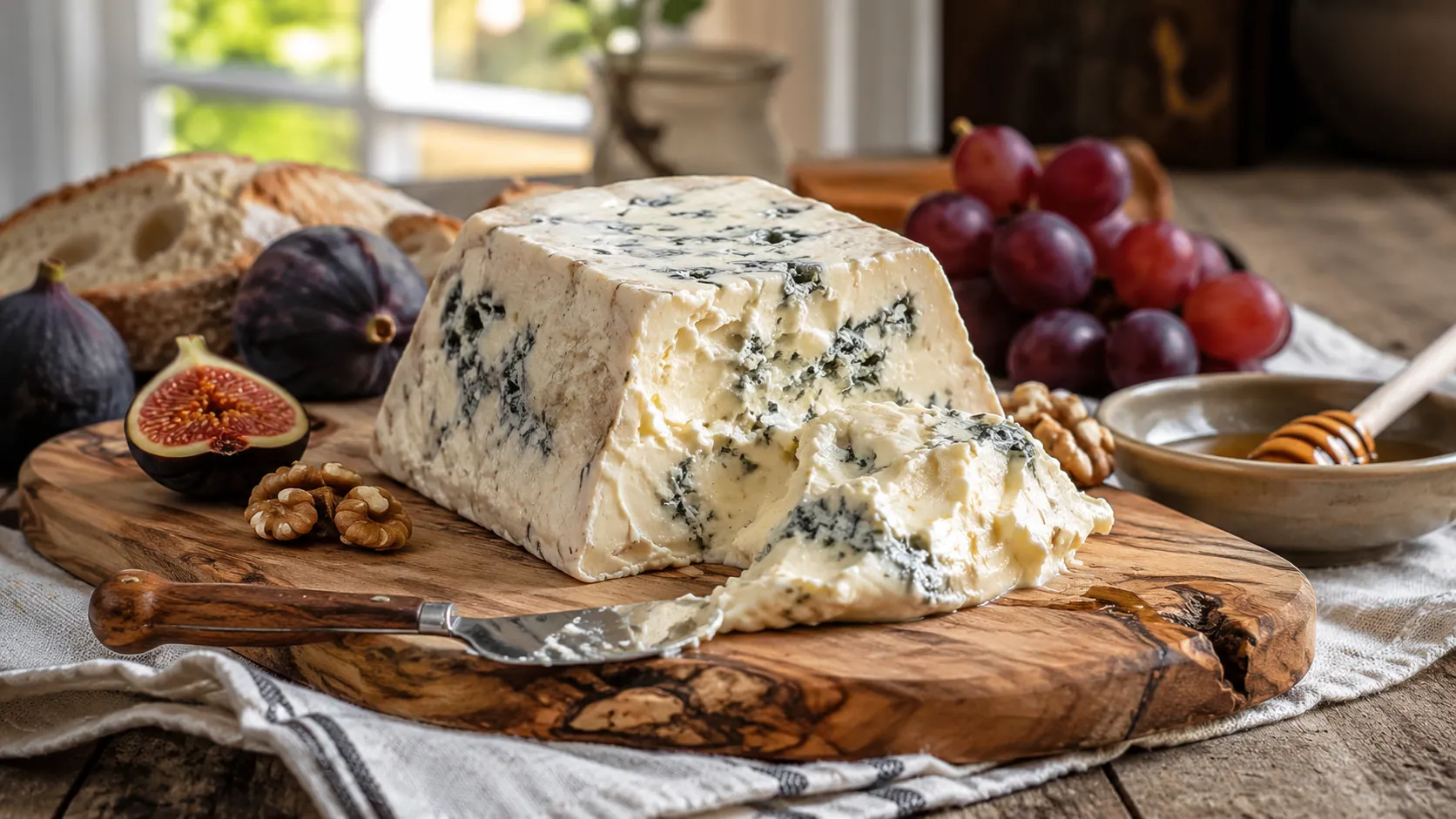
Masgonzola is a creamy, flavorful cheese often understood as a fusion-style cheese that brings together the rich softness of mascarpone and the tangy character of gorgonzola. For many people, the word sounds unfamiliar at first, which is why searches like what is masgonzola, masgonzola meaning, and masgonzola cheese are becoming more common.
In simple terms, masgonzola is usually associated with a gorgonzola mascarpone style cheese: smooth, spreadable, mildly sharp, and rich enough to use in pasta, pizza, dips, risotto, cheese boards, and gourmet appetizers. It has the creamy comfort of a soft cheese with just enough blue cheese flavor to feel special without being too intense.
This guide explains the masgonzola flavor profile, nutrition, benefits, uses, pairings, substitutes, buying tips, and storage advice in a clear, beginner-friendly way.
What Is Masgonzola?
Masgonzola is best described as a creamy cheese concept or product style connected to mascarpone and gorgonzola. It is not always presented as one strictly standardized traditional cheese in the same way as Gorgonzola PDO, but it is commonly used to describe a cream cheese blend or hybrid cheese that combines the smooth richness of mascarpone with the tangy, blue-veined character of gorgonzola.
That is why people often search for terms like gorgonzola mascarpone, mascarpone gorgonzola, Gorgonzola Mascarpone, or mascarpone and gorgonzola cheese blend when they are trying to understand or buy masgonzola.
A typical gorgonzola-mascarpone product may contain a mix such as 50% Gorgonzola and 50% Mascarpone, although the exact ratio depends on the brand or producer. This gives the cheese a soft, creamy body with mild blue cheese notes. It is usually less sharp than Gorgonzola piccante and often easier to enjoy for people who are new to blue cheese.
So, is masgonzola real cheese? In practical food terms, yes, it refers to a real cheese-style product or cheese blend. However, the name may vary by country, brand, or retailer. Some shops may not label it “masgonzola” at all and may instead sell it as Gorgonzola Mascarpone, creamy blue cheese, or gorgonzola with mascarpone.
How to Pronounce Masgonzola
The easiest way to pronounce masgonzola is:
mas-gon-ZOH-lah
The first part sounds close to “mas” in mascarpone, while the second part clearly connects to gorgonzola. Pronunciation may vary slightly depending on region or brand, but mas-gon-ZOH-lah is a simple, natural way to say it.
Because the term is still unfamiliar to many readers, adding pronunciation helps users who saw the word on a recipe, restaurant menu, cheese label, or online product page and want to say it confidently.
What Does Masgonzola Taste Like?
The masgonzola flavor profile is one of the main reasons people become curious about it. It usually tastes creamy, buttery, mildly tangy, slightly salty, and gently blue-cheesy. The mascarpone side gives it a smooth, rich, almost sweet dairy softness, while the gorgonzola side adds depth, saltiness, and a light sharp edge.
If you are wondering what does masgonzola taste like, imagine a softer and milder version of blue cheese blended into a rich cream base. It has enough character to stand out in sauces and cheese boards, but it is not usually as pungent or crumbly as stronger traditional blue cheeses.
The texture is usually soft, smooth, spreadable, and creamy. Some versions may show light blue veins, blue-green veins, or subtle blue marbling, depending on how much gorgonzola is used. This makes it attractive on a cheeseboard and useful in cooking because it melts into a rich creamy sauce.
Is masgonzola strong in taste? Usually, it is milder than regular gorgonzola, especially compared with Gorgonzola piccante. Many people treat it as a gateway blue cheese because it gives you blue cheese flavor without overwhelming sharpness.
Does masgonzola melt well? Yes, its creamy structure makes it excellent for pasta sauces, risotto, pizza, flatbread, dips, and warm appetizers.
Masgonzola vs Gorgonzola vs Mascarpone
Understanding masgonzola vs gorgonzola and masgonzola vs mascarpone helps explain why this cheese feels different from both.
Gorgonzola is a traditional Italian blue cheese made from cow’s milk. It has blue veining, a tangy flavor, and can range from mild and creamy to sharp and pungent. Gorgonzola dolce is softer, sweeter, and creamier, while Gorgonzola piccante is firmer, saltier, and more intense.
Mascarpone is a rich Italian cream cheese. It is smooth, buttery, mildly sweet, and commonly used in desserts and creamy sauces. It does not have the blue-veined sharpness of gorgonzola.
Masgonzola sits between the two. It has the creamy texture of mascarpone and the blue cheese flavors of gorgonzola.
| Cheese | Flavor | Texture | Best Use |
| Masgonzola | Creamy, mild, tangy, slightly salty | Soft and spreadable | Pasta, dips, pizza, cheese boards |
| Gorgonzola Dolce | Mild, sweet, creamy blue flavor | Soft and moist | Risotto, sauces, pairings |
| Gorgonzola Piccante | Sharp, salty, pungent | Firmer and crumbly | Bold sauces, strong cheese boards |
| Mascarpone | Buttery, rich, lightly sweet | Very smooth and creamy | Desserts, creamy sauces |
| Cream cheese | Mild, tangy, simple | Spreadable | Dips, spreads, snacks |
This comparison also helps users looking for a masgonzola substitute. If you cannot find it, mixing Gorgonzola dolce + mascarpone is usually the closest homemade option.
History and How Masgonzola Is Made
The exact history of masgonzola cheese is not as firmly defined as the history of traditional gorgonzola. Gorgonzola has deep roots in Northern Italy, especially around Lombardy, Piedmont, and the town of Gorgonzola near Milan. Traditional gorgonzola is connected with old Italian cheesemaking methods, cow’s milk, blue veining, aging, and regional identity.
Masgonzola, by contrast, appears to be a more modern product idea inspired by the pairing of mascarpone and gorgonzola. Instead of being one protected cheese category everywhere, it is better understood as a fusion ingredient or creamy blue-style cheese blend. This is why it may appear under different names in supermarkets, gourmet shops, and online retailers.
The masgonzola production process can vary. Some versions are made by blending ready-made mascarpone with gorgonzola. Other versions may follow a blue-cheese-style process involving cow’s milk, pasteurized milk, rennet, curds, whey, lactic acid bacteria, and mold cultures such as Penicillium roqueforti.
In traditional blue cheese production, milk is cultured, coagulated, cut into curds, drained, salted, pierced or exposed to air, and aged so blue veining can develop. Depending on the cheese style, aging may range from 30–40 days for softer products to 3–4 months for stronger gorgonzola-style cheeses.
For masgonzola, the key idea is balance: the cheese should keep the creamy richness of mascarpone while carrying enough blue-veined depth from gorgonzola to taste distinctive.
Masgonzola Nutrition and Health Considerations
Masgonzola nutrition depends on the brand, recipe, and ratio of mascarpone to gorgonzola. Because both cheeses are dairy-rich, masgonzola is usually an energy-dense food with notable fat, protein, calcium, and sodium.
A general masgonzola nutritional profile per 100g may look like this:
| Nutrient | Approximate Amount Per 100g | Notes |
| Calories | 350–400 kcal | Rich and energy-dense |
| Protein | 20–25 grams | Supports muscle repair |
| Fat | 28–32 grams | Mostly dairy fat |
| Carbohydrates | 1–2 grams | Usually low-carb |
| Calcium | 500–600 mg | Supports bone health |
| Sodium | 800–1000 mg | Can be high in salt |
These numbers are estimates, so always check the product label if you need exact values.
The main masgonzola benefits come from nutrients such as protein, calcium, phosphorus, vitamin A, and vitamin B12. These nutrients support bone health, muscle repair, energy metabolism, and general wellness. Some blue-style cheeses may also contain beneficial bacteria, but it is best not to treat masgonzola as a medical or probiotic supplement.
There are also health considerations. Masgonzola can be high in saturated fat and sodium, so people managing high blood pressure, heart health, or low-sodium diets should use moderate portions.
Is masgonzola keto friendly? It is usually low carb, so it may fit many keto-style diets in small servings. Is masgonzola gluten free? Most plain cheese is naturally gluten-free, but flavored or processed products should always be checked for additives.
Is masgonzola safe during pregnancy? Pregnant people should only eat soft or blue-style cheeses if they are made from pasteurized milk and handled safely. When unsure, check the label or ask a healthcare professional.
Best Ways to Use Masgonzola in Cooking
One of the strongest reasons to buy masgonzola cheese is its flexibility in the kitchen. Because it is soft, creamy, and flavorful, it works in both simple home cooking and more gourmet dishes.
For pasta, masgonzola melts into a smooth, rich sauce. A basic masgonzola pasta sauce recipe can be made by warming a small amount of cream or pasta water, adding masgonzola, stirring until smooth, and finishing with black pepper, walnuts, or fresh herbs. It pairs especially well with gnocchi, tagliatelle, penne, and ravioli.
In risotto, masgonzola adds depth without needing a lot of extra ingredients. Stir it in near the end of cooking so the cheese melts gently into the rice. It works beautifully with arborio rice, mushrooms, caramelized onions, pears, or roasted vegetables.
On pizza and flatbread, masgonzola gives a creamy contrast to crisp crusts. It pairs well with figs, prosciutto, mushrooms, onions, arugula, and honey. Because it has a strong flavor, small spoonfuls are usually enough.
Masgonzola also works as a spread and dip. You can soften it with a little cream cheese, yogurt, or mascarpone and serve it with bread, toast, crackers, crostini, blinis, or vegetable sticks. For appetizers, try masgonzola crostini with honey and walnuts or a quick masgonzola dip with herbs.
It can also be used as a burger topping, steak sauce, baked potato topping, quiche filling, or mac and cheese upgrade. Its melting quality makes it useful wherever you want a creamy sauce with a mild blue cheese edge.
Best Masgonzola Pairings and Substitutes
Masgonzola pairing is easy because the cheese has both creamy and tangy notes. It works well with sweet, savory, fruity, nutty, and acidic ingredients.
| Pairing Type | Best Options |
| Fruits | Pears, figs, apples, grapes |
| Nuts | Walnuts, almonds, hazelnuts |
| Sweet pairings | Honey, fruit preserves, dark chocolate |
| Savory pairings | Mushrooms, roasted vegetables, caramelized onions |
| Wine | Sauvignon Blanc, Moscato d’Asti, Sauternes, Barbera |
| Drinks | Dark beers, dry ciders |
For a cheese board, combine masgonzola with figs, pears, walnuts, honey, crusty bread, and a bright wine. The sweetness balances the tangy edge of the cheese, while nuts add texture.
If you cannot find masgonzola, use one of these substitutes:
| Substitute | Best For | Flavor Match |
| Gorgonzola dolce + mascarpone | Closest homemade substitute | Very close |
| Gorgonzola + cream cheese | Dips and spreads | Close |
| Blue cheese + mascarpone | Pasta sauces | Close |
| Dolcelatte | Mild blue cheese replacement | Medium-close |
| Cambozola | Creamy blue alternative | Medium-close |
| Brie + a little blue cheese | Mild beginner option | Moderate |
The best substitute for masgonzola depends on your dish. For pasta and sauces, choose something creamy. For a cheeseboard, choose a mild blue cheese like Dolcelatte or Cambozola.
Where to Buy Masgonzola and How to Store It
If you are searching where to buy masgonzola, remember that it may not always be sold under that exact name. Try looking for Gorgonzola Mascarpone, gorgonzola mascarpone cheese product, mascarpone gorgonzola, or creamy blue cheese spread.
You may find it at gourmet cheese shops, large supermarkets, Italian food stores, farmers’ markets, online marketplaces, or specialty grocery retailers. In some regions, especially parts of Switzerland, Germany, Italy, the UK, and the USA, similar products may be available under local retail labels. If you are at a cheese counter, ask for a creamy gorgonzola blended with mascarpone.
Proper storage matters because masgonzola is soft and dairy-rich. Keep it refrigerated at around 2–6°C or 36–43°F. Once opened, wrap it in wax paper or parchment paper, then place it in a loose airtight container. This helps protect the cheese while still allowing it to breathe.
How long does masgonzola last after opening? It depends on the product, but soft cheeses are best eaten within a short period after opening. Always follow the date on the package.
Can you freeze masgonzola? You can, but it may change the texture. Frozen masgonzola is better for cooking than for serving fresh.
How can you tell if masgonzola has gone bad? Look for unusual sour smells, slimy texture, dried-out edges, bitter taste, or mold that looks different from the natural blue veining.
FAQs
Is masgonzola the same as gorgonzola?
No. Masgonzola is usually connected to a blend or style involving gorgonzola and mascarpone, while gorgonzola is a traditional Italian blue cheese. Masgonzola is generally creamier and milder.
Is masgonzola a blue cheese?
It can be considered a blue-style cheese or creamy blue cheese blend because it usually contains gorgonzola or blue-veined cheese. However, the exact classification depends on the product.
Is masgonzola suitable for beginners?
Yes, masgonzola is often a good choice for beginners because it is usually less intense than stronger blue cheeses. Its creamy texture and mild tang make it easier to enjoy.
What is masgonzola made from?
Masgonzola is commonly associated with mascarpone and gorgonzola. Some products may use a blend like 50% Gorgonzola and 50% Mascarpone, but ingredients vary by brand.
Is masgonzola high in sodium?
Yes, it can be high in sodium because gorgonzola-style cheeses are often salty. A 100g serving may contain around 800–1000 mg sodium, so portion control is important.
What is the best substitute for masgonzola?
The closest substitute is usually Gorgonzola dolce mixed with mascarpone. For a simpler option, use blue cheese with cream cheese or a creamy blue cheese such as Cambozola.
Conclusion
Masgonzola is a creamy, flavorful cheese style that combines the richness of mascarpone with the tangy depth of gorgonzola. It is smooth, mild, slightly salty, and easy to use in pasta, pizza, risotto, dips, cheese boards, sauces, and appetizers.
For readers wondering what is masgonzola cheese, the simplest answer is this: it is a creamy gorgonzola-mascarpone-style cheese that works well for people who want blue cheese flavor in a softer, more approachable form. Use it in moderation, pair it with fruits and nuts, store it properly, and check labels for nutrition, pasteurization, and allergens.
Disclaimer
This article is for general informational purposes only and should not be taken as professional dietary, medical, or food-safety advice. Individual results, preferences, dietary needs, and product ingredients may vary, so always check labels and consult a qualified expert when needed.