
 By adnanshabbir942@gmail.com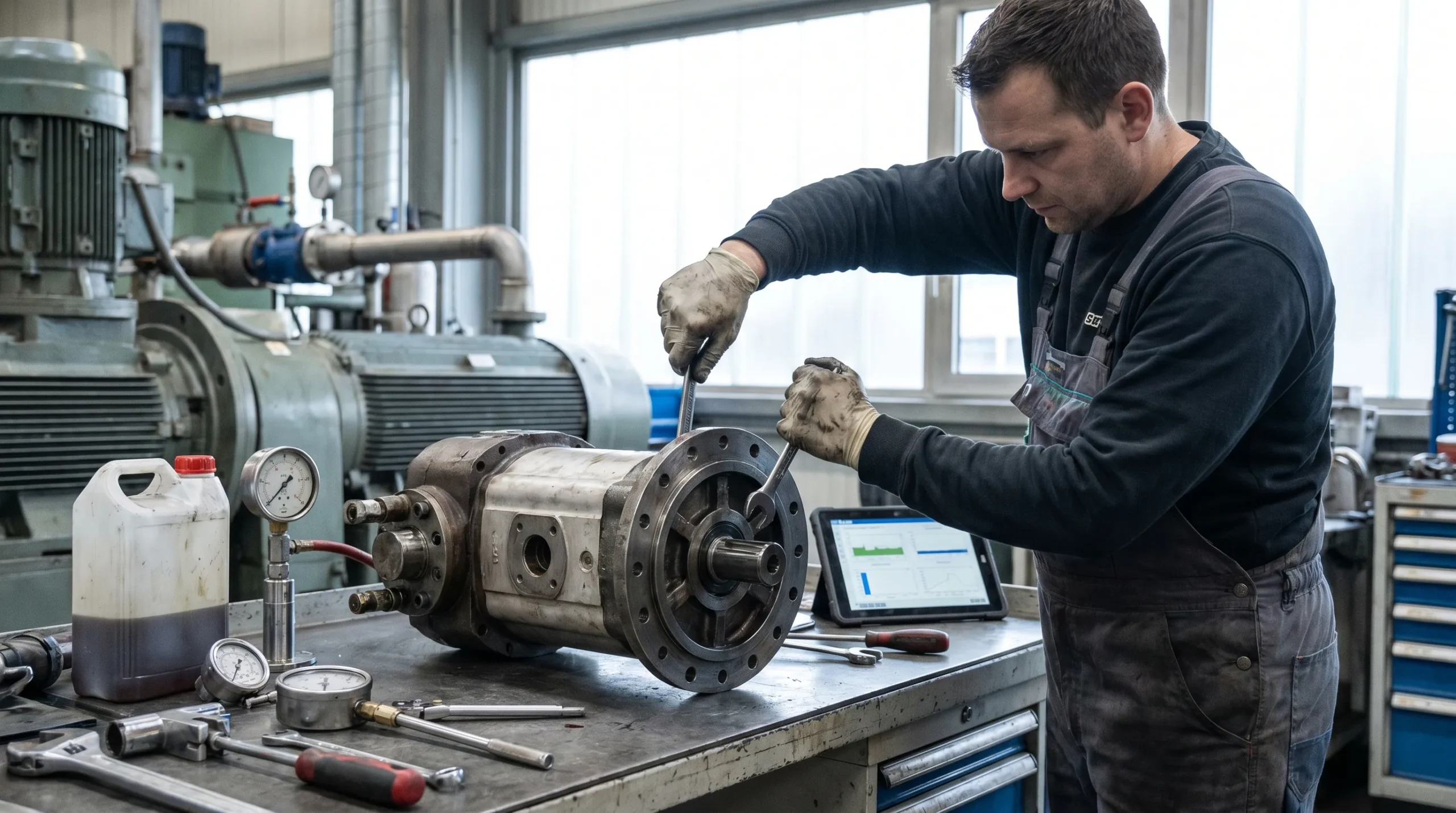
State the remedial action for excessive noise in hydraulic pump by first identifying the real cause of the sound, then correcting that cause with the right fix. In most cases, a noisy hydraulic pump is not the problem by itself. The noise is usually a warning sign of cavitation, aeration, suction line restriction, low reservoir fluid level, wrong hydraulic oil viscosity, shaft misalignment, vibration, or internal wear such as bearing wear, gear wear, or piston damage. Current maintenance guidance across industrial sources consistently points to these fault patterns as the main reasons a hydraulic pump becomes abnormally loud.
A good repair approach starts with a simple question: What kind of noise are you hearing? A high-pitched whining noise often suggests cavitation. A rough, knocking, bubble-like sound usually points to aeration or air entrainment. A harsher grinding noise can indicate mechanical wear or metal-to-metal contact inside the pump. Once you match the noise to the likely cause, the remedial action becomes much clearer.
Quick Answer: Remedial Actions for Excessive Noise in a Hydraulic Pump
The fastest answer is this: if a hydraulic pump is making excessive noise, inspect the suction side, check the oil level, verify the fluid viscosity, look for air leaks, confirm the pump RPM, inspect shaft alignment, and examine the pump for bearing wear or internal damage.
If the problem is cavitation, the remedial action is to remove suction restrictions, clean or replace clogged inlet strainers, increase inlet line size, and reduce pump speed if needed. If the problem is aeration, the remedial action is to seal leaking suction connections, replace bad shaft seals or gaskets, maintain the correct reservoir oil level, and make sure the return line discharges below the fluid surface to reduce foaming. If the problem is mechanical wear, the remedial action is to inspect and replace worn bearings, gears, vanes, cam rings, or pistons. If the noise comes from vibration or structure-borne noise, fix misalignment, tighten the mounting, and use flexible connections or rubber mounting blocks where appropriate. These corrective themes are repeated across the major competitor pages and technical writeups on hydraulic noise troubleshooting.
What Excessive Noise in a Hydraulic Pump Usually Means
A healthy pump will always produce some operating sound. But abnormal hydraulic pump noise means something in the system is no longer working under the right conditions. That is why hydraulic pump noise troubleshooting should focus on the root cause analysis, not just sound reduction.
In many systems, there are three types of noise working together: airborne noise, fluid-borne noise, and structure-borne noise. A pump may be the original source, but the sound can travel through hoses, tubing, the tank lid, or the machine frame. This is why some pumps seem louder than they really are. The pump creates pressure pulsations, the fluid carries those pulsations, and the surrounding structure amplifies them into a much bigger noise problem.
That matters because the remedial action for excessive noise in hydraulic pump systems is not always “replace the pump.” Sometimes the pump is fine, but the machine has a restricted suction line, a loose fitting, a collapsed hose, a misaligned coupling, or a bad mounting arrangement that turns normal vibration into major noise.
Main Causes of Excessive Hydraulic Pump Noise
1. Cavitation
Cavitation happens when the pump inlet does not get enough fluid. This creates vapor bubbles that collapse under pressure and damage internal parts. It often sounds like a sharp whining noise or a rough rattling sound. Common causes include a clogged suction strainer, undersized suction line, high fluid viscosity, cold starts, or excessive pump speed. Technical guidance repeatedly notes that poor inlet conditions and high restriction are the classic causes of pump cavitation.
2. Aeration
Aeration or air entrainment occurs when outside air enters the fluid, usually through vacuum leaks, bad shaft seals, loose suction connections, or return-line turbulence in the reservoir. It often sounds like a knocking or crackling noise, and the fluid may appear foamy. The pump may still move oil, but performance becomes unstable and damage can follow.
3. Suction Line Restriction
A restricted inlet line creates starvation at the pump. Dirty filters, blocked inlet strainers, long suction runs, sharp elbows, or a line that is too small all increase friction losses and reduce available flow. This directly raises the risk of cavitation, increased flow velocity, and excessive noise.
4. Wrong Hydraulic Oil Viscosity
If the oil is too thick during a cold start, the pump may struggle to draw it through the inlet, creating noise. If the oil is too thin at high temperature, it may not lubricate internal parts properly. Several sources recommend verifying that fluid viscosity matches operating temperature before replacing any major component.
5. Pump Overspeed
Running a pump beyond its recommended speed increases inlet demand and worsens suction problems. Some sources compare 1200 RPM and 1800 RPM motor arrangements and note that lower speed operation can significantly reduce noise, in some cases by up to 5 dBA.
6. Shaft Misalignment and Vibration
A bad coupling, worn insert, or poor laser shaft alignment can create vibration, structure-borne noise, and premature bearing wear. Even when the hydraulic side is healthy, a misaligned motor-pump assembly can sound rough and unstable.
7. Internal Wear
When a pump has worn bearings, gears, vanes, pistons, or cam rings, the noise becomes more mechanical. This is when you may hear grinding, knocking under load, or signs of internal leakage and shaft deflection. If noise intensifies with system load, wear is a strong possibility.
Remedial Action by Cause: What to Do for Each Type of Noise
The best hydraulic pump noise symptom-to-cause table is a practical one. Use this as your first-pass troubleshooting guide.
| Noise symptom | Likely cause | What to inspect | Remedial action |
| High-pitched whining | Cavitation | Suction lines, inlet strainer, pump RPM, oil viscosity | Clean strainer, increase inlet size, reduce RPM, warm oil, remove restrictions |
| Knocking / crackling | Aeration | Suction fittings, shaft seals, return line, foamy reservoir fluid | Seal leaks, replace seals, keep oil level correct, submerge return line |
| Grinding noise | Mechanical wear | Bearings, gears, pistons, cam rings | Inspect and replace worn parts, rebuild or replace pump if needed |
| Heavy vibration / drumming | Misalignment / structure-borne noise | Coupling, mounts, bolts, base, sound bridges | Realign shafts, tighten mounts, use flexible connections, isolate vibration |
Remedy for Cavitation Noise
If the noise is caused by cavitation, start with the suction side. Clean the inlet strainer and inspect whether the mesh is appropriate. One competitor specifically mentions 100–150 microns as a typical strainer range for inlet service. Then inspect the suction vacuum condition, look for a collapsed suction hose, confirm that the line is not undersized, and reduce bends or sharp fittings where possible. If the pump is overspeeding, lower the pump RPM. Also confirm the oil is suitable for the current temperature because thick oil during a cold start can starve the inlet.
Remedy for Aeration Noise
If the sound points to aeration, inspect all suction-side joints for vacuum leaks. Tighten the fittings, replace faulty gaskets, use the proper thread sealant, and inspect the shaft seals. Then check the reservoir. A low fluid level or poor return-line arrangement can churn the oil and create foam. Extending the return line below the fluid surface helps reduce agitation and promotes air release.
Remedy for Mechanical Wear Noise
If the pump has bearing noise or obvious wear, mechanical repair is the real fix. A stethoscope inspection for pump bearings can help isolate the problem. Check for rough rotation, excessive end play, and noise that rises with load. For a gear pump, inspect gear tooth condition. For a vane pump, look at vanes and cam rings. For a piston pump, inspect pistons, shoes, and internal running surfaces. At this point, the best answer may be pump overhaul, rebuild, or full replacement.
Remedy for Vibration and Resonance
When the pump itself is not failing but the machine is loud, shift attention to noise, vibration, and harshness. Recheck mounting bolts, alignment, foundation looseness, and coupling condition. Add flexible connections where possible and eliminate rigid sound bridges between the power unit and the structure. Technical articles on hydraulic system noise emphasize that rubber mounting blocks and flexible hose sections can reduce transmission of vibration through the structure.
How to Diagnose Cavitation vs Aeration vs Mechanical Noise
A smart technician listens first, then tests. Cavitation often creates a sharper whine and is closely tied to inlet starvation. Aeration sounds more random and bubbly, and it often comes with foamy reservoir fluid. Mechanical wear is usually harsher and more metallic.
One practical rule is this: if the oil is foamy and the system has suction leaks, suspect aeration. If the suction line is restricted, the oil is cold or too viscous, and the pump is running fast, suspect cavitation. If the sound grows worse with load and does not change much after suction corrections, suspect internal wear.
This is where a hydraulic pump noise diagnosis checklist helps. Check oil level, observe the reservoir, inspect the inlet line, test suction condition, confirm speed, examine alignment, and then inspect the pump mechanically. That step-by-step approach is stronger than guessing based on sound alone.
Step-by-Step Hydraulic Pump Noise Inspection Checklist
A good step-by-step remedial action for hydraulic pump noise follows a logical order:
First, check the reservoir oil level. Second, inspect oil condition for contamination or foam. Third, inspect the suction line for restrictions, collapsed hose walls, loose fittings, and poor routing. Fourth, check the filters and inlet strainers. Fifth, listen carefully to identify whether the noise is whining, grinding, or knocking. Sixth, verify pump speed and motor condition. Seventh, inspect shaft alignment, coupling wear, and mounting stability. Eighth, look for bearing wear and other internal damage signs. Ninth, confirm whether the issue is hydraulic, mechanical, or structural. Tenth, decide whether you need a simple correction, a repair, or a rebuild.
This kind of checklist is a major content gap competitors rarely present clearly, and it makes the article far more useful for maintenance teams, students, and workshop technicians.
Testing Methods That Help Confirm the Root Cause
A few simple tests can turn guesswork into proper condition monitoring.
A suction vacuum test helps detect inlet restriction. A pressure gauge test for hydraulic pump noise helps show unstable discharge behavior and pressure pulsations. A flow meter test can reveal performance loss tied to wear. In a case drain flow test, excessive case flow can suggest internal leakage and wear in certain pump types. A laser shaft alignment check confirms whether vibration is coming from poor alignment rather than fluid issues. And a mechanic’s stethoscope can help isolate bad bearings.
Competitors talk a lot about causes and remedies, but these confirmation methods are one of the strongest gap keywords because they add real diagnostic value.
Hydraulic Pump Noise Remedies by Pump Type
A gear pump often becomes noisy because of gear wear, suction starvation, or contamination. The remedial action is to clean the inlet path, verify oil condition, inspect gears, and rebuild or replace the pump if tooth wear is advanced.
A vane pump is sensitive to dirty oil, wear in the cam ring, and poor lubrication. The remedial action includes correcting viscosity, improving cleanliness, inspecting the vane set, and replacing worn internal parts.
A piston pump may produce noise from aeration, case leakage, worn pistons, or poor inlet conditions. The remedial action includes testing case drain flow, checking the suction side, confirming fluid condition, and inspecting the piston group if performance has dropped.
This section supports broader search terms like remedies for excessive noise in gear pump, remedies for excessive noise in vane pump, and remedies for excessive noise in piston pump.
How to Prevent Excessive Noise in Hydraulic Pumps
The best long-term strategy is preventive maintenance. Keep the oil clean, monitor fluid viscosity, use the right line sizing, maintain the right oil level, inspect seals, and do not ignore minor vibration. Competitors repeatedly recommend routine maintenance, but a stronger framework is predictive maintenance, contamination control, and ISO cleanliness code awareness.
There is also a workplace angle. One cited source notes that OSHA noise exposure limits include 90 dBA over an 8 hour shift, and 115 dBA for 15 minutes or less. Another source references 22 million workers exposed to hazardous noise and $1.5 million in penalties. Those figures help explain why hydraulic noise control is not only a maintenance issue, but also a safety and compliance issue.
A useful principle here is: the quieter system is usually the healthier system.
“The pump is the dominant source of noise in hydraulic systems.”
That is why noise prevention should begin with the pump inlet, fluid condition, alignment, and vibration control.
When to Repair, Rebuild, or Replace the Hydraulic Pump
Not every noisy pump needs replacement. If the problem is cavitation, aeration, or poor installation, the pump may become quiet again after correction. But if the pump has sustained internal damage, repeated noise after fixes, severe bearing wear, or major performance loss, a pump overhaul or replacement becomes more realistic.
A simple rule works well. Repair supporting issues first. If the noise disappears, the pump was probably not the main failure. If the noise remains and test results show wear, then compare pump replacement vs repair based on cost, downtime, and expected equipment longevity.
Common Mistakes to Avoid When Fixing Hydraulic Pump Noise
One of the biggest mistakes is replacing the pump before checking the suction side. Another is confusing aeration with cavitation. People also overlook cold oil startup noise, hot oil hydraulic pump noise, or the effect of the wrong hydraulic oil viscosity.
Other common mistakes include ignoring mounting bolt torque, skipping alignment checks, assuming a new filter solved the issue, and failing to inspect the reservoir for foaming and return-line agitation. Good root cause analysis for hydraulic pump noise prevents repeat failure.
FAQ: State the Remedial Action for Excessive Noise in Hydraulic Pump
What is the most common cause of hydraulic pump noise?
The most common cause is usually cavitation, especially when there is a suction restriction, wrong viscosity, or excessive speed.
Can low hydraulic oil cause pump noise?
Yes. A low oil level can worsen aeration, increase return-line agitation, and reduce stable inlet conditions.
How do I know if the noise is cavitation or aeration?
If the oil looks foamy and air is entering through leaks, suspect aeration. If the inlet is restricted and the pump sounds like it is starving for oil, suspect cavitation.
Can a worn bearing make a hydraulic pump noisy?
Yes. Bearing wear often creates a more mechanical grinding or rough rotational sound, especially under load.
Should I repair or replace a noisy hydraulic pump?
Repair installation, suction, seal, and oil issues first. Replace or rebuild the pump when wear is confirmed and noise remains after corrections.
Final Takeaway
The best answer to state the remedial action for excessive noise in hydraulic pump is simple: do not treat the sound as a single problem. Treat it as a symptom. Check for cavitation, aeration, suction line restriction, wrong fluid viscosity, misalignment, vibration, and internal wear. Then match the remedial action to the cause.
In most systems, the right fix is not complicated. Clean the inlet, seal the leaks, correct the oil level, verify the viscosity, reduce pump RPM if needed, improve alignment, and replace worn parts only when inspection proves they are damaged. That approach gives you the most reliable solution, the least wasted cost, and the best chance of restoring a quiet hydraulic system.
Disclaimer:
This article is for general informational and educational purposes only and should not be considered professional engineering, hydraulic, or maintenance advice. Hydraulic pump noise can result from different mechanical or fluid-related issues, and proper diagnosis should be performed by a qualified technician before repair or replacement. Always follow manufacturer guidelines, workplace safety standards, and equipment specifications when inspecting, troubleshooting, or servicing hydraulic systems.