
 By adnanshabbir942@gmail.com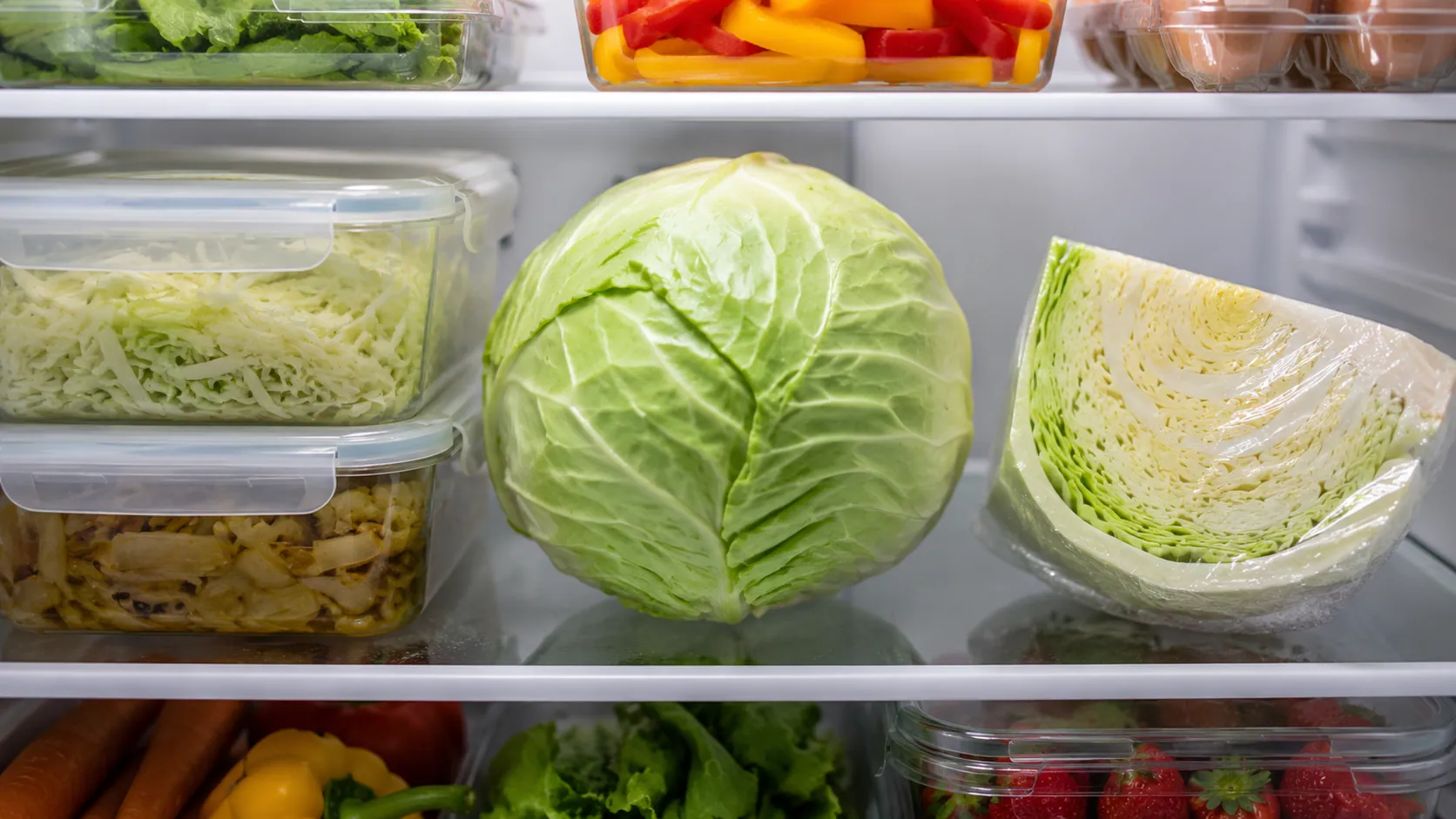
How long does cabbage last in the fridge? In most home kitchens, a whole head of cabbage keeps its quality for about 2 to 3 weeks, and sometimes longer under very good storage conditions, while cut cabbage is usually best within 2 to 5 days. Cooked cabbage follows general leftover guidance and is usually best within 3 to 4 days, though some cabbage-focused sources say 3 to 5 days if refrigerated promptly in an airtight container.
That quick answer helps, but the real story depends on whether the cabbage is whole, cut, shredded, cooked, or frozen, how cold your fridge stays, and whether you are judging quality or food safety. A fresh, dense cabbage stored properly in the crisper drawer can outlast many other vegetables, which is why it is often considered a long-lasting veggie for meal prep and reducing food waste. Once it is cut, though, the exposed surface starts losing moisture, picking up odors, and spoiling faster.
In this guide, you will get a clear cabbage shelf life chart, storage tips for whole cabbage, shredded cabbage, and cooked cabbage, plus a simple way to tell whether your cabbage is still fine to use or ready for the trash.
Quick Answer: Cabbage Shelf Life Chart
Here is the simplest way to compare raw vs cooked cabbage shelf life:
| Type of cabbage | Fridge life | Best storage method |
| Whole green or red cabbage | About 2–3 weeks | Store whole, dry, and unwashed in the crisper drawer |
| Whole cabbage in excellent conditions | Up to 1–2 months in some guidance | Keep cold and protected from excess moisture |
| Cut cabbage / half head | About 2–3 days, sometimes up to 5 days | Wrap tightly or store in an airtight container |
| Shredded cabbage | About 2–5 days | Use a sealed container or tightly closed bag |
| Pre-shredded cabbage | Use by the best-before date once unopened; after opening, use quickly | Keep in original packaging or reseal tightly |
| Cooked cabbage | 3–4 days by general leftover guidance; some cabbage-specific sources say 3–5 days | Refrigerate within 2 hours in an airtight container |
| Frozen cabbage | Best quality for about 10–12 months | Freeze in airtight freezer-safe packaging |
These ranges combine cabbage-specific sources with general food-safety guidance. The reason there is some variation is that one source focuses more on best quality, while official leftovers guidance focuses more on safe storage windows.
How Long Does Whole Cabbage Last in the Fridge?
A whole head of cabbage lasts the longest because the outer leaves protect the inner layers. If you bring home a firm, heavy cabbage and keep it dry in the refrigerator, it will usually hold up for around 2 to 3 weeks. Some produce-storage advice stretches that to 3–6 weeks or even 1 to 2 months under very cold, ideal conditions, especially for denser varieties.
That is why whole cabbage is one of the most practical vegetables for people who like meal prep, budget cooking, or buying produce in bulk. Compared with leafy greens that collapse after a few days, cabbage is naturally tougher. Its tightly packed leaves slow down moisture loss and spoilage.
To keep a whole cabbage fresh for as long as possible:
- store it unwashed
- keep it in the crisper drawer
- do not trap it in heavy moisture
- avoid bruising it
- keep your refrigerator at 40°F or below, ideally in the colder range used for produce storage
A useful rule of thumb is this: if the cabbage still feels firm, looks mostly crisp inside, and does not smell sour or rotten, it is probably still usable even if a few outer leaves look tired. That is different from a cut cabbage, which degrades much faster.
How Long Does Cut or Shredded Cabbage Last in the Fridge?
Once you cut cabbage, the clock speeds up. A half head of cabbage, chopped cabbage, or shredded cabbage is usually best within 2 to 3 days, though some sources allow up to 5 days if it is stored well in a sealed container and stays cold.
Why the shorter shelf life? Cutting exposes more of the cabbage to airflow, oxidation, and moisture loss. The cut edge starts drying out, the texture softens, and the vegetable becomes more vulnerable to spoilage. That is especially true for shredded cabbage, because the pieces are smaller and have more exposed surface area.
If you are wondering how long does cut cabbage last in the fridge, this is the most practical answer:
- half a cabbage or wedges: about 2–3 days
- shredded cabbage: about 2–5 days
- pre-shredded cabbage after opening: use as fast as possible and watch the best-before date, texture, and smell closely
The best container for cut cabbage is either plastic wrap pressed tightly over the cut side, or an airtight container that limits drying and odor transfer. If you leave cut cabbage exposed in the fridge, it loses that fresh crunch quickly.
This is also where many people get confused: quality and safety are not always identical. A cut cabbage might still be technically edible after a few days, but the texture may be dry, limp, or less appealing. For salads, slaws, and crunchy dishes, fresher is better.
How Long Does Cooked Cabbage Last in the Fridge?
Cooked cabbage should be treated like other cooked leftovers. The USDA’s general recommendation is that leftovers keep for 3 to 4 days in the refrigerator, and they should be refrigerated within 2 hours of cooking. Cabbage-specific sources often say 3 to 5 days for cooked cabbage in an airtight container.
That means if you made:
- sautéed cabbage
- boiled cabbage
- braised cabbage
- cabbage soup
- cabbage rolls
you should cool it promptly, seal it well, and plan to eat it within a few days. Mixed dishes such as cabbage rolls are often given a slightly tighter range, around 3 to 4 days.
This matters because cooked vegetables sit in the food-safety zone differently than raw produce. Even if cooked cabbage still looks acceptable, it is not worth stretching it too long. A good, simple habit is to label leftovers with the date, especially if you batch cook.
One more tip: reheat only what you plan to eat. Repeated reheating and cooling does not help texture, and it is easier to track freshness when leftovers are handled less. General reheating advice also points to 165°F as the reheating temperature for leftovers.
How to Store Cabbage Properly So It Lasts Longer
If your goal is to make cabbage last longer, storage matters almost as much as the cabbage’s original freshness.
For a whole cabbage, keep it dry, unwashed, and in the crisper drawer. Some guidance suggests wrapping the cabbage tightly in plastic, while other produce-focused advice prefers a vented plastic bag or moisture-proof bag. The shared idea is simple: protect it from drying out, but do not let it sit wet.
For cut cabbage, wrap the cut side tightly with plastic wrap or place the pieces in an airtight container. For shredded cabbage, a sealed container or tightly closed bag works best.
Here are the storage habits that help the most:
- Do not wash cabbage before storing it. Extra moisture speeds spoilage. Wash it when you are ready to use it.
- Keep it in the coldest practical part of the fridge for produce, often the crisper drawer.
- Keep it away from ethylene gas producers like apples, bananas, avocados, and pears, because these can speed ripening and breakdown in nearby produce.
- Do not seal wet cabbage into a container. Excess moisture encourages spoilage.
- Keep your refrigerator at 40°F or below.
A small but useful kitchen trick: if cabbage is a little wilted but not spoiled, some storage advice suggests soaking leaves briefly in ice water or trimming the stem and rehydrating certain dense types. That can improve texture, though it will not rescue cabbage that is already rotten.
How to Tell If Cabbage Has Gone Bad
This is where many people need confidence. A cabbage with a tired outer leaf or two is not the same as a spoiled cabbage.
Watch for these signs that cabbage is bad:
- slimy surface
- soft or mushy leaves
- clear discoloration, especially spreading dark spots
- mold growth
- a strong sour smell or rotten odor
- excessive leakage or wetness inside the container
Some changes are minor and manageable. If a whole cabbage has a few wilted or browned outer leaves, you can often peel them off and use the crisp center. But if the interior is soft, gray, moldy, or smells unpleasant, it is time to throw it out.
A practical decision guide looks like this:
| What you see | Usually okay? | What to do |
| Dry outer leaf, small brown patch | Often yes | Remove the outer layer |
| Slight wilting but no bad odor | Maybe | Use soon in cooked dishes |
| Slimy texture | No | Discard |
| Mold | No | Discard |
| Sour or rotten smell | No | Discard |
| Interior leaves still crisp and clean | Yes | Trim outer leaves and use |
This is one of the biggest gaps on many competitor pages. They mention spoilage signs, but readers often need a stronger answer to the real question: Should I trim this, cook it, or toss it?
Does the Type of Cabbage Matter?
Yes, it does. Dense cabbages generally last longer than softer, leafier ones.
Green cabbage and red cabbage are usually the longest-lasting because the heads are tight and firm. Savoy cabbage is looser and more delicate, so it often loses quality faster. Napa cabbage, also called Chinese cabbage or sui choy, is especially tender and often lasts only around 4 to 5 days in the fridge according to one cabbage-specific storage guide.
That means a broad answer like “cabbage lasts 2 to 3 weeks” is only fully true for the sturdier types, especially when the head is whole. If you are buying cabbage specifically for longer storage, green and red cabbage are usually the safest bets. If you are buying Napa cabbage for stir-fry, soup, or dumplings, plan to use it sooner.
This variety difference is also useful for SEO because many pages mention it briefly but do not build a strong comparison around it. Readers appreciate knowing that not all cabbage behaves the same way in the refrigerator.
Can You Freeze Cabbage?
Yes, you can freeze cabbage, and it is a smart way to reduce waste if you bought more than you can use in time. General cold-storage guidance says frozen foods kept continuously at 0°F (-18°C) remain safe indefinitely, though quality declines over time. Cabbage-specific sources commonly recommend using frozen cabbage within 10–12 months for best quality.
You can freeze:
- raw cabbage
- blanched cabbage
- shredded cabbage
- cooked cabbage
The tradeoff is texture. Frozen cabbage usually works best in soups, stir-fries, braises, and other cooked dishes. It usually will not come back with the same crisp texture you want for fresh slaw or salad. Southern Living’s freezing guidance notes that blanching can help preserve texture better for longer storage, especially beyond a couple of months.
If you want the best results, freeze it in portions you will actually use. Press out extra air, use a freezer bag or other airtight packaging, and label the date.
Common Mistakes That Make Cabbage Go Bad Faster
A lot of cabbage waste comes from a few very fixable mistakes.
The first is washing cabbage before storage. Water left on the leaves can speed spoilage. The second is storing cut cabbage loosely, where the cut side dries out and the leaves absorb fridge odors. The third is forgetting that cabbage does not like to sit beside ethylene gas-producing fruits such as apples and bananas.
Another common mistake is using the warmest part of the refrigerator. If cabbage gets tucked into the door or front edge where temperatures fluctuate, it will not hold quality as long. Cold, steady storage matters.
And for cooked cabbage, the biggest mistake is slow cooling. The USDA says leftovers should be refrigerated within 2 hours, and shallow containers help them cool more quickly.
If you remember only one line from this section, let it be this: keep cabbage dry, cold, and protected from air once cut.
A Simple Real-Life Example
Imagine you buy one whole green cabbage on Sunday.
If you leave it whole in the crisper drawer, it may still be in good shape two weeks later. But if you cut it in half on Monday for tacos, the remaining half is best used by around Wednesday or Thursday. And if you shred the other half for slaw, that shredded cabbage is even more time-sensitive and should be used quickly for the best crunch. If you then cook the leftovers, the cooked cabbage becomes a standard leftover and should usually be eaten within 3 to 4 days.
That one example explains why people see different answers online. They are not always talking about the same form of cabbage.
Frequently Asked Questions
How long does cabbage last in the fridge after cutting?
Usually 2 to 3 days, though some guidance allows up to 5 days if it is stored tightly wrapped or in an airtight container.
Is cabbage still good after 2 weeks?
A whole cabbage often can be, especially if it is firm and has been stored properly. A cut cabbage usually will not be at its best that long.
Can you eat cabbage with brown outer leaves?
Often yes, if only the outer leaves are affected and the inside still looks fresh, crisp, and smells normal. But do not keep it if there is slime, mold, or a sour smell.
How long does cooked cabbage last in the fridge?
Usually 3 to 4 days by general leftover guidance, and some cabbage-specific sources say 3 to 5 days. Refrigerate it within 2 hours after cooking.
Can you freeze cabbage after cutting it?
Yes. It freezes best for cooked dishes, and quality is usually best within 10–12 months.
Should cabbage be washed before storing?
No. It is better to store cabbage dry and wash it when you are ready to use it.
Final Takeaway
If you want the shortest possible answer to how long does cabbage last in the fridge, here it is: a whole cabbage usually keeps for about 2 to 3 weeks, sometimes longer, while cut or shredded cabbage is best within 2 to 5 days, and cooked cabbage should generally be used within 3 to 4 days, or up to 3 to 5 days in some cabbage-specific guidance if stored correctly.
The biggest keys are simple: store cabbage cold, dry, and protected from air once cut. Use your senses along with the calendar. A few tired outer leaves are not a disaster, but slime, mold, and sour odor are clear signs it is time to toss it.
Disclaimer: This article is for general informational and food-storage guidance only and should not replace professional food safety advice. Storage times for cabbage may vary depending on freshness, refrigerator temperature, preparation method, and handling practices. Always use your judgment and discard cabbage that shows spoilage signs like slime, mold, or sour odor.